by Suzanne Holloway | Nov 21, 2025
When people talk about credit, they are referring to their credit history. Credit history describes how they have used money over time, which can significantly impact many aspects of life, including housing, employment, and finances, because landlords, lenders, insurance companies, and potential employers often review it when making decisions.
Three nationwide credit bureaus—TransUnion, Equifax, and Experian—collect credit history and additional information about individuals, such as names, addresses, Social Security numbers, credit cards, loans, and outstanding debts.
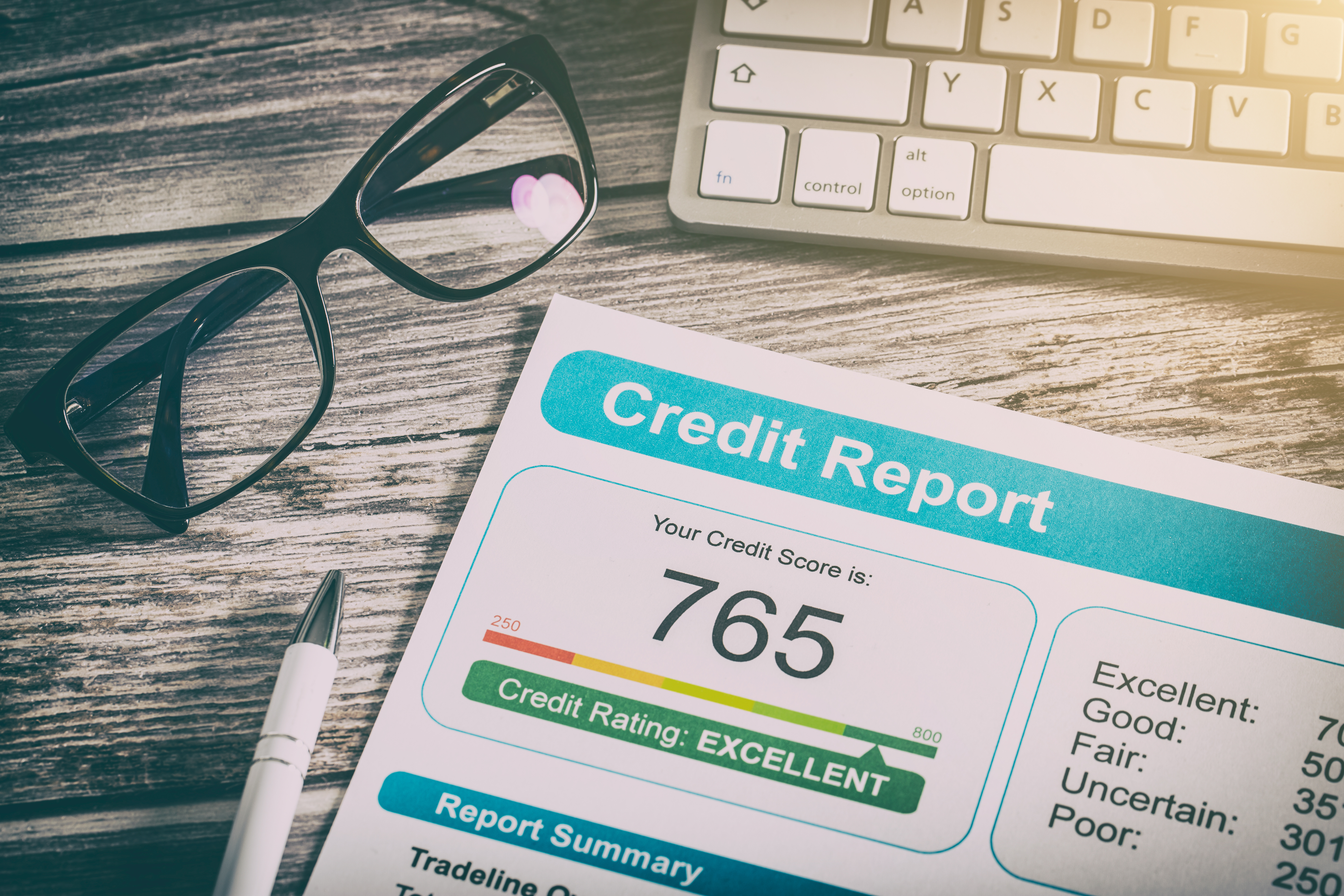
Credit Reports
© REDPIXEL / Adobe Stock
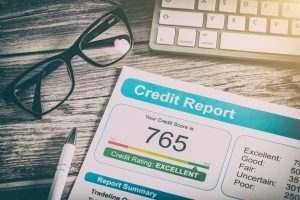
Credit bureaus provide credit reports to businesses that pay for this information to assess your reliability before working with you, like renting you an apartment or giving you a credit card. Whether your credit is considered “good” or “bad” depends on your history. People who pay bills on time and don’t borrow more than they can repay tend to have good credit, while those with late payments or debts they can’t afford may develop bad credit.
Each bureau gathers data from different sources, so your credit reports may vary slightly between them. Nonetheless, all three bureaus strive to keep their information accurate, but mistakes do happen, and checking your credit report for errors is important because inaccuracies can affect your opportunities. Accessing your credit report can also help spot signs of identity theft. You can order a free annual credit report from a centralized provider. To order your report, these are your options:
If you find errors in your report, you have the right to dispute them and seek corrections.
Credit Scores
A credit score is a number, usually between 300 and 850, that helps predict the likelihood and timeliness of loan repayment and other payments. Lenders, landlords, and other businesses use your credit score to decide whether to offer you credit and what terms, such as interest rates, you’ll receive.
In general, a higher score shows you have “good” credit, making you a lower financial risk, while a lower score signals “bad” credit, which can make it harder to get approved or result in higher interest rates. Credit scores are grouped into five ranges: poor (300–579), fair (580–669), good (670–739), very good (740–799), and exceptional (800–850). About 71% of Americans have a good FICO score or better. You can improve your credit score over time with consistent effort; it’s entirely possible.
Credit scoring systems are calculated in different ways. Most lenders use the Fair Isaac Corporation (FICO) score, which is based on five categories: payment history (35%), amounts owed (30%), length of credit history (15%), new credit (10%), and credit mix (10%).
Credit Tools & Resources
Unlike credit reports, you usually have to pay to see your official credit score, although some mobile apps now offer it for free.
- Experian offers a free FICO 8 credit score, credit report, credit monitoring alerts, dark web surveillance, and a privacy scan, with additional features available on paid plans.
- Credit Karma provides free daily credit reports and VantageScores from Equifax and TransUnion, credit analysis and tips, and basic identity monitoring.
- Credit Sesame gives free daily VantageScore updates from TransUnion, insights into key credit factors, and a score simulator, with more features on paid plans.
Furthermore, some financial institutions also let you see your score; always verify whether any credit monitoring fees apply.
Additional Resources
Getting a Credit Card (FTC)
An Equal Opportunity Institution.

by Kendra Hughson | Apr 10, 2019
Just like your home, finances need regular “cleaning” and maintenance. Plan time this spring to focus on financial tasks. A little time spent getting organized and reviewing your financial habits helps keep your financial goals on track.

Spring clean your finances by getting organized. Photo Credit: Kendra Zamojski
Get Organized
A good spring cleaning starts with getting organized. Sort through important papers. Decide what you need to keep and what can be shredded or tossed. File your important papers. If you don’t have a home filing system, now is a great time to set one up. With an organized filing system, you can locate important documents quickly and easily when needed. Use UF/IFAS Extension’s Financial Recordkeeping resource to know what to keep and what to toss.
Track Your Spending
Update your spending plan by reviewing your financial goals. Check your financial progress by tracking your spending. Where is your money going? Is your money going toward your goals? Get the whole family involved in recording expenditures for a month. Track expenses by writing down every expenditure on a piece of paper. Alternatively, find a box and place all your receipts in it, being sure to include any money spent even if you didn’t receive a receipt. At the end of the month, review your spending record and look for places where you can cut back. UF/IFAS Extension’s Building a Spending Plan: All Six Steps is a great tool to create or update your spending plan.
Review Your Credit Report
A good credit history saves money through lower interest rates and makes it easier to get credit when needed. Annually, review your credit report from each of the three major credit bureaus. By law, consumers are entitled to one free copy of their credit report every 12 months from Equifax, Experian, and TransUnion. Get free copies of your credit reports at www.annualcreditreport.com. Consider rotating through the three bureaus every few months so you can check your credit report throughout the year. Review your credit report for errors and fraudulent activity. Also, review any negative information that could impact your credit and credit score.
Credit scores are based on the information contained in your credit report. You can obtain your credit score from www.myfico.com for a fee. Many credit card companies offer free FICO scores through their online billing websites. Companies like Credit Karma and Credit Sesame offer free credit score estimates but these sites also include advertisements for financial and other products. Check out UF/IFAS Extension’s You and Your Credit Series.
Make your finances a part of your springtime cleaning routine. A little time spent getting organized and reviewing your spending plan and credit reports will go a long way toward keeping you on track toward your financial goals.
by Kristin Jackson | Nov 22, 2014
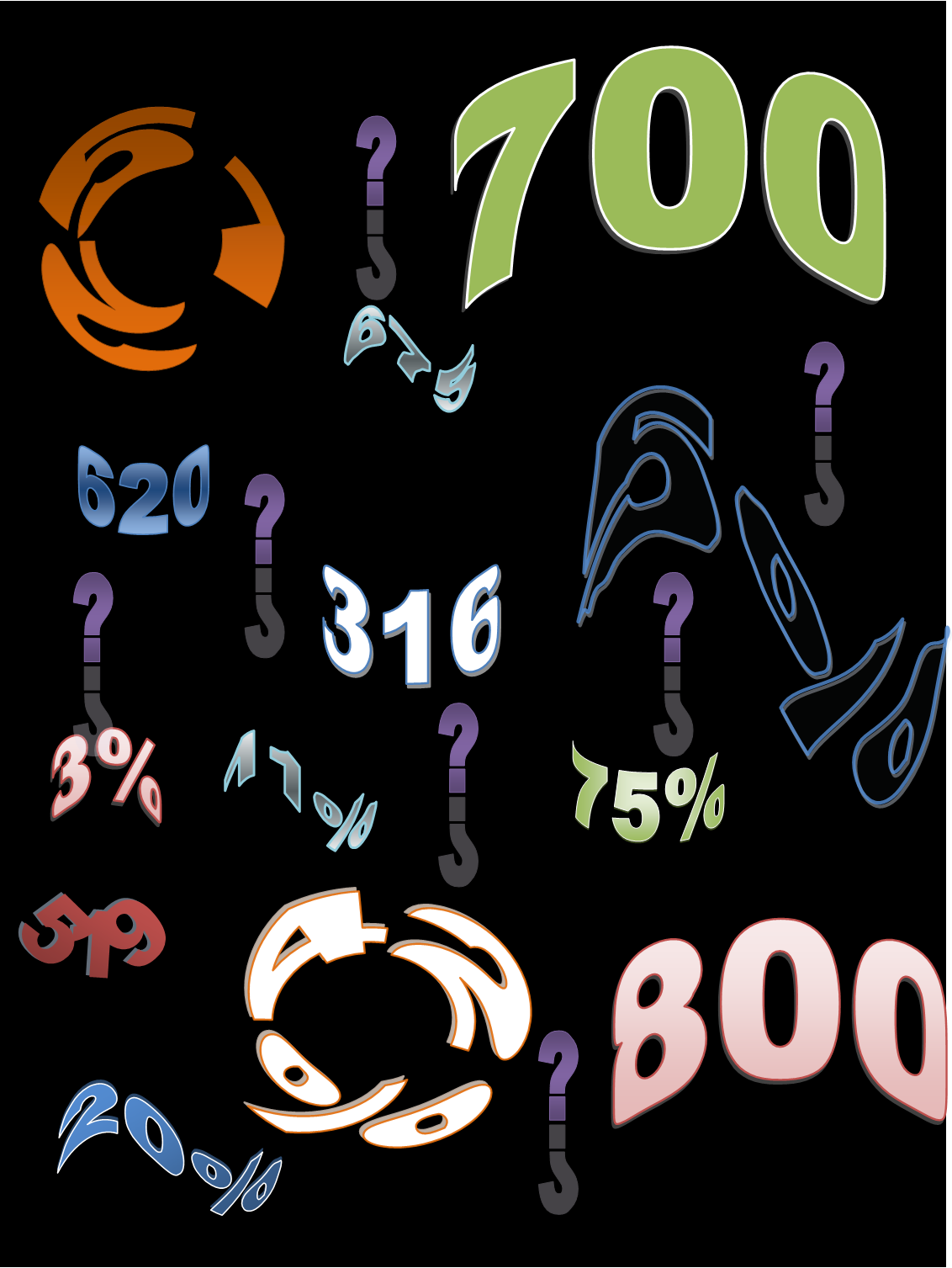
 When you go to the doctor for a physical your health care provider probably routinely records four important numbers as a base line indicator of your health. Your vital signs consist of your blood pressure, breaths per minute, pulse and temperature. There are important numbers when it comes to your financial health as well: your credit score, debt to income ratio and your savings rate.
Your Credit Score
Your credit score is used most frequently by lenders to evaluate the risk involved when loaning you money. With your consent, your credit score could also be used when considering you for employment, insurance or housing. The normal range for a credit score used by the Fair Isaac Corporation is 300-850, but the exact scoring method is determined by your lender. You can get a free copy of your credit report (the information by which your score is determined) if you are ever denied credit or by visiting https://www.annualcreditreport.com.
Your Income to Debt Ratio
Your debt to income ratio looks at the percentage of income that goes toward paying all recurring debt payments such as credit cards, car loans or even child support. You can calculate this ratio yourself by adding up all of your debts and dividing it by your income. The National Association of Credit Unions suggest that a debt ratio of 36% or less is ideal for most people.
Savings Rate
Your savings rate is the amount of personal income expressed as a percentage that you save. Your savings rate is another figure you can calculate yourself (Total dollars saved per month / total disposable income = savings rate). In, “How Much Should We Spend,” UF IFAS Extension publication FCS5229 the recommended savings rate for your general savings, your emergency fund and miscellaneous expenses is 2-20% of your income.
If you knew your numbers and they are above par then give yourself a pat on the back if you need more information that is no problem either. Contact your UF/IFAS Extension Family Consumer Science Agent (FCS) can meet with you or your small group and explain to you in more detail what each of these numbers are, where to find these numbers and provide you with the resources you need to know where you stand. You wouldn’t ignore your vital stats, so don’t neglect financial stats either. For more information contact your UF IFAS Extension office by visiting http://solutionsforyourlife.ufl.edu/map/ or contact UF IFAS Jefferson County Extension Agent, Kristin Jackson at 850-342-0187 or jefferson@ifas.ufl.edu.
Resources:
National Institutes of Health. (2014). Vital signs Retrieve 27 August from http://www.nlm.nih.gov/medlineplus/ency/article/002341.htm
Turnner, J. (2006). How Much Should I Spend? Retrieved 27 August from http://goo.gl/d29h5r
Credit Union National Association Inc.(2014). Debt to Income Ratio. Retrieved 27 August from http://hffo.cuna.org/12433/article/316/html