by Libbie Johnson | Sep 11, 2015
College football season has started, the weather is milder, and pretty soon, we will all smell cotton defoliant when driving past cotton fields. Throughout the Florida Panhandle, farmers are getting equipment ready for the harvest, and this is a good time to remind...
by Michael Donahoe | Aug 28, 2015
stinkbug damage – Ronald Smith, Auburn University, Bugwood.orgCotton is maturing rapidly across the Panhandle and it’s shaping up to be one of the earliest harvest seasons in recent years. This is due for the most part to the dry weather and the high number of...
by Doug Mayo | Aug 28, 2015
Don Shurley, University of Georgia Cotton Economist Here’s a scene from The Andy Griffith Show: AUNT BEE: Opie, you need to go next door and see Floyd about a haircut. OPIE: But Aunt Bee, those little hairs get down my neck and they itch like crazy. AUNT BEE: Well,...
by Doug Mayo | Aug 14, 2015
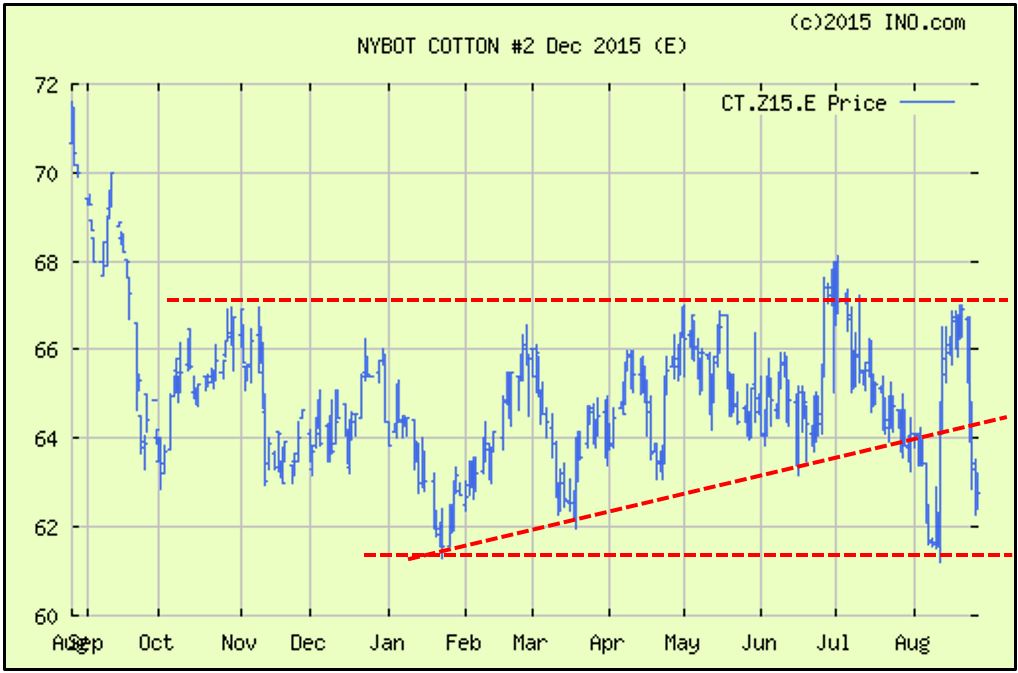
Don Shurley, University of Georgia The past few weeks have not been kind to cotton. Prices (Dec15 futures) have broken down through that important “trend of increasing support” line and have threatened to move lower. Some analysts believe we are headed to the upper...
by Joe Funderburk | Jul 17, 2015
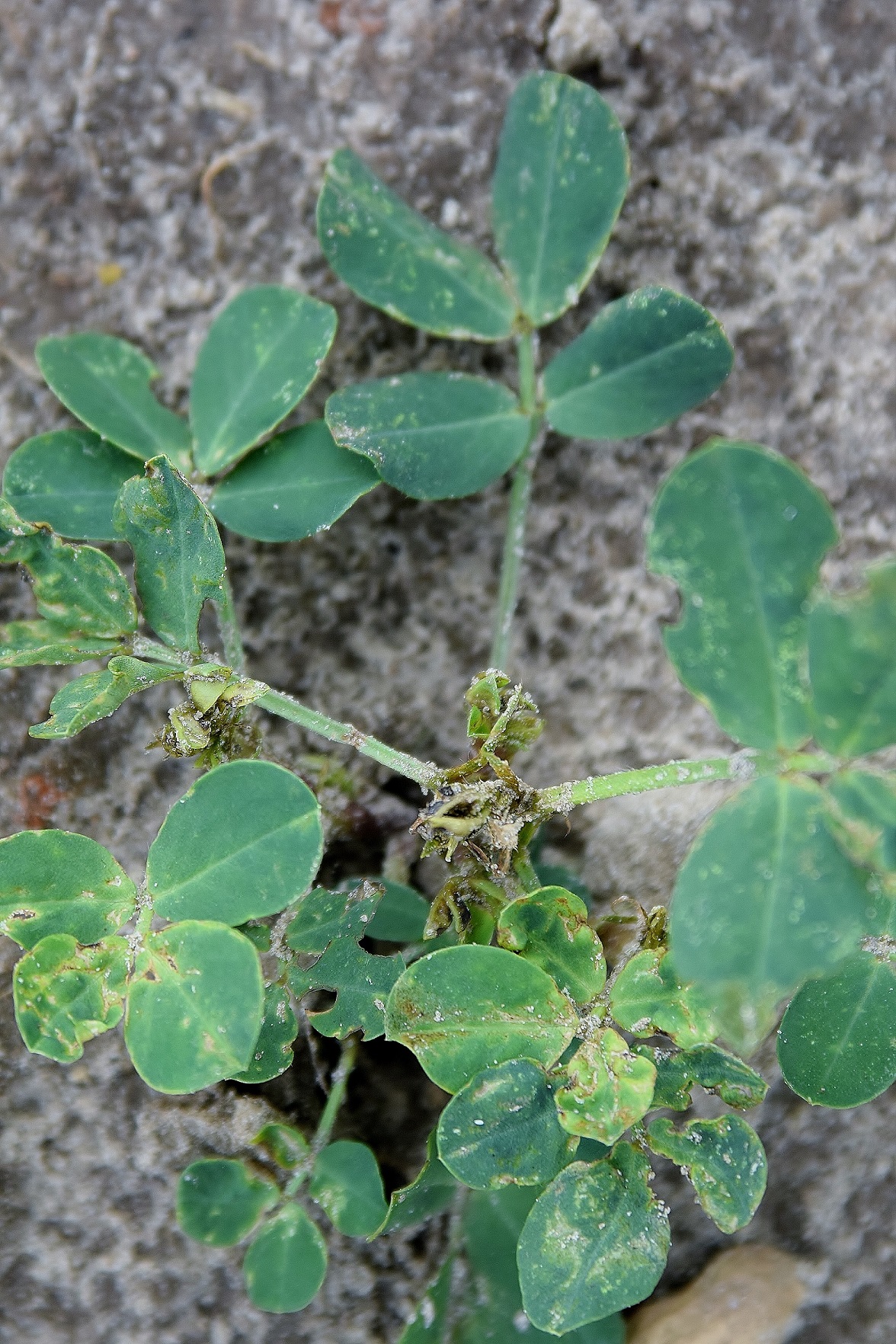
Monitoring to evaluate continued susceptibility of pests to pesticides is an important part of any pest management program. Thrips are known for their ability to develop resistance to insecticides. The western flower thrips, Frankliniella occidentalis, has developed...
by Michael Mulvaney | Jul 10, 2015
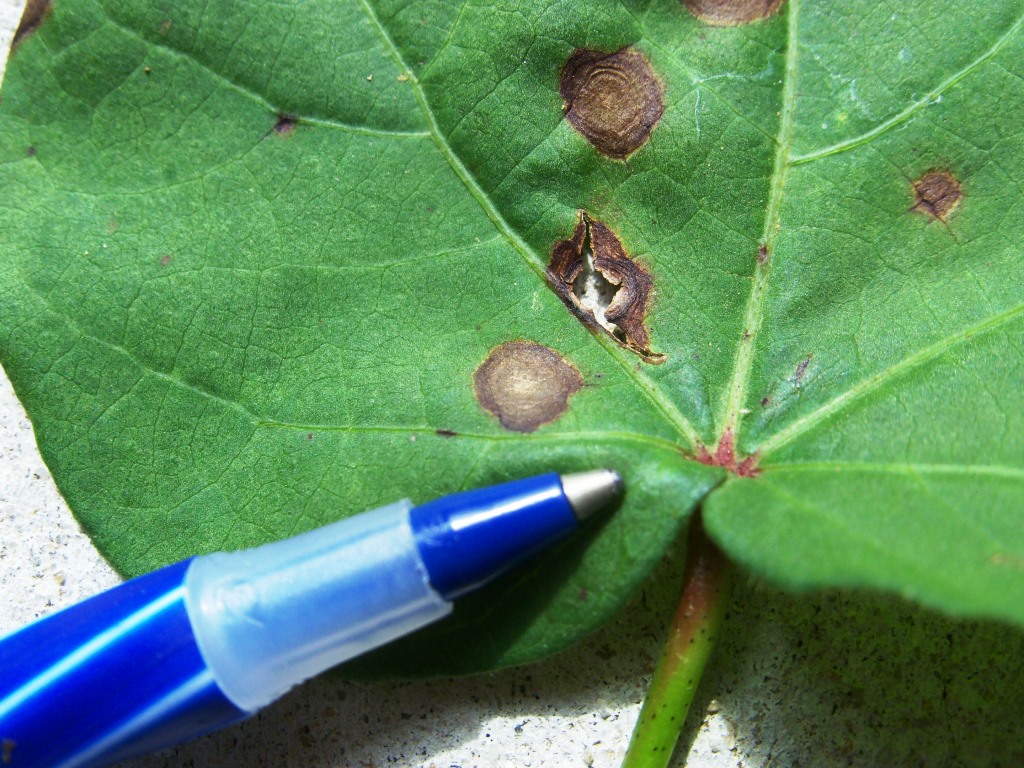
By: Dr. Michael J. Mulvaney (Cropping Systems Specialist, University of Florida, IFAS Extension, West Florida Research and Education Center, Jay, FL), Dr. Nicholas S. Dufault (Dept. of Plant Pathology, University of Florida, IFAS Extension, Gainesville, FL), Mike...
