by Ann Blount | Jul 13, 2018
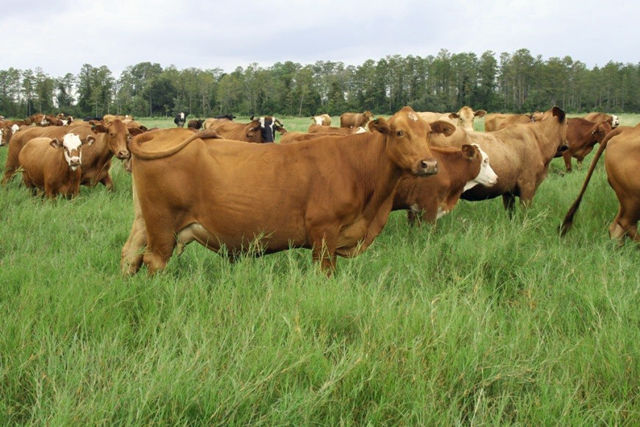
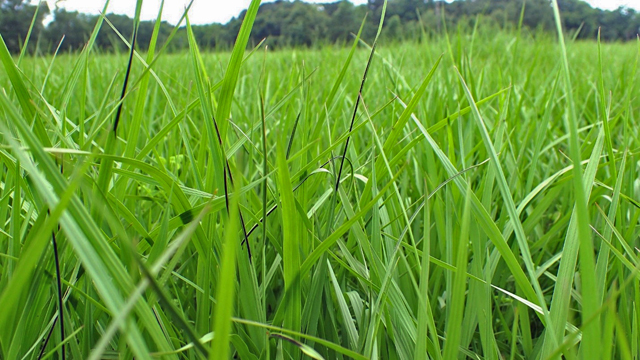
Ann Blount, Sunny Liao, Ko-Hsuan Chen, Marcello Wallau, Doug Mayo, Brittney Justesen and Clay Cooper Endophytes are naturally occurring organisms that often live in symbiosis internally in many of our forage species. Basically, endophytes are good for plants to...
by Cheryl Mackowiak | Jun 22, 2018
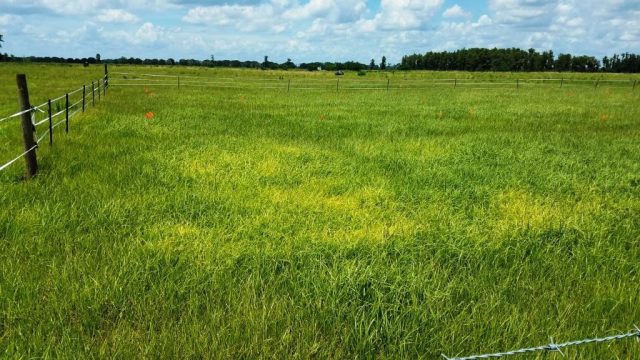
Cheryl Mackowiak, UF/IFAS Soil Fertility/Water Quality Specialist), Ann Blount, UF/IFAS Forage Breeding Specialist With the hot, humid and rainy return of summer, livestock producers can expect forage leaf and root diseases outbreaks in pastures. Some of our most...
by Kalyn Waters | May 25, 2018
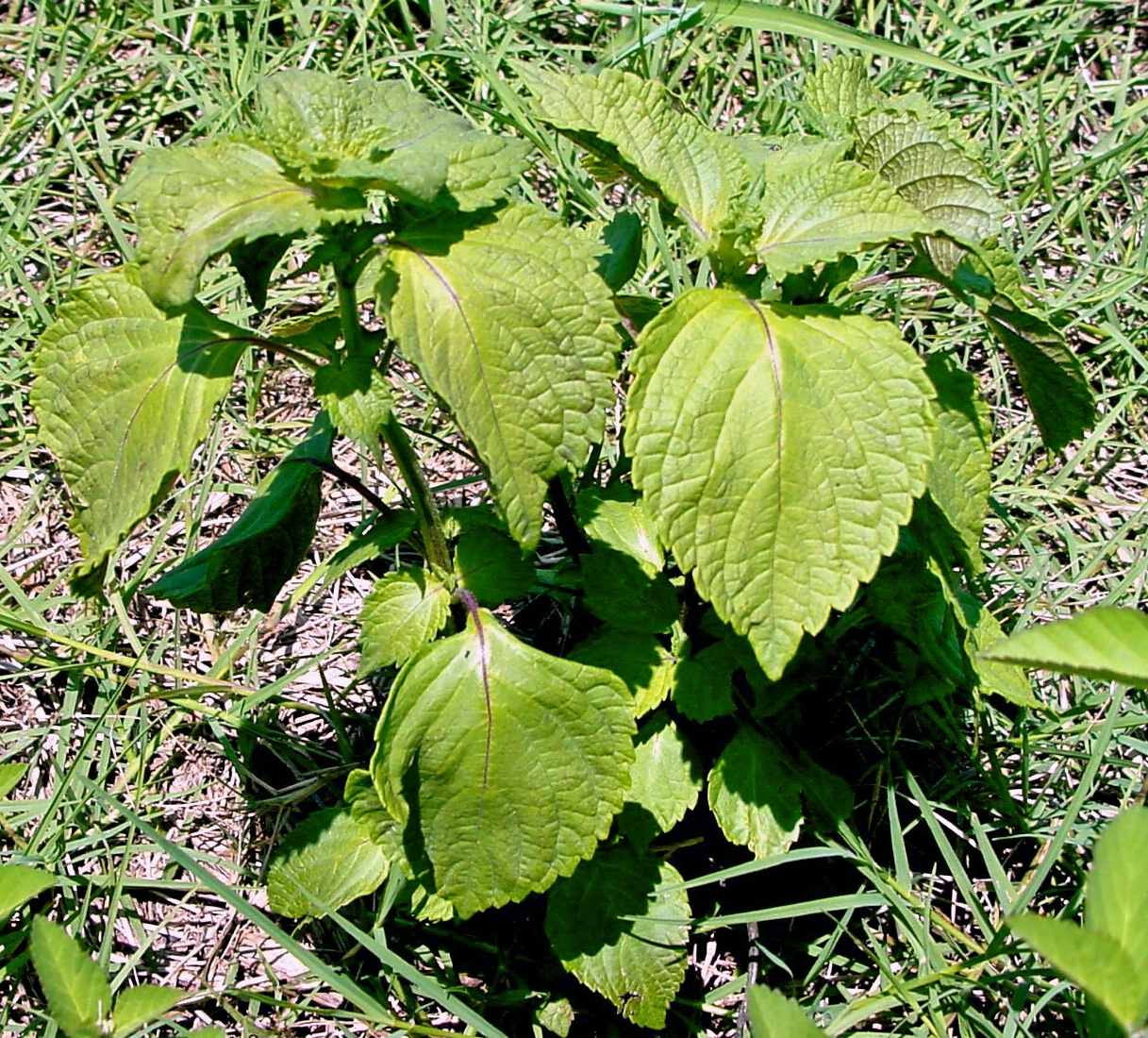
Perilla Mint is a toxic ornamental that has escaped from landscapes in the Southern U.S. and is now an established pasture weed. As a summer annual it grows in shaded areas up to a height of 2 feet tall. It is often identified by its purple shading on the undersides...
by Brent Sellers | May 18, 2018
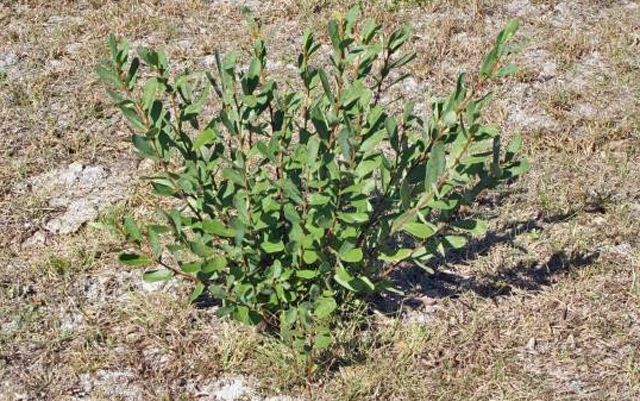
Pawpaws (Asimina spp.) are members of the custard family, and 10 species are known to occur in the state. Of these 10, fourpetal pawpaw (Asimina tetramera) is on the endangered species list, but this species is found primarily in coastal pine scrub habitats in Martin...
by Doug Mayo | May 11, 2018
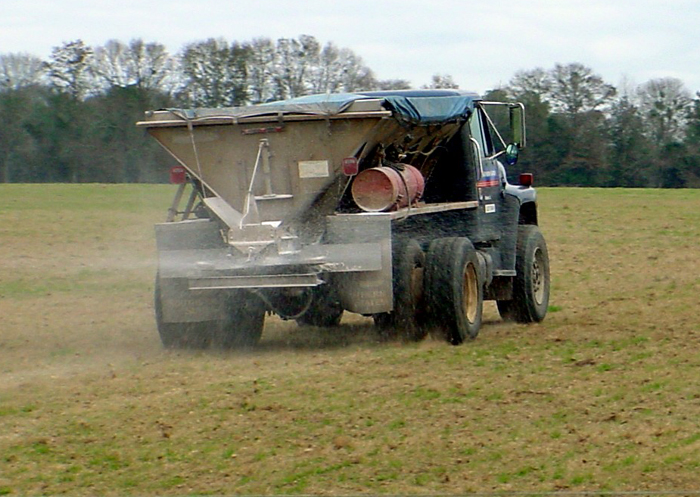
One area of management that often comes up in discussions with producers managing smaller herds is pasture fertilization. There are several aspects that can be confusing. The first questions are, “Should I fertilize?” and, “Is it worth the money?” The next...