by Libbie Johnson | Feb 3, 2017
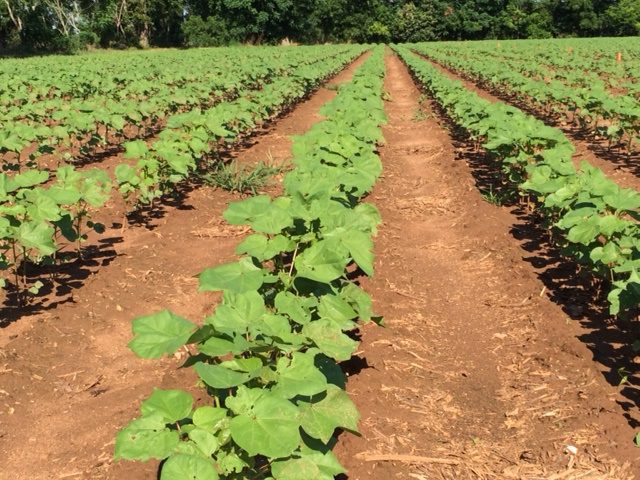
Alabama Cooperative Extension will offer training for anyone who will be applying auxin herbicides to dicamba or 2,4-D tolerant crops. While mandatory for Alabama farmers, Florida farmers can also attend these educational classes. See the table below for the date,...
by Doug Mayo | Jan 20, 2017
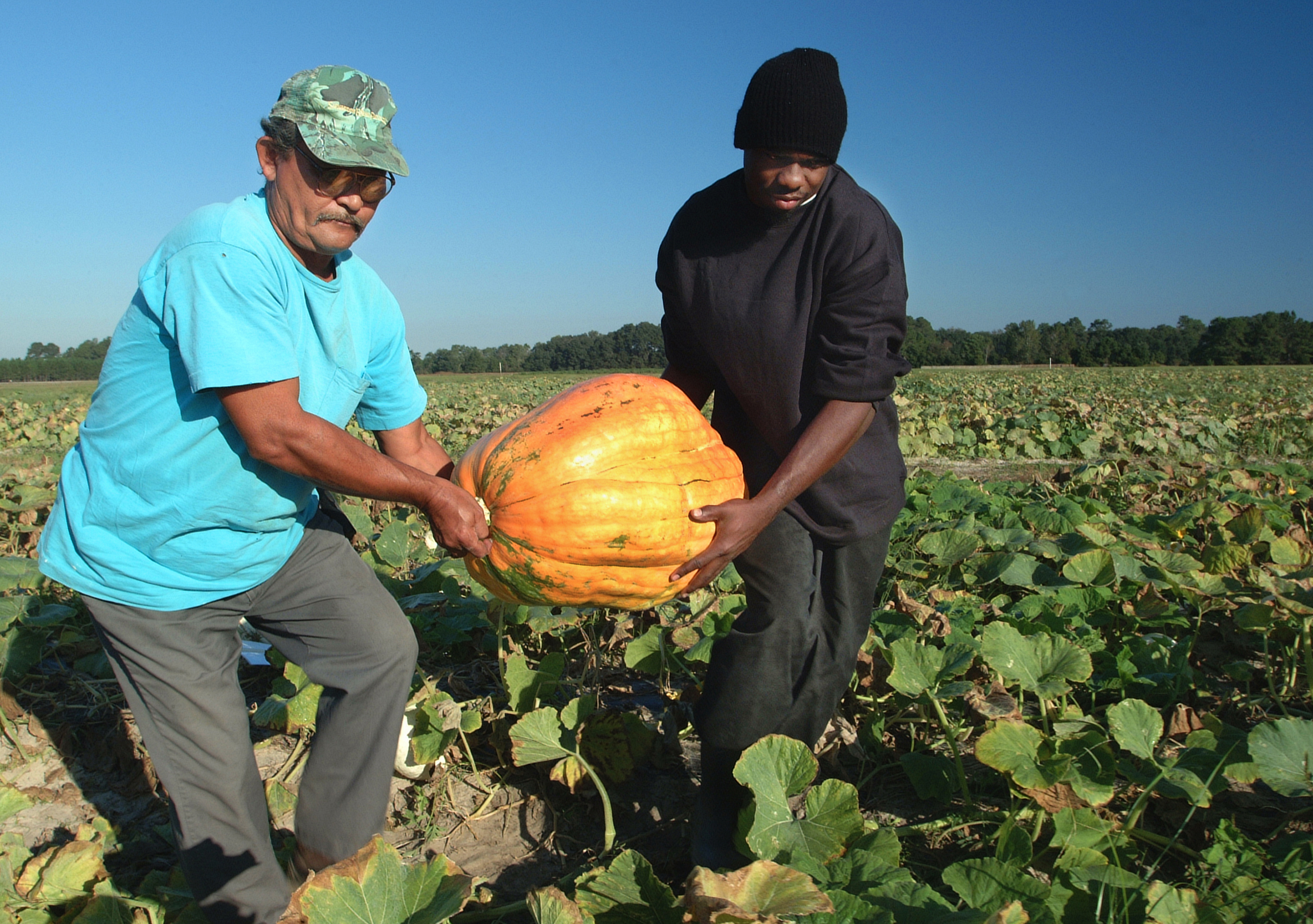
Beverly James, UF/IFAS Communications Service The University of Florida Institute of Food and Agricultural Sciences is getting the word out on updates to the federal Worker Protection Standard. Changes take effect January 2017. The Worker Protection Standard (WPS) is...
by Michael Mulvaney | Jan 13, 2017
Dr. Michael J. Mulvaney, Cropping Systems Specialist, WFREC, Jay, FL Now is the time to start thinking about nitrogen (N) management strategies for corn production in the Panhandle. This is a follow-up to the March 2016 article: Environmentally Smart Nitrogen (ESN)...
by Libbie Johnson | Nov 18, 2016
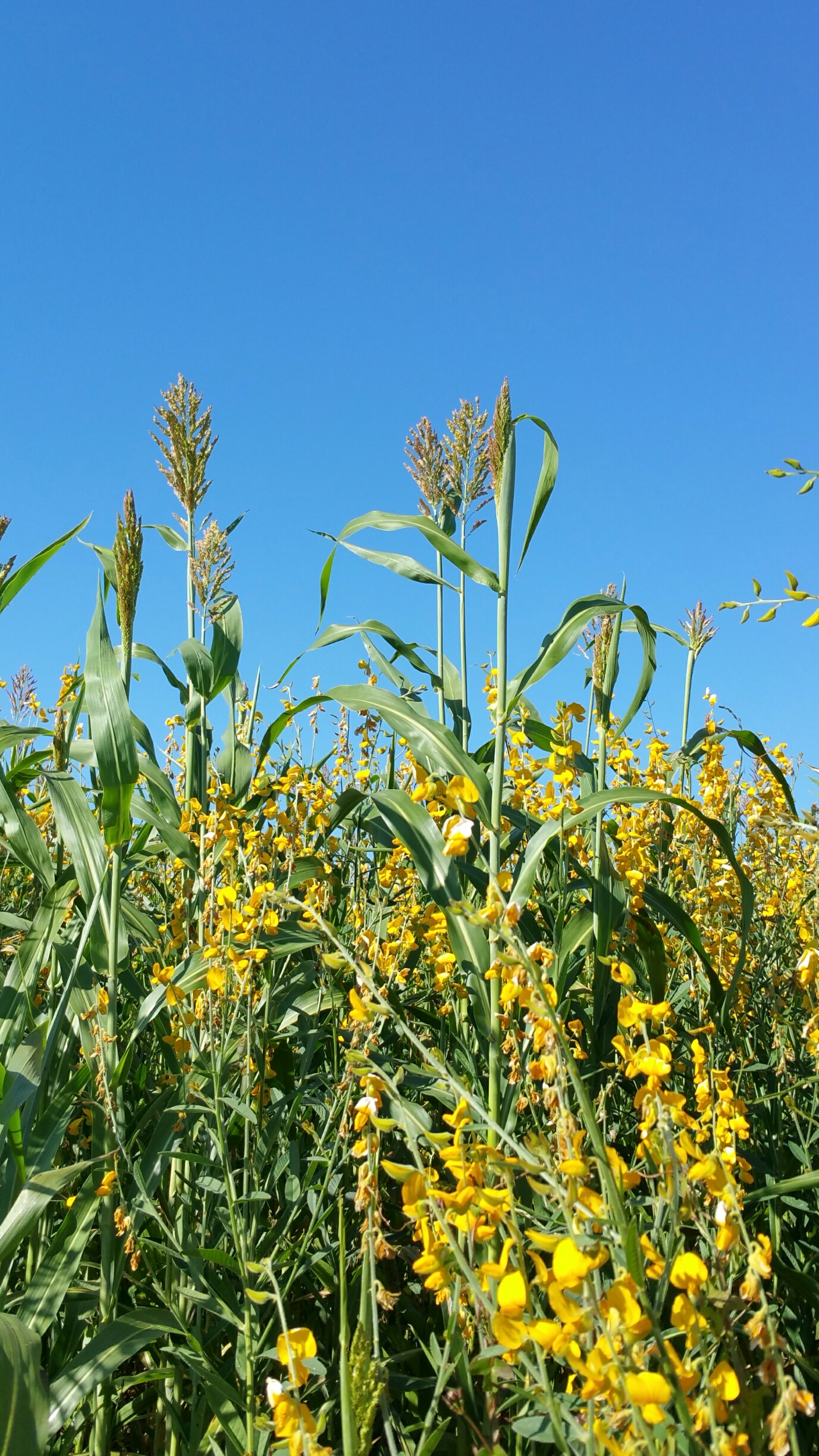
As dry as this Fall has been, planting cover crops has not been a priority or an option for many producers in the Florida Panhandle. One Escambia County grower planted an interesting cover crop mixture that has garnered a lot of attention locally this summer....
by Doug Mayo | Nov 18, 2016
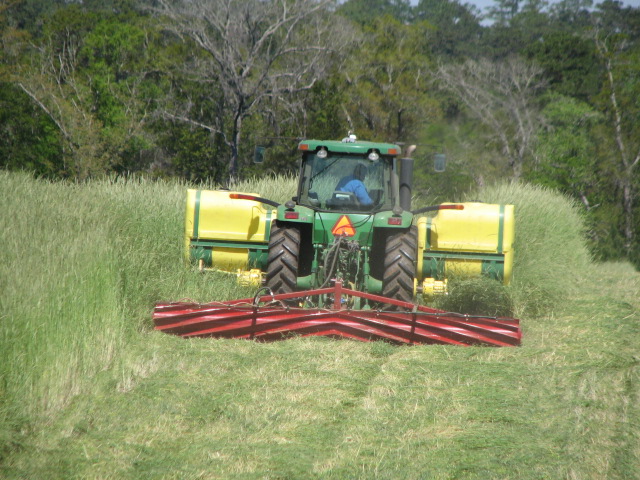
Conservation Stewardship Program – Application Deadline February 3, 2017 Agricultural producers can sign up for available funding through February 3, 2017 through USDA’s Natural Resources Conservation Service’s (NRCS) Conservation Stewardship Program...
by Blake Thaxton | Aug 26, 2016
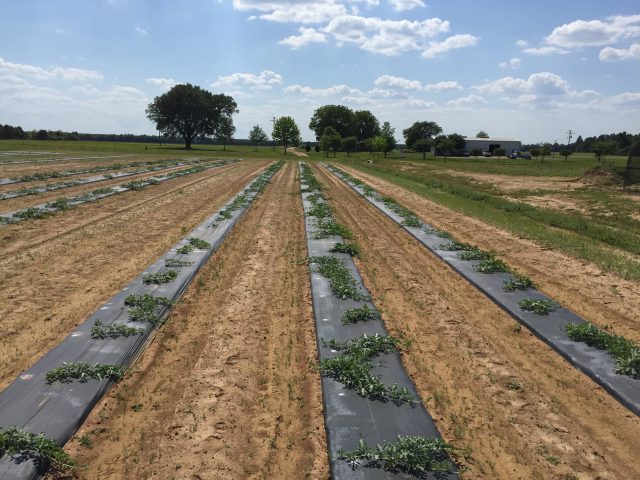
Some production systems, particularly vegetables, utilize wide row spacing (anywhere from 4 to 8 foot wide). In these systems it is of economic and environmental importance to fertilize the crop root zones evenly, and not fertilize the row middles, where nutrients...
