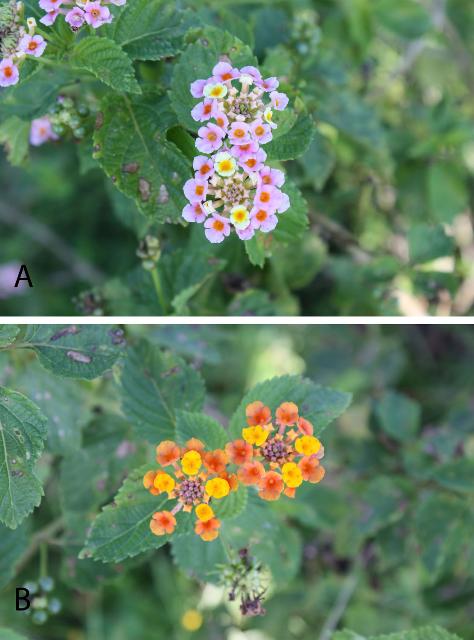
by Kalyn Waters | Apr 13, 2018
First introduced into the southern states as a perennial ornamental, Lantana is easily identified during the growing season by its vibrant multi-colored flowers. Currently, Lantana is listed as one of the top 10 more troublesome weeds in Florida, with...
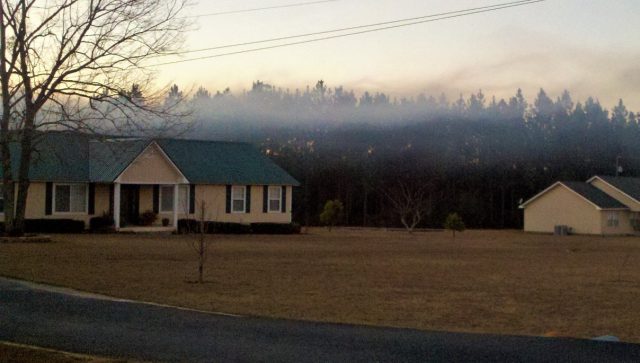
by Judy Biss | Apr 6, 2018
Farmers and ranchers must manage traditional business practices to be successful, but they also deal with the many challenges of ever changing weather. Rain, wind, and temperature are important and obvious aspects of weather that producers track on a daily basis, but...
by Ethan Carter | Apr 6, 2018
Last year, the Environmental Protection Agency (EPA) registered new dicamba herbicide product formulations for making applications to dicamba tolerant cotton and soybean crops. As a result, many states were overwhelmed with drift complaints regarding sensitive crops....
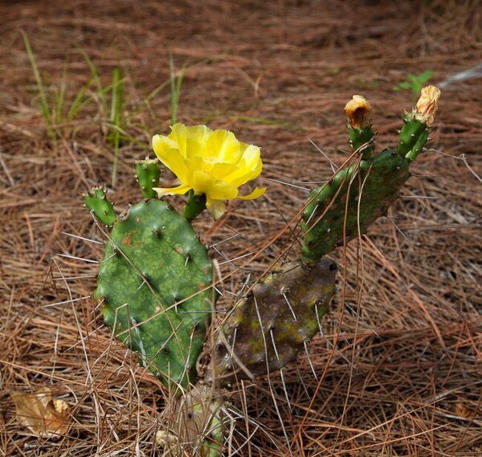
by Kalyn Waters | Apr 6, 2018
Prickly Pear Cactus is not a pasture weed issue everywhere in Florida, but if you have them, they can be one of the most difficult weeds to control. Prickly Pear Cactus can reproduce through fragmentation, meaning that each pad can separate from the “mother...
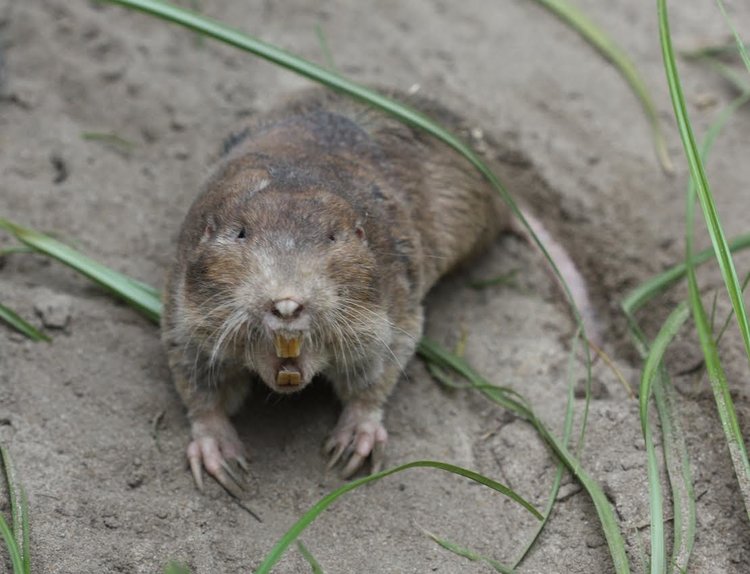
by Doug Mayo | Mar 16, 2018
The Southeastern Pocket Gopher, Geomys pinetis, sometimes called “Sandy-Mounders,” is a native rodent wildlife species in most of Florida, Southern Alabama, and Southern Georgia. They are typically found in fields with sandy, well-drained soils that are...
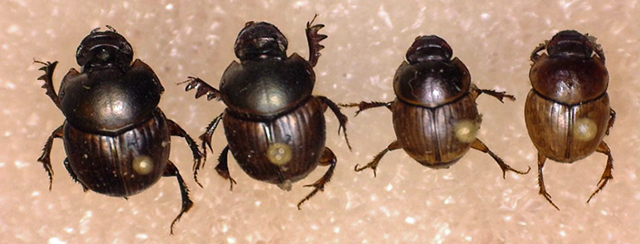
by Xavier Martini | Mar 16, 2018
Authors: Derrick Conover, and Xavier Martini, UF/IFAS North Florida Research and Education Center Throughout the world, dung beetles are important beneficial insects to cattle pasture ecosystems, as they support the processing and removal of livestock waste. With...
