by Libbie Johnson | Apr 24, 2015
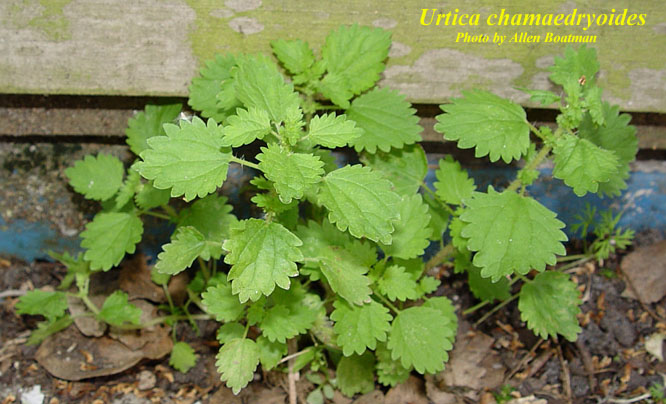
Fireweed (Urtica chamaedryoides), may not be a pasture weed that causes great economic losses from competition, but it can cause distress to people who come in contact with it in their pastures or around the farm. Also known as heartleaf nettle, this plant is...
by Mark Mauldin | Apr 24, 2015
Similar to Goldilocks’ porridge, water temperature doesn’t need to be too hot or too cold, it needs to be just right for using aquatic herbicides (70o – 80o F). Here in Florida these optimum water temperatures occur in the spring. Water temperature largely...
by Doug Mayo | Apr 17, 2015
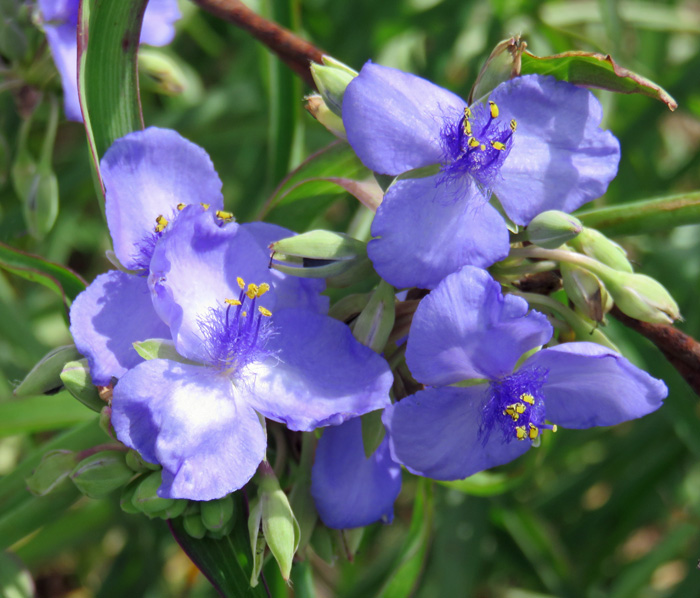
This time each spring you can see purple flowering plants up and down roadsides all across North Florida. Common Spiderwort (Tradescantia ohiensis), a.k.a. bluejacket, blooms really make the plants standout this time of year. Typically the blooms are most noticeable...

by Doug Mayo | Mar 13, 2015
The University of Florida IFAS Extension offers a database of fact sheets available for free download on the Internet called EDIS (Electronic Data Information Source) that has many publications of interest to farmers and ranchers in Northwest Florida. Each fact sheet...
by jferrell | Feb 20, 2015
B. Colvin, J. Ferrell, and R. Leon Hairy indigo (Indigofera hirsuta) is an annual legume that was introduced to Florida as a forage crop. It has since escaped cultivation where it can be a troublesome weed in some crop settings. Hairy indigo is particularly difficult...
