by Chris Prevatt | Jan 6, 2017
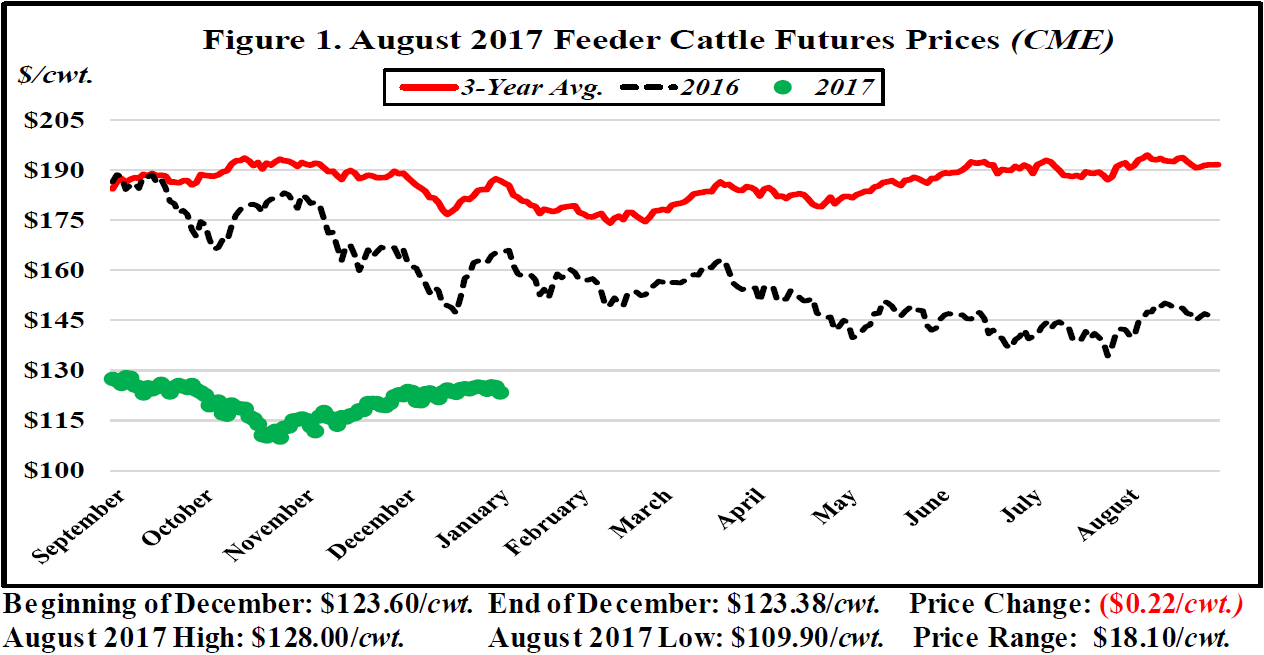
The August 2017 Feeder Cattle futures contract decreased by $0.22/cwt. during December. Based on this futures price decrease, August Feeder Cattle revenues decreased by approximately $1.65/head ($0.22/cwt. * 7.5 cwt.) on a 750-pound feeder steer which amounts to...
by Doug Mayo | Jan 6, 2017
UF/IFAS Beef Cattle & Forage Specialists, and County Extension Agents serving the Florida Panhandle developed a basic management calendar for cattle producers in the region. The purpose of this calendar is to provide reminders for management techniques with...
by Cliff Lamb | Dec 16, 2016
Pedro L. P. Fontes and G. Cliff Lamb, University of Florida – North Florida Research and Education Center, Marianna, FL The efficiency of post-weaning development of heifers has a major impact on the overall profitability of cow-calf operations. To ensure satisfactory...
by Chris Prevatt | Dec 16, 2016
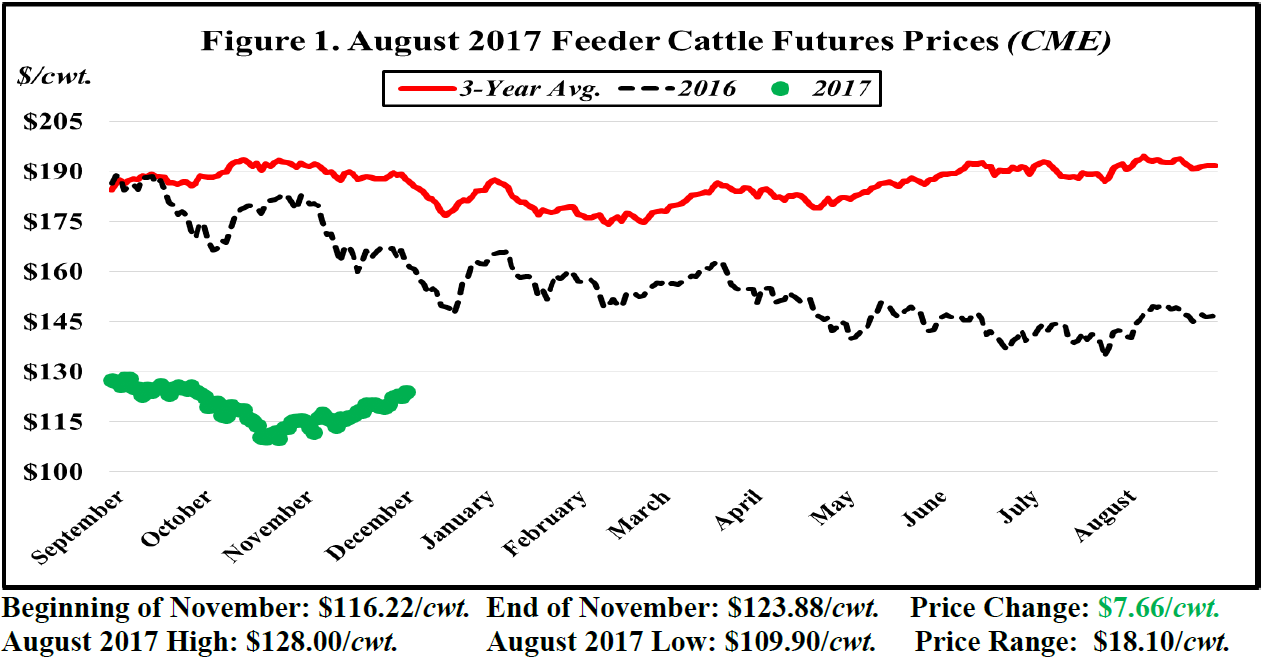
The August 2017 Feeder Cattle futures contract increased by $7.66/cwt. during November. Based on this futures price increase, August Feeder Cattle revenues increased by approximately $57.45/head ($7.66/cwt. * 7.5 cwt.) on a 750-pound feeder steer which amounts to...
by Doug Mayo | Dec 16, 2016
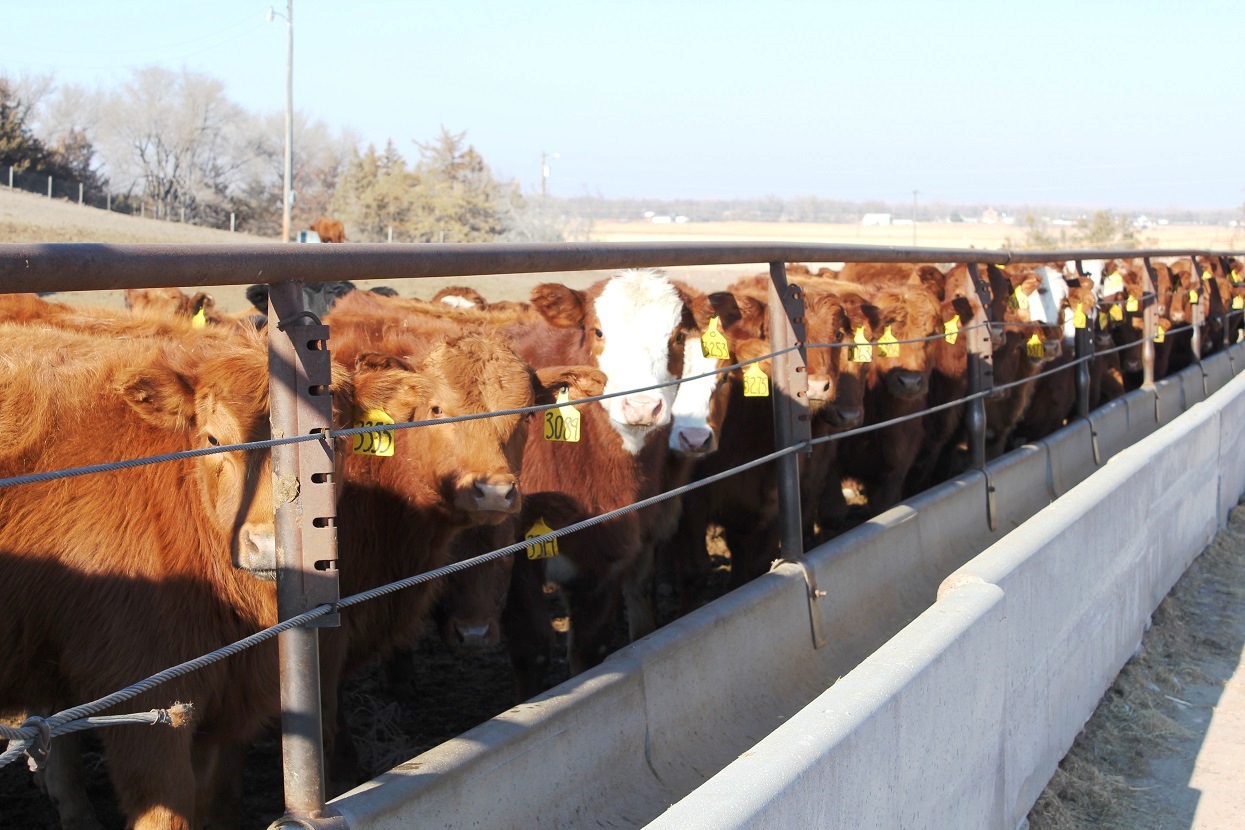
Source: FDA CVM Animal Feed Safety System Team As of January 1, 2017, animal producers will not be able to purchase feeds over the counter that contain antimicrobials deemed important for human health. Instead, to buy and use feeds containing those antimicrobials,...
by external | Dec 2, 2016
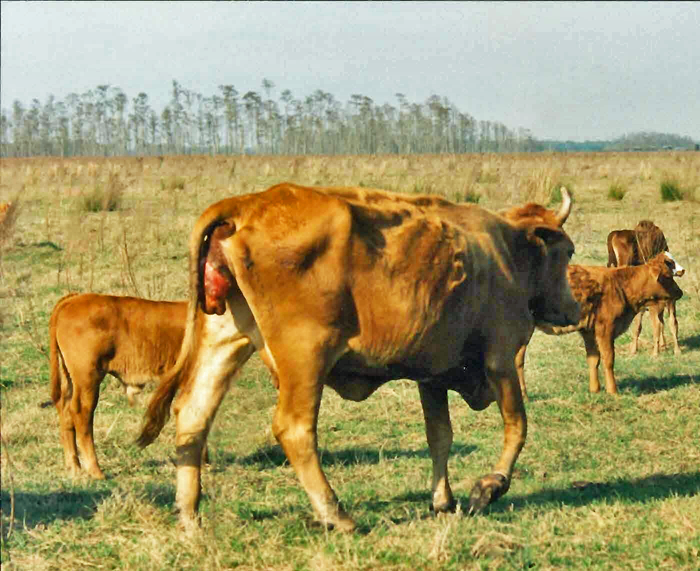
Glenn Selk, Oklahoma State University Emeritus Extension Animal Scientist Prolapses occur occasionally in beef cows. Most prolapses occur around calving time. Two distinct kinds of prolapse exist. Uterine prolapses are most likely to occur during or shortly after...
