by Doug Mayo | Sep 19, 2014
Perilla mint (perilla frutescnes) aka Beefstakeplant is a toxic weed that typically grows in shady, to partially shaded areas, damp spots, woodland edges, and fence-lines of pastures in the Southeast. Positive identification of this weed has been made in a number of...
by Doug Mayo | Jun 27, 2014
The University of Florida, IFAS Range Cattle Research and Education Center is conducting a survey to more thoroughly understand coyote damage to livestock. UF/IFAS is cooperating with the USDA National Wildlife Research Center to measure losses of livestock presumed...
by Doug Mayo | May 22, 2014
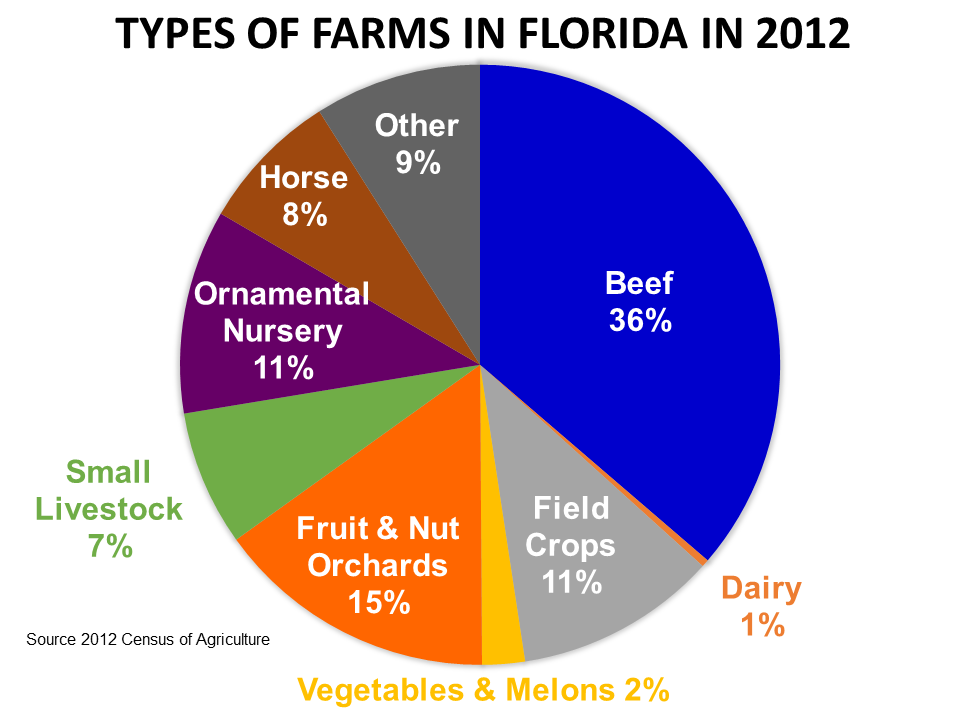
Every five years the United States Department of Agriculture’s (USDA) National Agriculture Statistics Service (NASS) sends out in-depth surveys to farmers called the Census of Agriculture, with numerous questions about specific farming operations. While most...
by Doug Mayo | Apr 25, 2014
On April 15th, Agriculture Secretary Tom Vilsack announced eligible farmers and ranchers may sign up for U.S. Department of Agriculture (USDA) disaster assistance programs restored by passage of the 2014 Farm Bill. “We implemented these programs in record time...
by Doug Mayo | Jan 6, 2014
[warning]The National Weather Service is forecasting wind chills below freezing for 48 hours from Monday night through Wednesday, with possible single digit wind chills on Monday and Tuesday nights.[/warning] The following is the NWS forecast for Marianna for Monday...
