by Doug Mayo | Jun 9, 2017
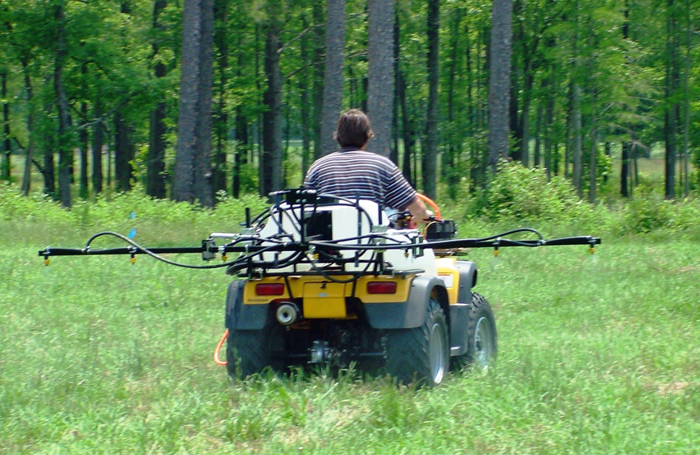
UF/IFAS Beef Cattle & Forage Specialists, and County Extension Agents serving the Florida Panhandle worked to develop a basic management calendar for cattle producers. The purpose of this calendar is to provide reminders for management techniques with similar...
by Doug Mayo | Jun 9, 2017
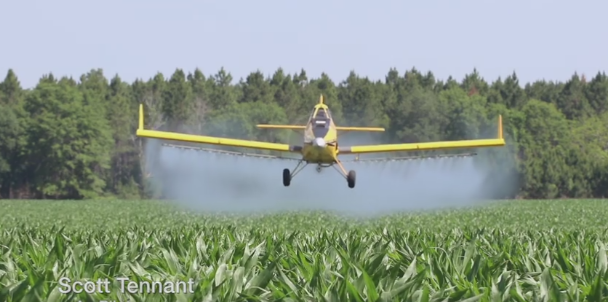
Growing America has started a nice feature for their weekly newsletter readers of sharing farm stories though videos. This week’s featured video highlights the story of Scott Tennant, Colquitt, GA, who is an agricultural pilot, more commonly known as a crop...
by Ethan Carter | May 19, 2017
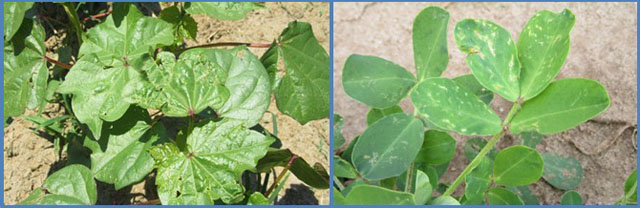
Planting season is well under way, with some producers nearing completion of peanut, and cotton planting. Annually, thrips are problematic in early panted cotton and peanut. It will be important to keep an eye on thrips populations as seedlings emerge, and the weeks...
by Matt Lollar | May 12, 2017
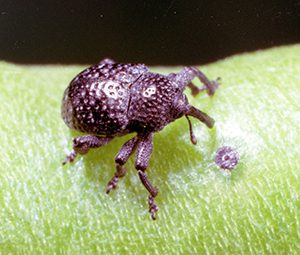
Peas are a staple food throughout the South. Whether you prefer southern peas, cowpeas, or blackeye peas, they are all under threat from the cowpea curculio, also known locally as pea weevils. With the mild winter this year, growers can anticipate that cowpea...
by Zane Grabau | May 5, 2017
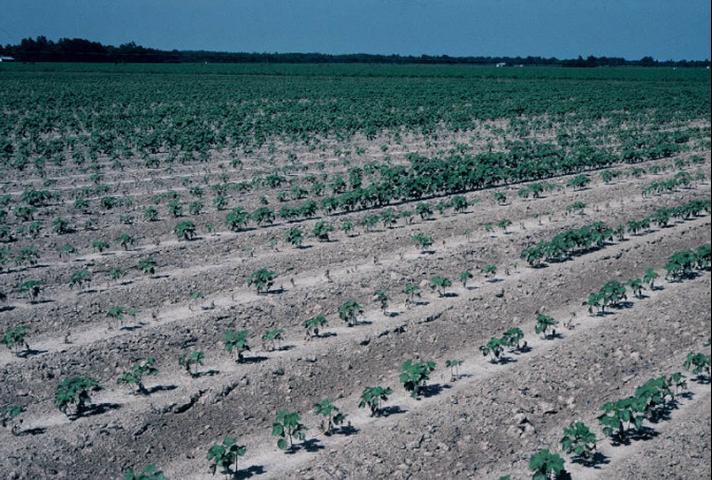
Plant-parasitic nematodes can drastically suppress cotton yield, often without noticeable above-ground symptoms. For this reason, nematode management is an important part of a successful operation. Nematicides, pesticides that target nematodes, can be a useful...
by jferrell | Apr 28, 2017
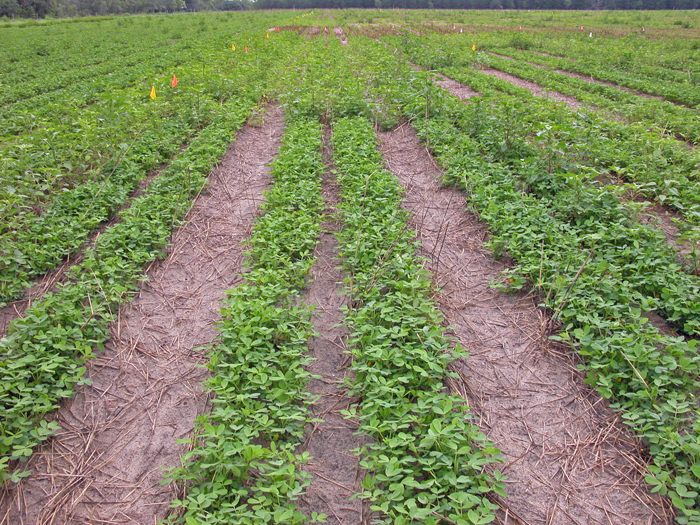
Preemergence herbicides are a powerful way to prevent weed infestations before they start. In our current climate of glyphosate and ALS-resistant weeds, a good preemergence program is more valuable than ever. However, method and timing of application dramatically...
