by Evan Anderson | Mar 18, 2022
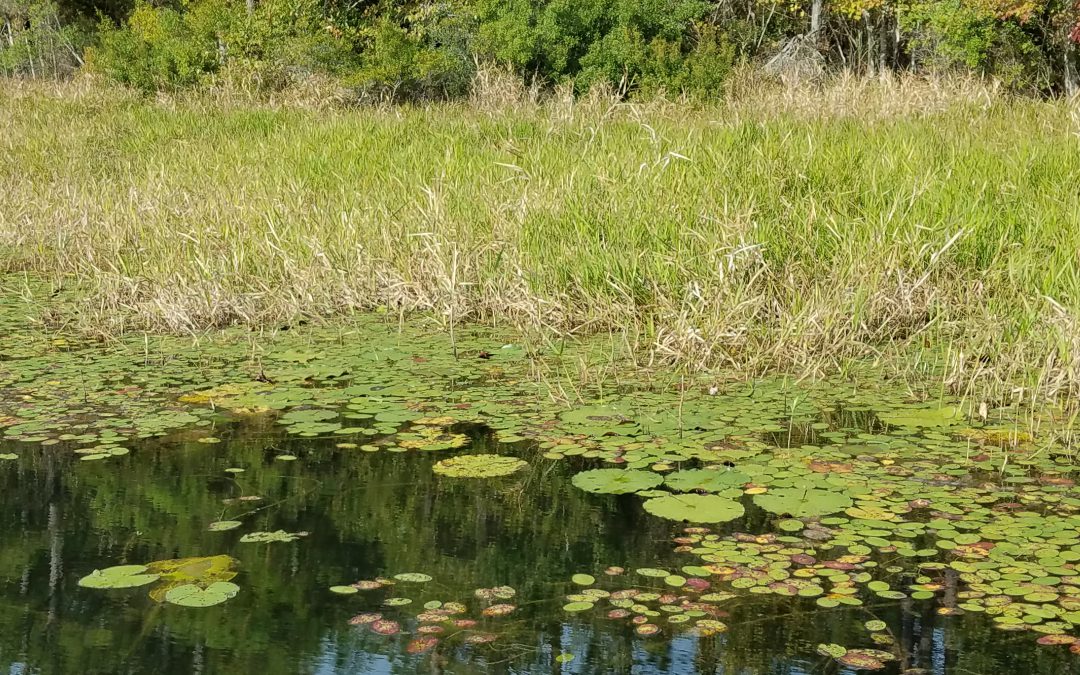
With warming weather comes weed problems, and the field is not the only place they can pop up. Farm ponds, whether used for irrigation, livestock, or just recreation, can often grow numerous pesky weeds that impact the use of these water bodies. A few lily pads might...
by Zane Grabau | Mar 11, 2022
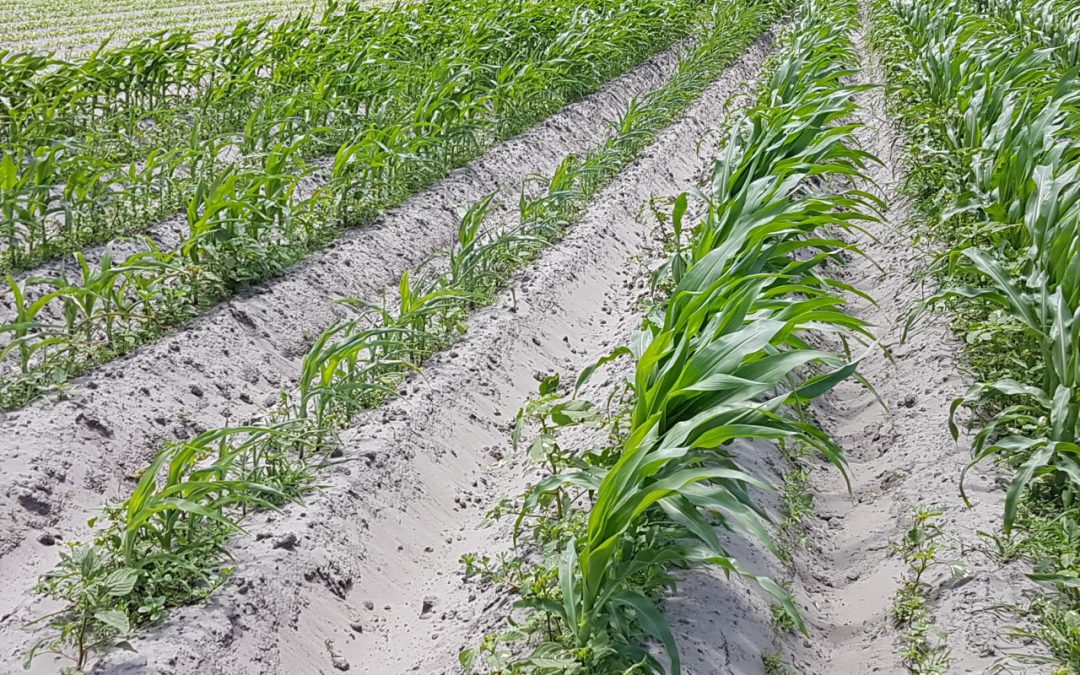
Plant-parasitic nematodes can substantially reduce yield in field corn. Crop rotation and nematicide application are the main options for managing nematodes in corn. Among nematicides, historically a single product, Counter (active ingredient terbufos), has been the...
by Ethan Carter | Mar 11, 2022
The 2022 Panhandle Row Crop Short Course was held Thursday, March 3. Extension Specialists from Florida, Georgia, and Alabama spoke to attendees providing key production recommendations and tips for row crop farmers during a time when input costs are skyrocketing....
by bobhoch | Mar 11, 2022
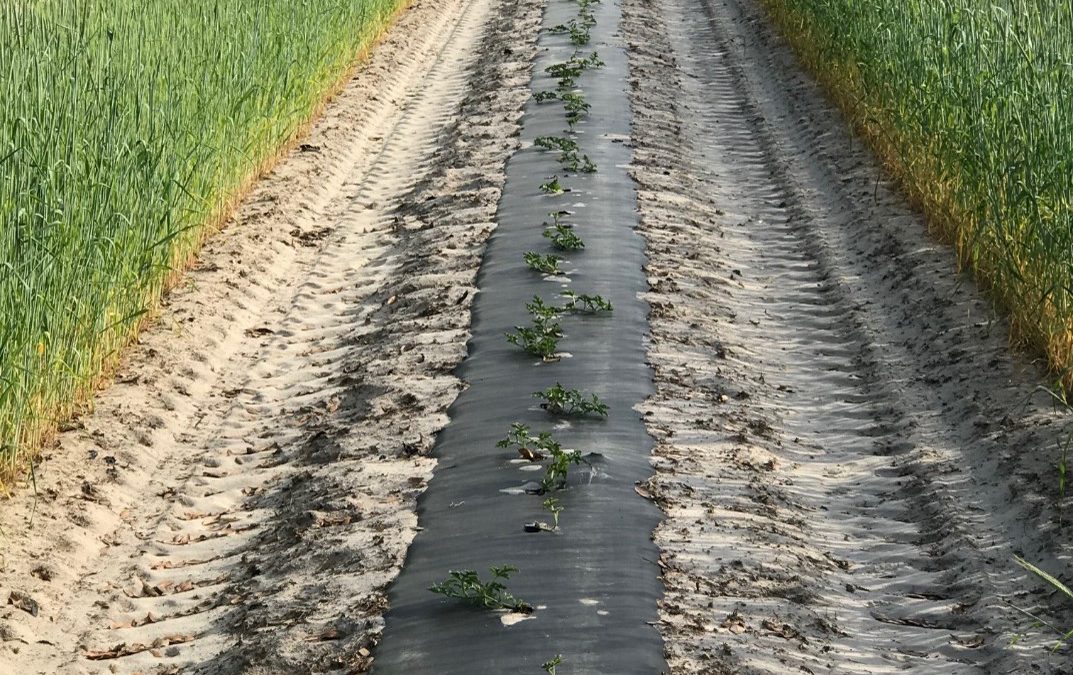
Bob Hochmuth with input from Suwannee Valley Extension Agents: Mark Warren (Levy), Tyler Pittman (Gilchrist), Tatiana Sanchez (Alachua), Luke Harlow (Union), Jay Capasso (Columbia), Dan Fenneman (Madison), Keith Wynn (Hamilton), Danielle Sprague (Jefferson), Emily...
by Molly Jameson | Feb 25, 2022
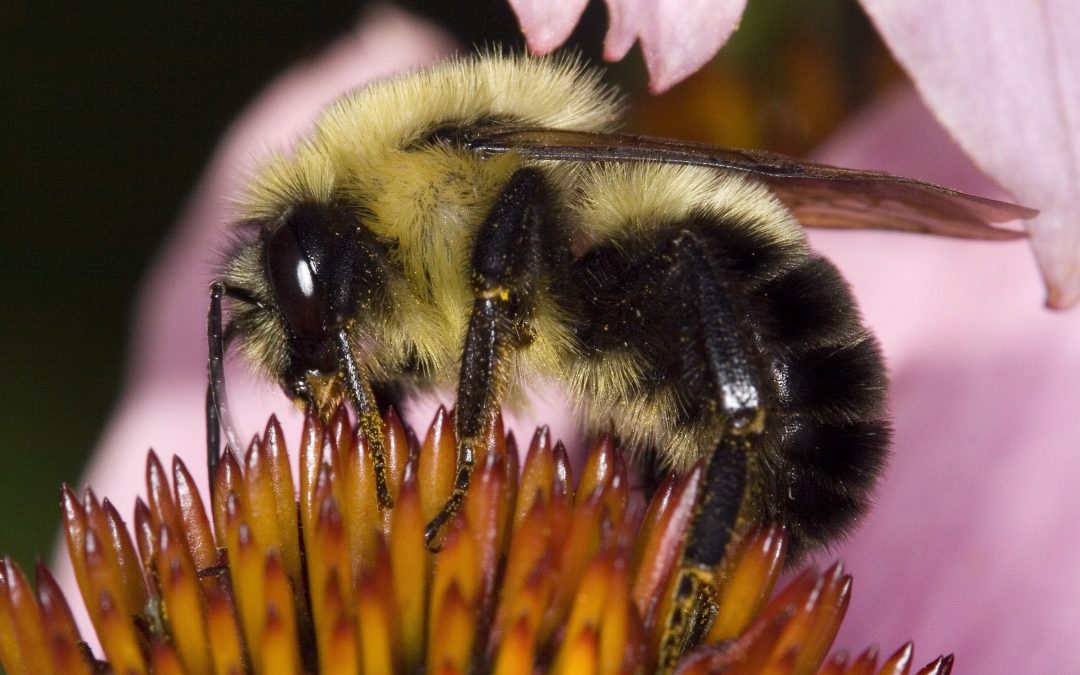
There are five social species of bumble bees (Bombus spp.) native to Florida, and each is an important pollinator throughout the state. European honeybees provide about 85 percent of our pollinating activity that is vital for supplying one-quarter to one-third...
by Mathews Paret | Feb 11, 2022
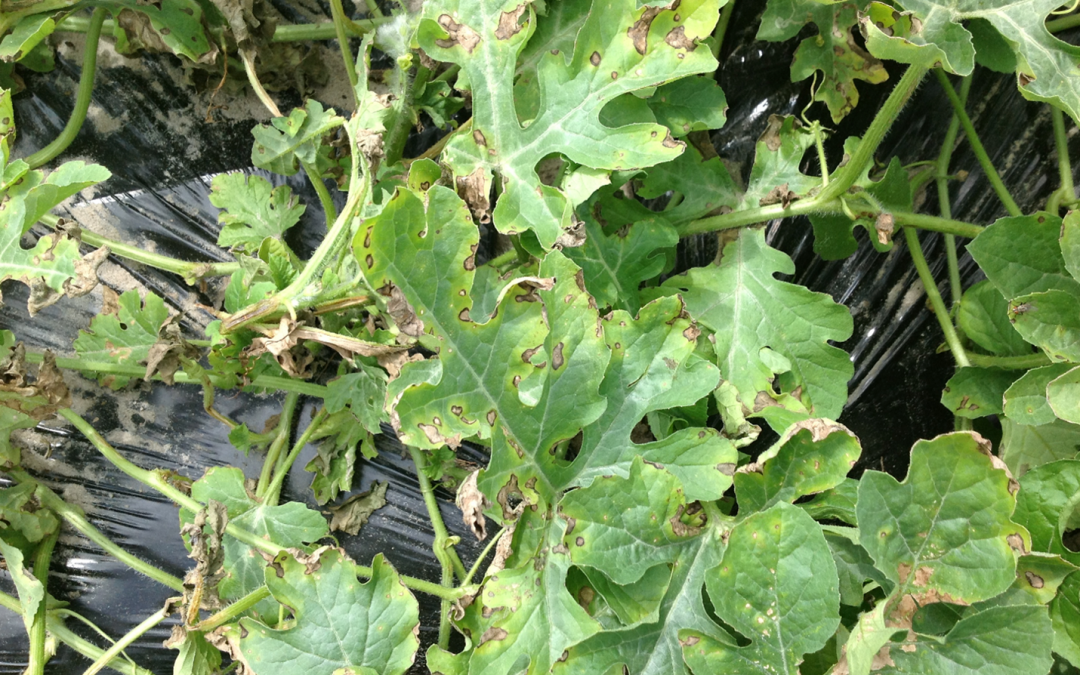
Mathews Paret, Susannah Da Silva, Kiersten Bushong, Josh Freeman, Bob Hochmuth and Jeff Jones, UF/IFAS North Florida Research and Education Center Many bacterial diseases annually affect the 7,500 acres of watermelon production in North Florida. Among these...
