
Limpograss: A Potential Forage Stockpiling Option for North Florida
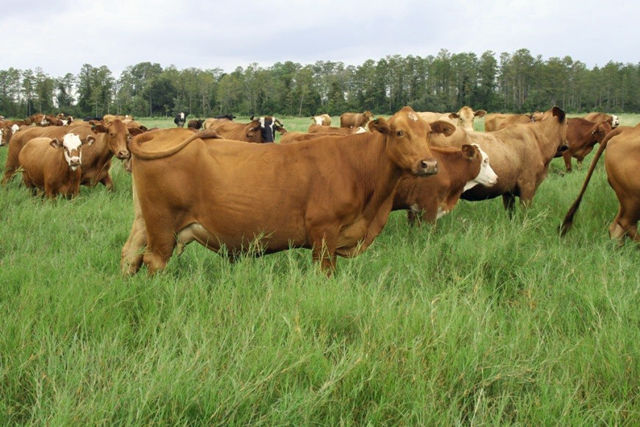
Jose Dubeux, Erick Santos, David Jaramillo, Liza Garcia, UF-IFAS NFREC Limpograss (Hemarthria altissima) has been successfully adopted in South Florida by livestock producers. This unique grass grows well in flatwood soils, and maintains its digestibility for...
Ticks: A Health Risk for Livestock and their Owners
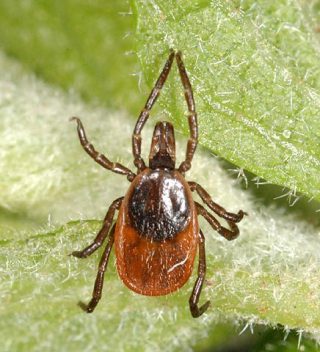
Most people can probably tell you that ticks carry Lyme disease. This bacterial disease can cause long-term health problems for humans if left untreated, but it is thankfully relatively rare to find in Florida (132 confirmed cases in 2016). Though Lyme disease...
Friday Feature: Cotton Research and Promotion Program
This week's featured video was produced by the Cotton Board to showcase the impact of the Cotton Research and Promotion Program to promote sustainable cotton production and provide competitive products for the textile industry. The Cotton Research and Promotion...
Cotton and Peanut On-Farm Nematicide Trial Preliminary Results
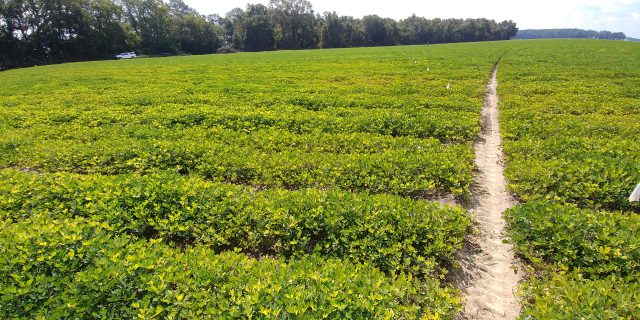
Authors: Zane Grabau, UF/IFAS Nemotologist, Ethan Carter, UF/IFAS Regional Crop IPM Agent, and Mark Mauldin, Washington County Extension Agent Plant-parasitic nematodes are a major pest for cotton and peanut in the Southeast. New or re-introduced non-fumigant...
Water Requirements for Beef Cattle
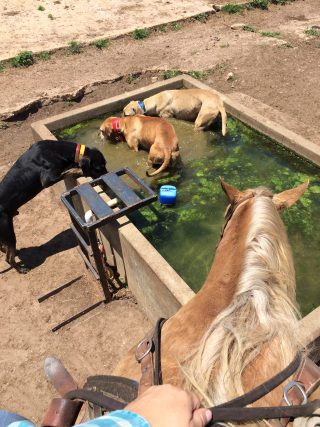
When producers think about nutritional requirements for beef cattle, protein, energy, and minerals often come to mind. However, none of the above-mentioned nutrients will meet an animal's needs without adequate water consumption. There are minimum amounts of water...
Weed of the Week: Perilla Mint
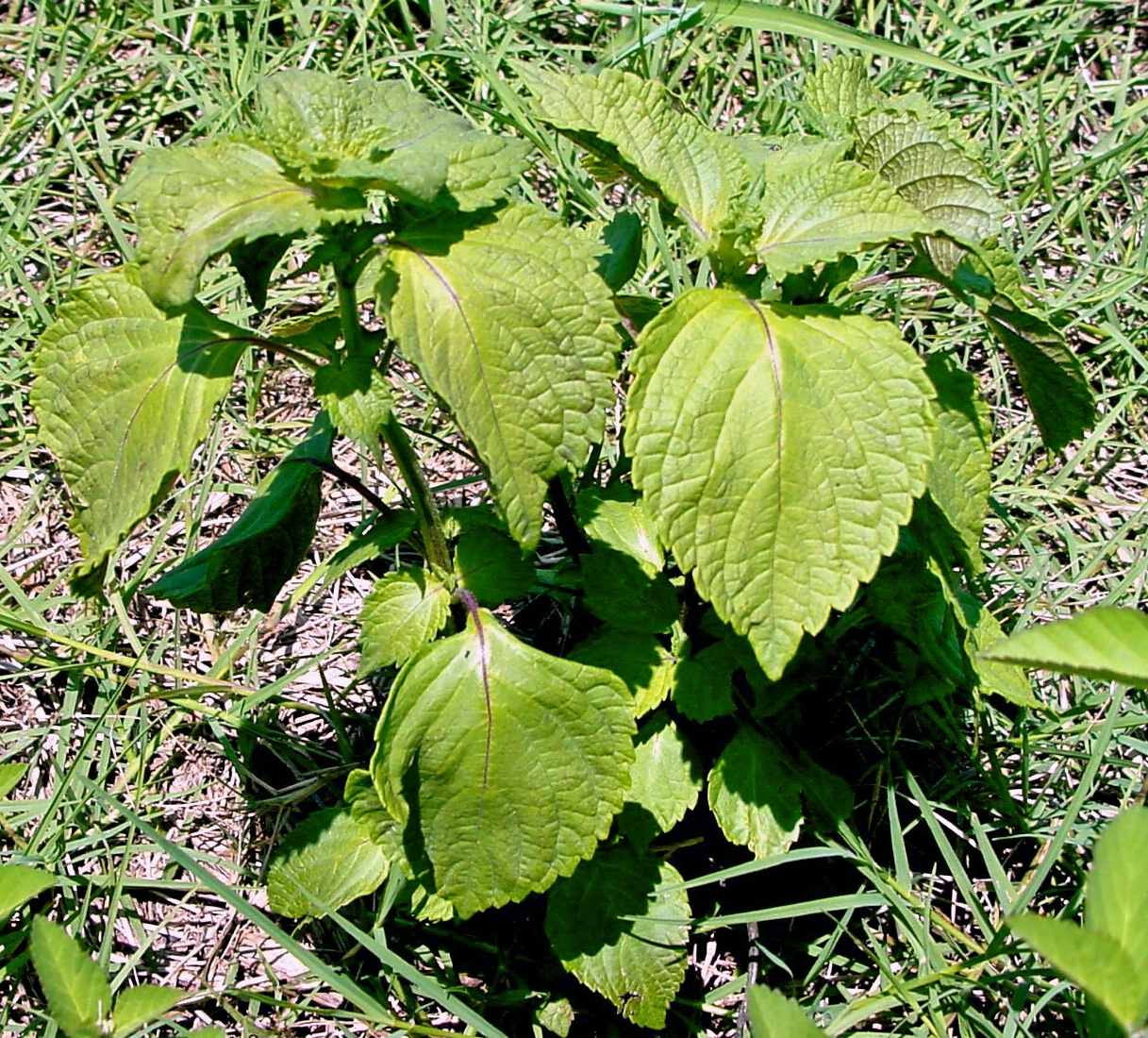
Perilla Mint is a toxic ornamental that has escaped from landscapes in the Southern U.S. and is now an established pasture weed. As a summer annual it grows in shaded areas up to a height of 2 feet tall. It is often identified by its purple shading on the undersides...
Friday Feature: Melon Planting Equipment Demonstration
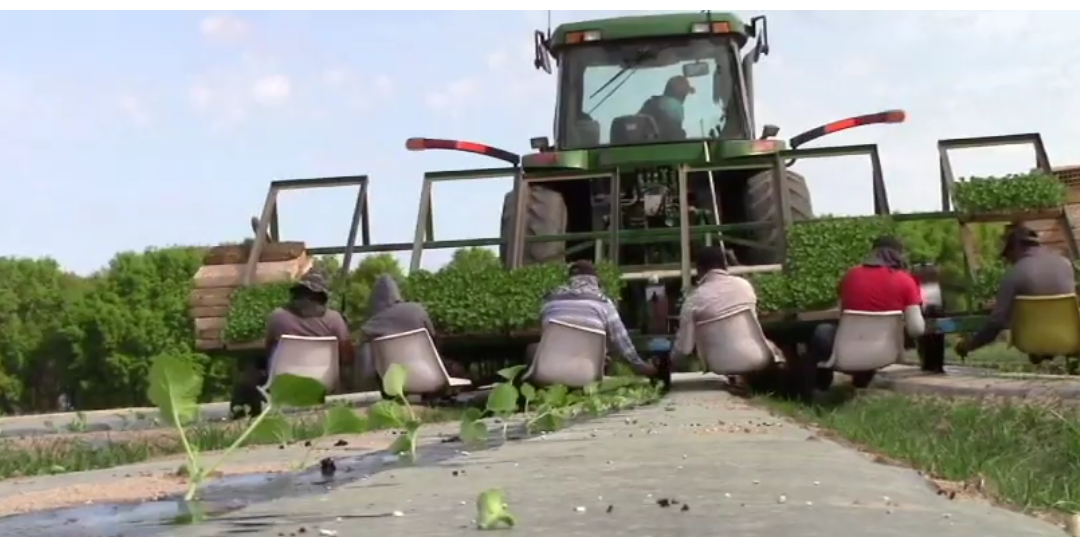
This week's featured video was produced by a member of the Panhandle Ag Extension Team, Matt Lollar, now located in Santa Rosa County. Locally grown cantaloupes are being harvested now and are available at your local farmer's market or grocery store. See how they...
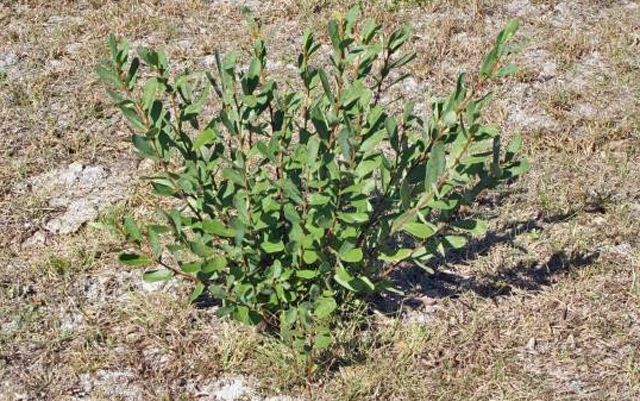
Thinning the Pawpaw Patch in Your Pastures
Pawpaws (Asimina spp.) are members of the custard family, and 10 species are known to occur in the state. Of these 10, fourpetal pawpaw (Asimina tetramera) is on the endangered species list, but this species is found primarily in coastal pine scrub habitats in Martin...
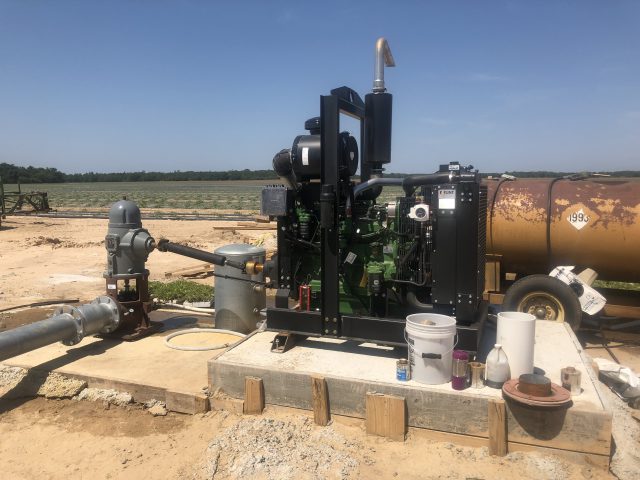
Water Source Recommendations for Food Safety
Supplemental water is necessary for good crop yields in fruit and vegetable production. Water quality is equally as important as water quantity when it comes to fruit and vegetable production. Unfortunately, water can transport harmful microorganisms from adjacent...
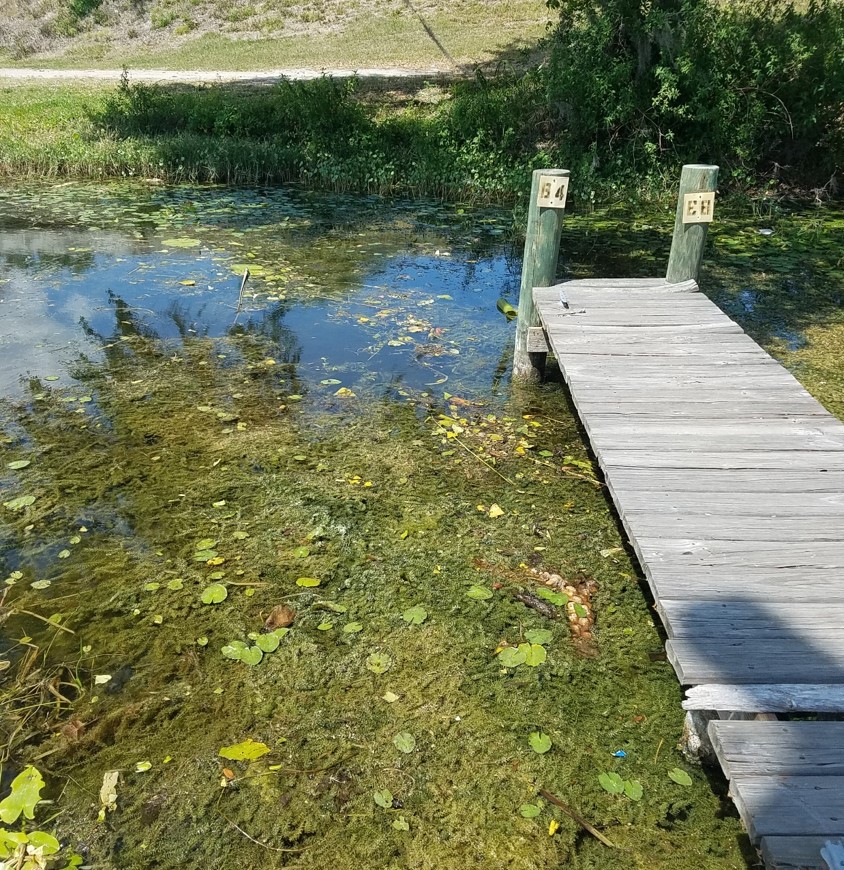
Grass Carp – A Biological Control to Manage Pond Weeds
Florida has hundreds of aquatic plant species, and they are an often-overlooked feature of Florida’s landscape. Overlooked that is, until the growth of non-native (even some native) species interferes with use of our waters. Some aquatic plant species can become...