
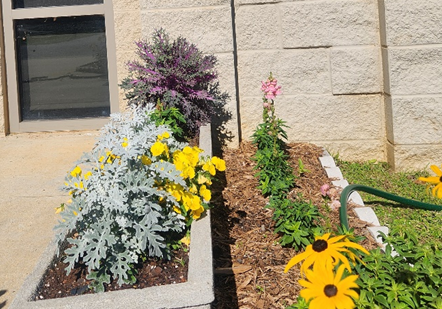
Photo Credit: Donna Arnold. FAMU Extension
As cooler weather settles across the Florida Panhandle, many homeowners refresh their landscape beds with plants that provide vibrant seasonal color. Ornamental kale (Brassica oleracea var. acephala) and ornamental cabbage are reliable, eye-catching choices for fall and winter landscapes. Their ruffled foliage and colorful rosettes, ranging from deep purple and rose to creamy white deliver long-lasting visual interest throughout the coldest months, even after many other seasonal plants have faded.
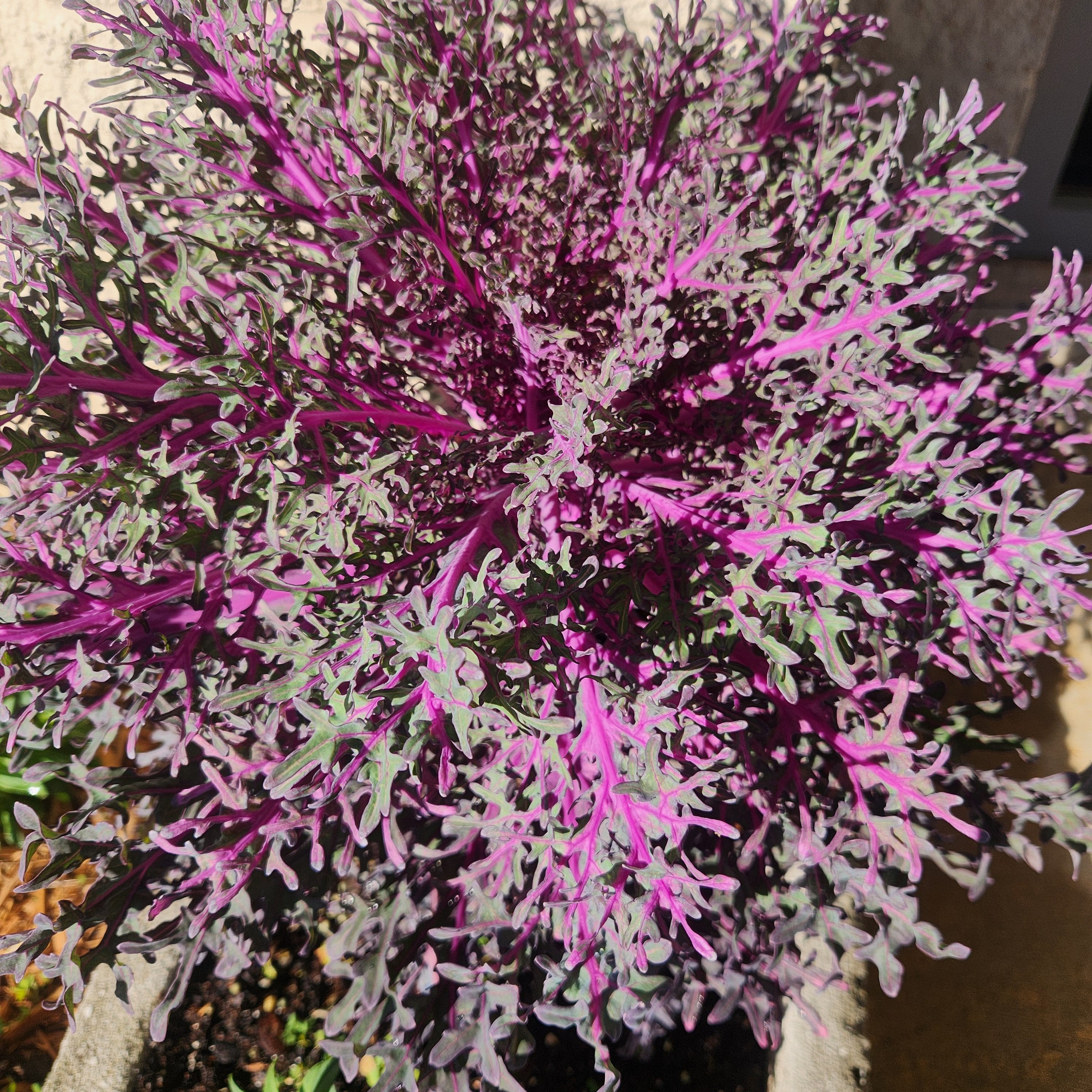
Photo Credit: Donna Arnold. FAMU Extension
Why Choose Ornamental Kale & Cabbage?
Unlike flowering annuals, ornamental kale and cabbage provide colorful foliage rather than blooms. Their dramatic rosette shapes create strong focal points in landscape beds, containers, and entryway plantings. These cool‑season ornamentals thrive in the Panhandle’s mild winter temperatures and tolerate light frost, making them dependable choices for winter interest.
Planting & Care Tips
Planting Time: October through December for best cool‑season results.
Sunlight: Full sun brings out the richest pigmentation in the leaves.
Soil: Moist, well‑drained soil with added compost.
Spacing: 12–18 inches apart to allow the rosettes to fully develop.
Maintenance: Water consistently but avoid soggy soil; remove yellowing leaves; fertilize lightly.
Their care needs are minimal, making them ideal additions for busy homeowners seeking low‑effort winter color.
To Eat or Not to Eat?
Although ornamental kale and cabbage are edible, they are grown primarily for their appearance rather than flavor. Their leaves are typically tougher and more bitter than those of culinary varieties. While cooking can help soften the texture and reduce bitterness, most homeowners choose to enjoy these plants as decorative landscape features rather than as part of a meal.
Design Ideas for Winter Color
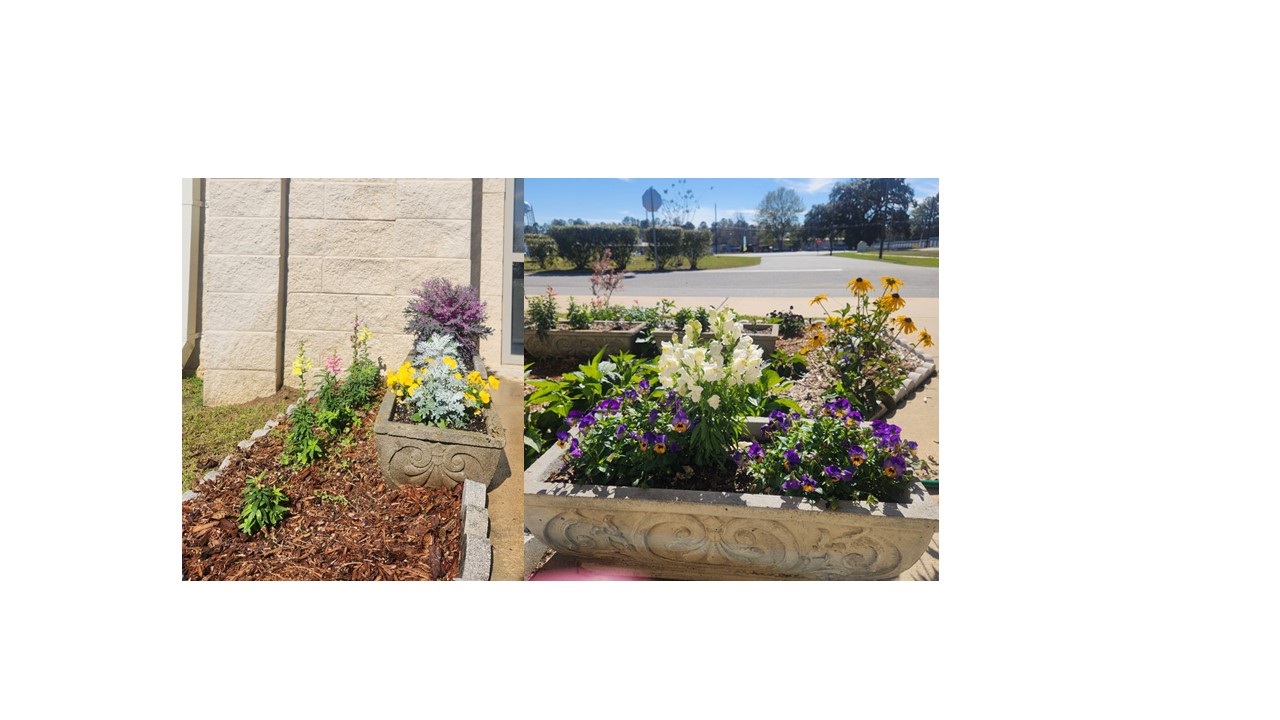
Photo Credit: Donna Arnold. FAMU Extension
Create eye‑catching combinations by pairing ornamental kale and cabbage with pansies, violas, and snapdragons. Pansies and violas add cheerful pops of color that blend beautifully with the textured rosettes. Snapdragons provide vertical accents that balance the low, rounded form of the cabbages. These combinations work well in mixed beds, large containers, or along entryways where color can be appreciated up close. For striking displays, try pairing purple kale with yellow pansies or white cabbage with deep blue violas. These pairings brighten winter landscapes and bring life back to garden spaces during the cooler months.
Pest & Disease Snapshot
Ornamental kale and cabbage are generally hardy but can be affected by a few common pests and diseases during the cool season. Aphids, caterpillars, and cabbage loopers may feed on foliage, causing visible holes and damage. In humid conditions or areas with poor air circulation, fungal diseases such as powdery or downy mildew may develop.
Prevent problems by practicing good garden sanitation, spacing plants to improve airflow, and avoiding overhead watering. UF/IFAS recommends using Integrated Pest Management (IPM) strategies, including hand-removal of pests, encouraging beneficial insects, and applying control measures only when needed to keep plants healthy throughout the season.
For more information contact your local extension office.

- To Eat or Not to Eat Fall Colors with Ornamental Kale - January 22, 2026
- Winter Bliss and Climate Challenges in North Florida Gardens - December 11, 2025
- When the Ground Moves. - September 25, 2025