by Matt Lollar | Jan 6, 2022
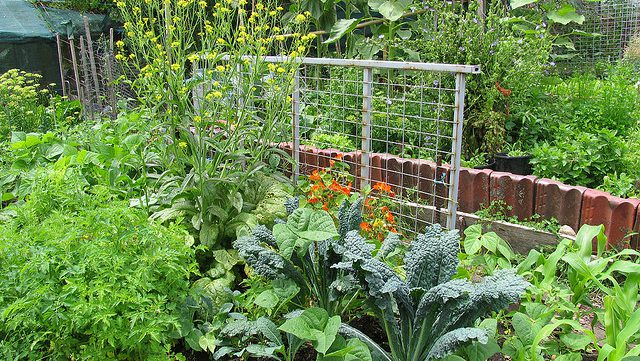
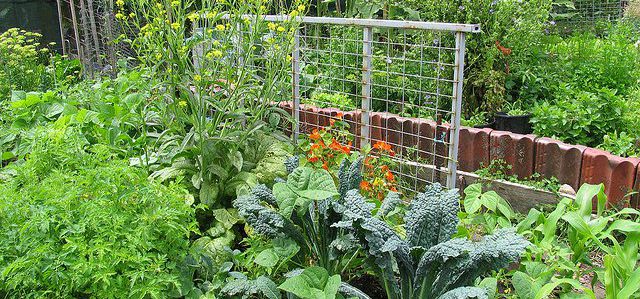
A mixed vegetable garden. Photo Credit: eXtension.org.
It’s never too early to start thinking about your spring vegetable garden. Have you ever wondered how much it costs to grow your own vegetables? Does it cost less to grow your own vegetables or buy them from the grocery store or farmers market? A number of factors are involved with answering these questions and budgeting for your home garden.
Materials
The materials used are specific to your own vegetable garden. If you do everything by hand you may need a hoe, rake, and spade along with a number of other tools you can use from year to year. When budgeting for you garden you would need to think about the life expectancy of these tools. Let’s say a $20 rake lasts for 10 years. In that case, you would budget $2/year ($20 ÷ 10 years = $2/year) for the rake. This might also be the case with a bag of fertilizer. You may buy a 50 pound bag of fertilizer and use half the bag in year one and the other half in year two, so the cost of the fertilizer would be cut in half for your yearly budget. Other materials may be purchased for just one growing season such as pine straw for weed suppression or you may buy only enough seeds for the season.
Labor
A lot of work goes into growing your own vegetables. If you have the time and enjoy gardening then you may choose to charge yourself nothing for your work. However, from a cost analysis perspective you may want to put a value on your work. This will give you a better comparison to buying vegetables.
Budgets
Of course you could create your own budget based on all the costs that go into gardening. But why do that, when it’s already been done for you. The UF/IFAS Costs and Benefits of Vegetable Gardening publication includes a Microsoft Excel Cost Workbook to help answer some of these cost questions. This budget template is customizable, so it’s important that you consider all the costs for your vegetable garden. If you are looking for more detailed crop budgets, there are a lot of North Florida Enterprise Budgets available from UF/IFAS.
by Matt Lollar | Dec 16, 2021
Trees provide shade, aesthetics, and perspective to the landscape. However, they only serve as burdens if not properly selected and maintained. To help determine what trees do best under certain conditions and to provide information on tree care, this month’s Gardening in the Panhandle LIVE! was all about trees.
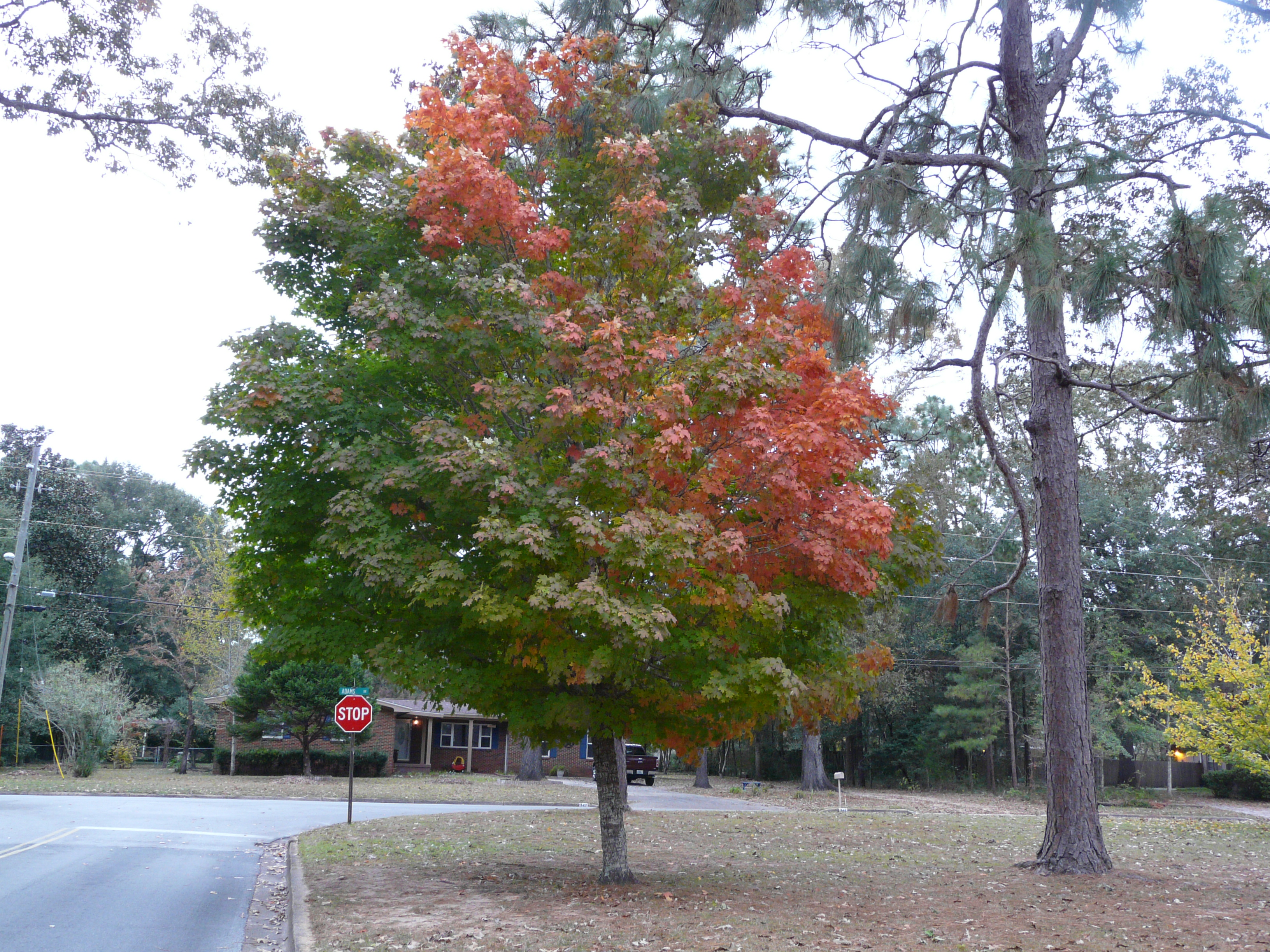
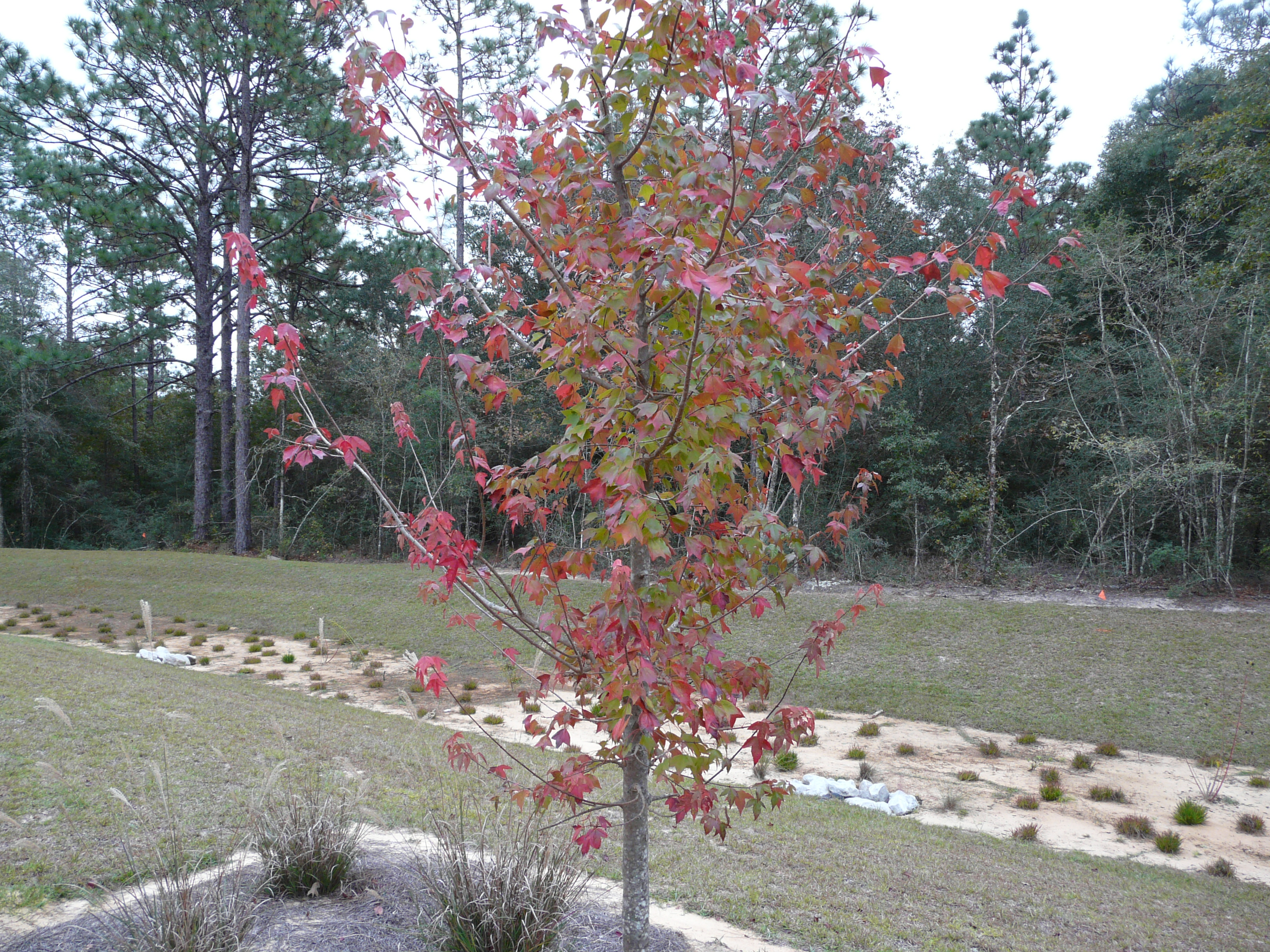
Florida maple beginning to exhibit fall color. Photo credit: Larry Williams, University of Florida/IFAS Extension – Okaloosa County
Tree Selection
Some trees grow faster than others. That’s not always a good thing, but if you’re trying to select a tree that grows fast and will provide shade in your yard then you might want to give the following species a try. Click on the links for more information.
A lot of times you’ll read a particular tree species prefers moist, well-drained soil. Some coastal soils are very well drained and require supplemental irrigation after establishment to keep some species alive. One tree that does well in sandy, well-drained soils without supplemental irrigation is the sand live oak. Another tree, that would never win a popularity contest, but does well in sandy soils is the sand pine. This tree has a gnarly growth habit, which would make it an interesting focal point in the landscape. Turkey oaks are another option for dry spots.
There are a lot of fruit tree species that can be grown successfully in the panhandle. The key to good fruit production is selecting trees that are adapted to the average number of chill hours (usually calculated by the number of hours between 34ºF and 45ºF) your yard receives on a yearly basis. Some peaches, plums, and nectarines have been developed for our climate. Citrus such as satsumas and tangerine hybrids grow well in the panhandle, but sometimes require cold protection. Persimmons, loquats, and pears are other fruit trees that grow well.
If you already have mature trees in your yard, then you may be looking for smaller, understory trees to enhance your landscape.
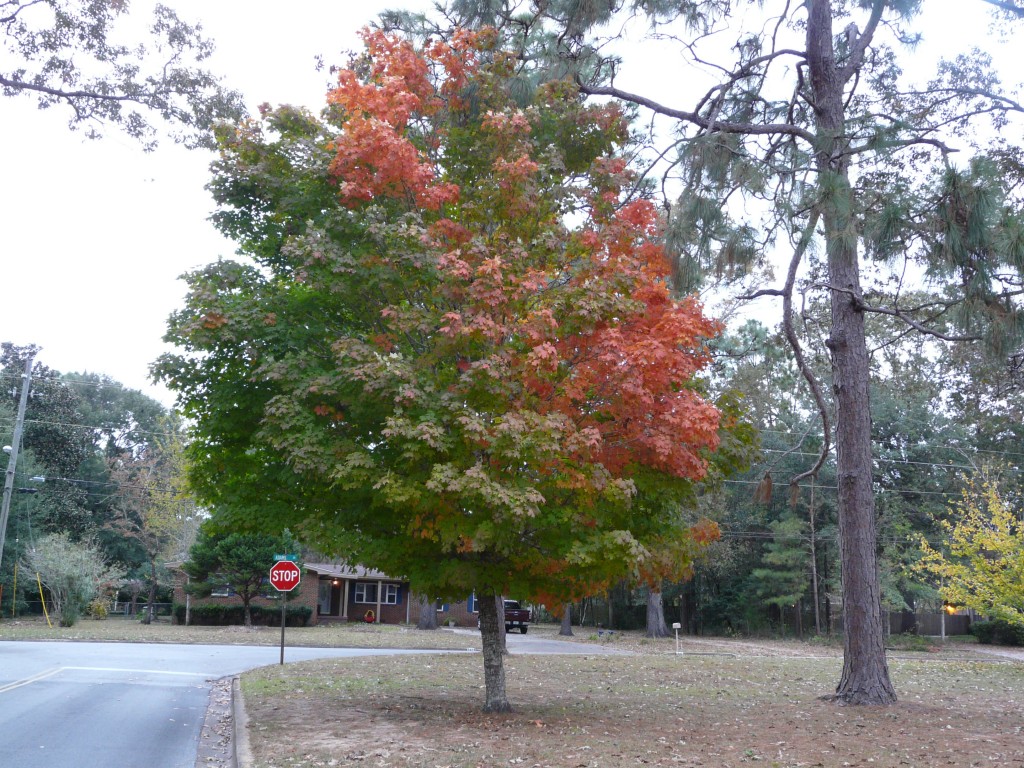
Living this far south, you often have to really seek out trees that change color in the fall. Dogwoods, Florida maples, and blackgum trees all have great fall color. Some of the red oaks also have nice fall color. Two that come to mind are the nuttall oak and the Shumard oak.
Trees can cause a lot of damage if planted too close to sidewalks or buildings. To determine if a tree will fit in a confined space, you will need to consider its mature trunk flare diameter.
Florida is the southern extreme for growing ginko trees. If you decide to plant a ginko tree, make sure to select a male cultivar to avoid stinky, slippery fruit.
To successfully plant a tree, you need to start with a healthy tree. If the tree you purchase was grown in a pot, make sure it isn’t rootbound and doesn’t have encircling roots. You also should inspect the tree’s form, branching structure, and look for the presence of included bark. Please read “Selecting Quality Trees from the Nursery” for more tips on what to look out for when purchasing a healthy tree.
Some trees are more tolerant than others of high winds and flooding. Please read this publication about tree failure from hurricanes to help determine what tree species are better adapted to these weather events.
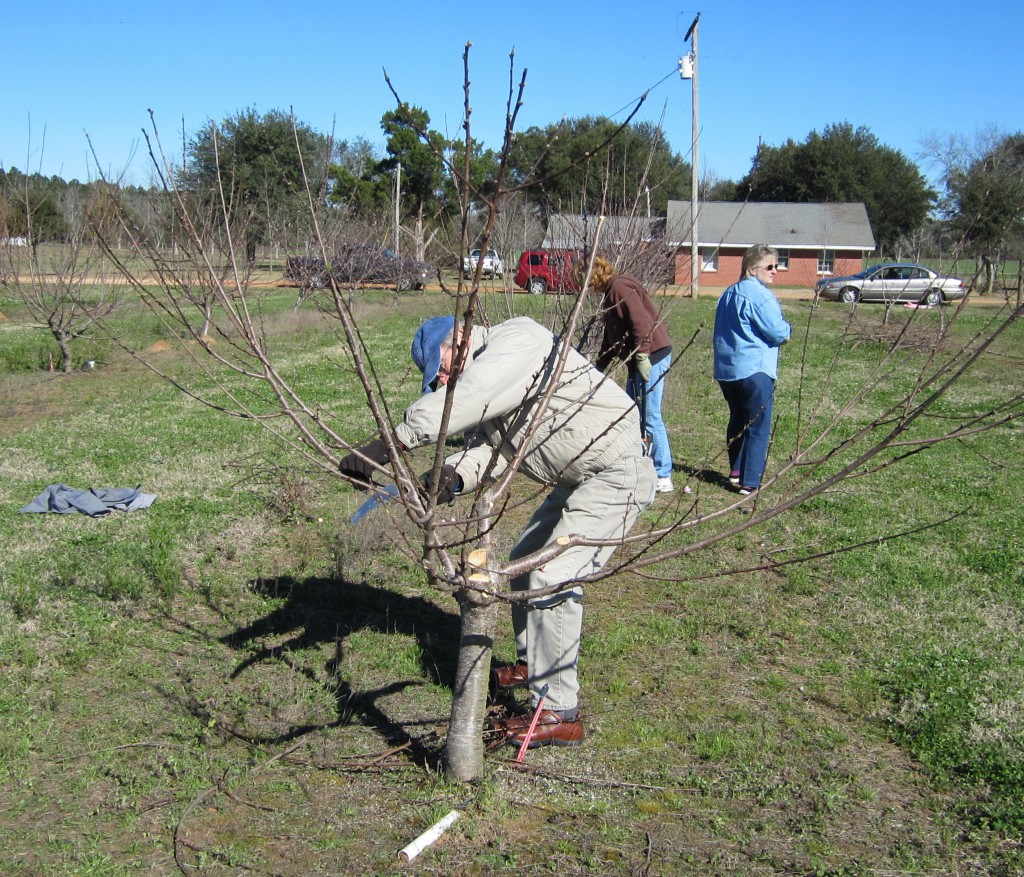
Santa Rosa County Master Gardener Pruning a Stone Fruit tree at the WFREC. Photo Credit: University of Florida/IFAS Extension
Tree Maintenance
Armillaria is a common fungal pathogen that infects trees from their roots. Other major diseases are more specific to certain species. A more comprehensive list of tree and shrub diseases can be found on the Ask IFAS website.
Tree establishment period depends on a lot of factors. Once a tree is established, it’s roots can be equal to about three times the distance from the trunk to the dripline.
Part of the beauty of a bald cypress is its knees. However they can also be a nuisance for mowing and other yard maintenance. The purpose of cypress knees is a bit of a mystery and there are a lot of theories on the subject.
Fallen leaves can help add nutrients back to your yard. Even if you are trying for a manicured lawn, you may want to rake up the leaves and use them elsewhere in the landscape.
Regardless of the species, most fruit trees benefit from a good pruning. Deciduous fruit trees should be pruned to maintain good branch structure and form, while citrus may benefit from a light hedging.
Trees are a wonderful addition to any landscape, but it’s important you select the right tree for the right place. Hopefully this article provided some information to guide you in the right direction.
by Matt Lollar | Nov 22, 2021
Houseplants can soften up the interior of your home and help clean the air. They can also supplement your holiday decorations and help create stunning focal points. To help determine what plants do best under certain conditions and to give pointers on plant care, this month’s Gardening in the Panhandle LIVE! was all about houseplants.
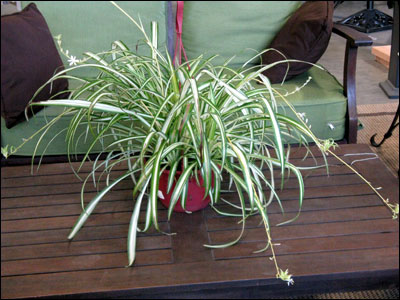
A spider plant on a coffee table. Photo Credit: University of Florida/IFAS
Environmental Conditions for Houseplants
Unless you live in a glass house, you’ll probably want to choose houseplants that do well in low light conditions. A guide for what light level different houseplants prefer can be found on the Gardening Solutions Light for Houseplants page. This page also provides useful tips on supplemental lighting.
Some houseplants are better at cleaning the air than others. A list of houseplants that do a good job improving indoor air quality can be found on the Gardening Solutions Houseplants That Clean the Air page.
The best way to determine if your houseplants need water is your own green thumb or whatever finger you choose to stick in the potting mix, but for some interesting information on outdoor soil moisture meters check out this informative publication on soil moisture sensors.
Houseplants need a good quality, well-drained potting mix to thrive. Tips on selecting a potting mix can be found on the Gardening Solutions Container Media page.
Houseplant Pests
One of the best ways to rid houseplants of insect pests is to set the plants outside for a few days and let the pests move on. For some information on pest control products in and around the home check out the publication Natural Products for Managing Landscape and Garden Pests in Florida.
Fungus gnats are mainly a nuisance, but some species can feed on living plant tissue. Darkwinged fungus gnats are known to feed on ferns, orchids, and geraniums.
Houseplant Propagation
One way to increase your houseplant population and save a few dollars is to propagate your own plants. The University of Florida/IFAS created the Plant Propagation Glossary to help with any propagation questions you may have.
Air layering is a propagation technique that not only allows the prospective plant to thrive from the nutrients of the mother plant, but it also saves space.
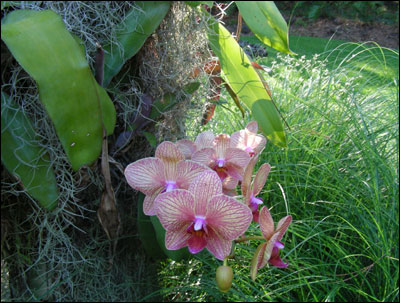
A moth orchid (Phalaenopsis spp.) outdoors. Photo Credit: University of Florida/IFAS
Specific Species Info
Orchids in the genus Phalaenopsis are easier to care for than other genera of orchids. The American Orchid Society provides some great tips on caring for orchids indoors. Some people choose to water their orchids with ice cubes. The Ohio State University has a publication that provides some more insight on watering Phalaenopsis orchids with ice cubes.
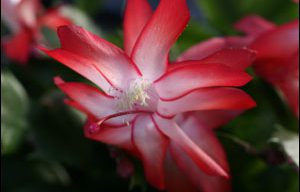
A lot of cacti do well indoors. A popular cactus during the holiday season is Christmas cactus. Christmas cactus have interesting foliage, but their blooms are what people want to see. Some tips on getting your Christmas cactus to bloom on time and general care information can be found in this Christmas Cactus Preparation fact sheet.
Have you ever wanted to grow fruit trees indoors or do you want some tips on bringing containerized fruit trees indoors for the winter? The Growing Fruit Crops in Containers publication provides some good tips on growing fruit trees indoors.
Unless you have a house with a lot of windows or a sunroom, plumeria don’t make the best houseplants. They need at least six hours of sunlight per day and need to be at least three years old to bloom. If you are interested in propagating plumeria, then check out this publication on propagating plumeria from cuttings.
by Ashley Stonecipher | Oct 28, 2021
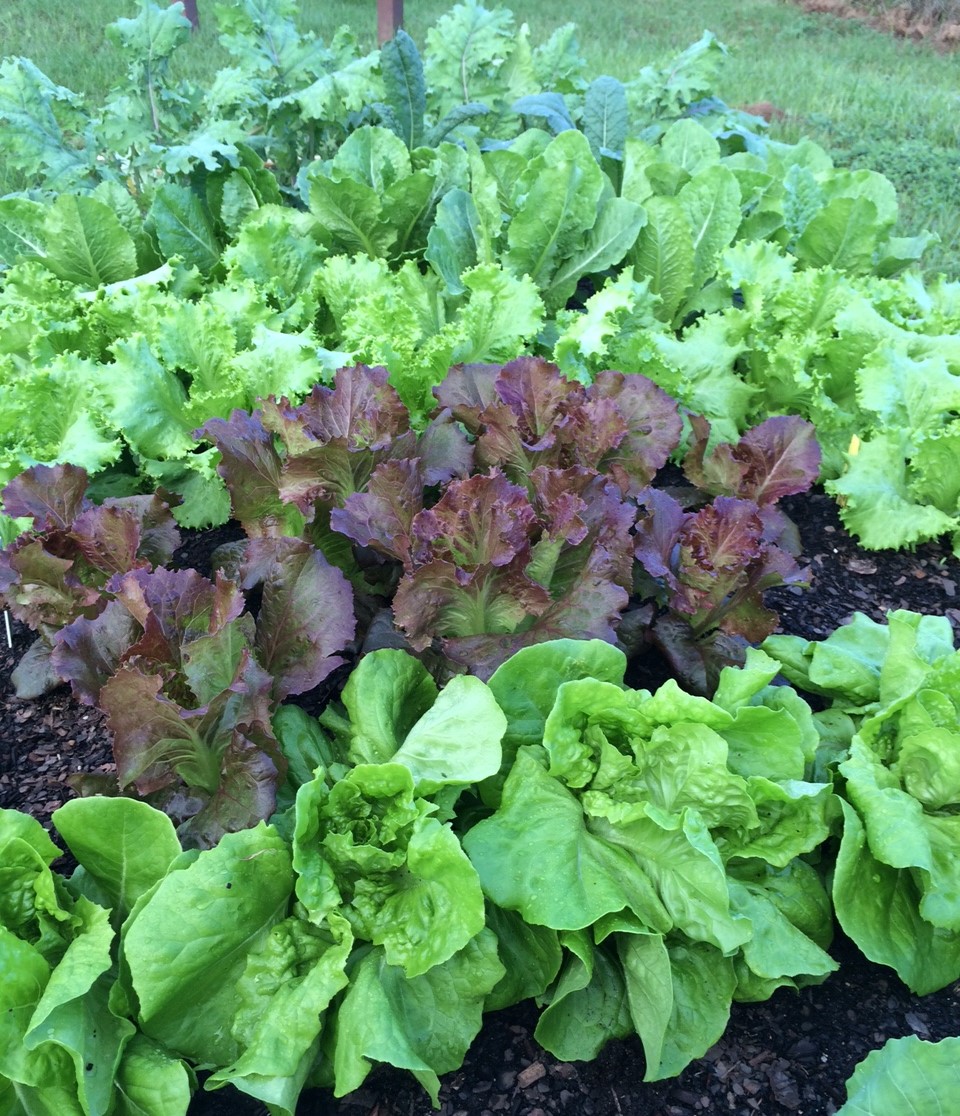
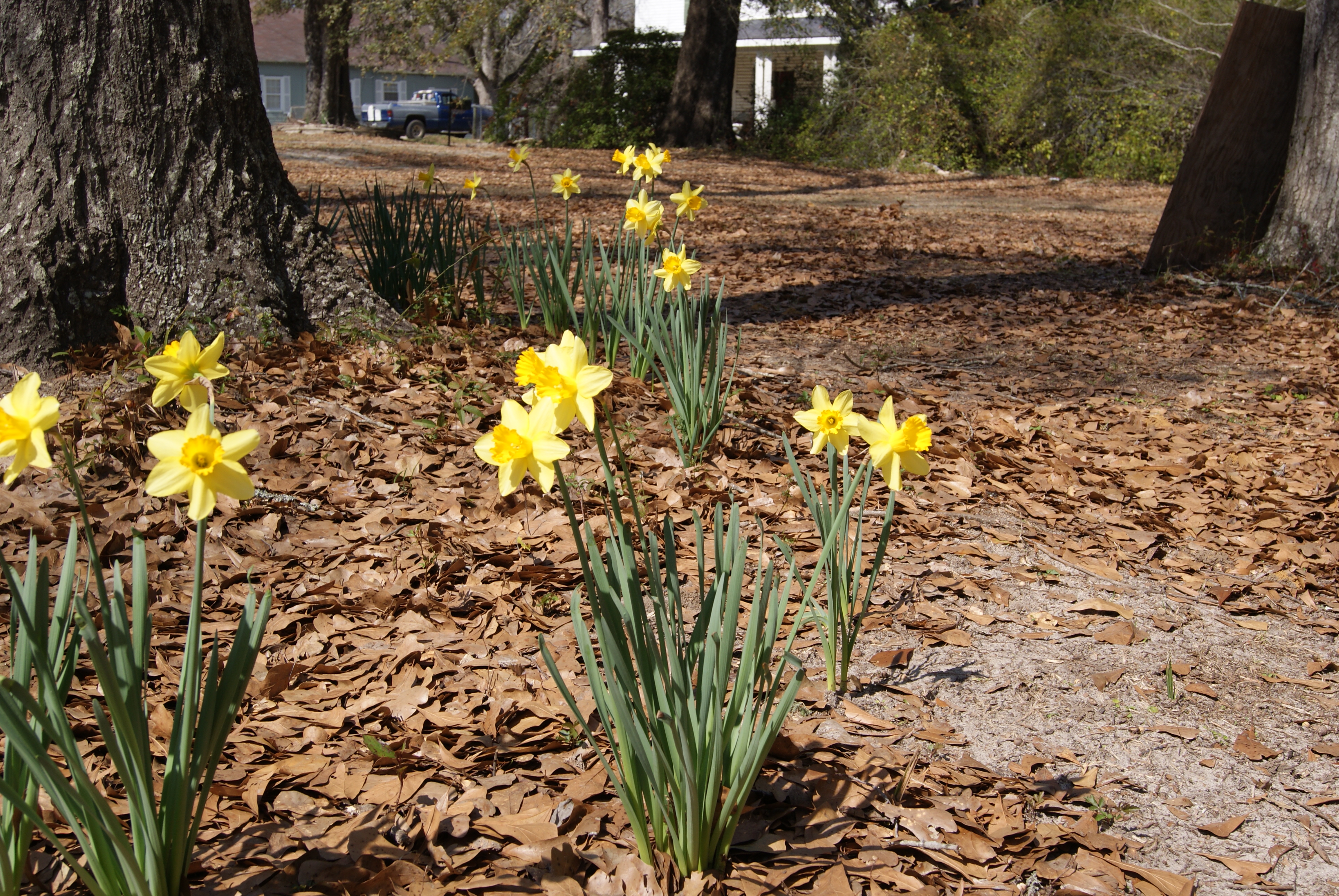
As October gets by us and November quickly approaches, I would like to include the preparation on What to Plant? And What to Do? Some great annual plant choices are digitalis (foxglove), petunias, and Shasta daisy. There are many daffodil bulb varieties for North Florida including the following: Carlton, Fortune, Silver Charms, Thalia, and Sweetness. We will be getting into more of the cooler days, so this is a good time to start bulb onions and salad crops such as arugula, lettuce, and spinach. Dill, fennel, oregano, and sage are all herbs that can be planted throughout the fall months.
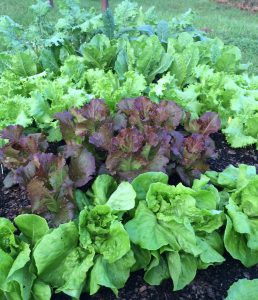
Start preparing now so your fall garden will be full of dark leafy greens, multi-colored lettuces, and root vegetables of all shapes and sizes. Photo by Molly Jameson.
In lawns there are a few key things that can be done in October. It is possible to control winter weeds before they appear. This is the time to use preemergent herbicides when nighttime temperatures are between 55-60 degrees Fahrenheit for four to five days in a row. If a green lawn is desired, you can overseed with annual ryegrass when the daytime temperatures are in the low 70s. Remember, the lawn will still need to be watered and mowed to maintain a healthy ryegrass. Watch for fungus like brown patch and large patch disease. This can become active when the soil temperature is between 65-75 degrees Fahrenheit.
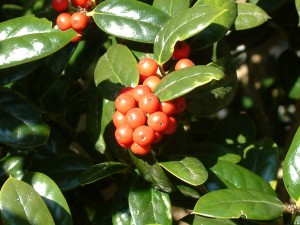
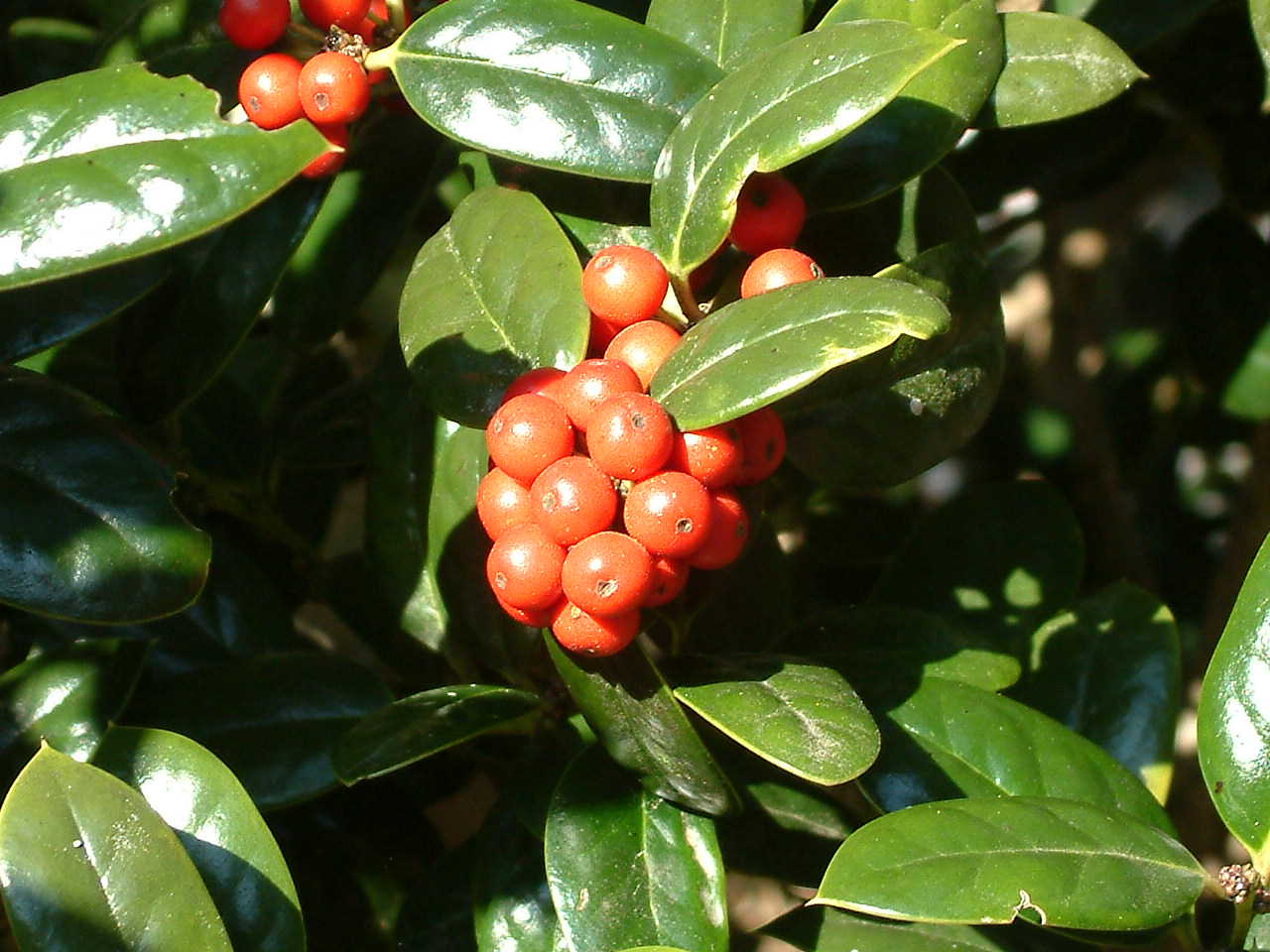
Hollies also attract bees to the landscape.
Credit: Beth Bolles, UF IFAS Extension Escambia County
And last but not least as you prepare for winter around the corner you can plant evergreen hollies that will make it through the cold and provide a splash of color with red berries. Gather pine needles that are dropping and use as a natural mulch, and this is the last month that strawberry plants can be established in a bed or a large container.
by Ashley Stonecipher | Aug 5, 2021
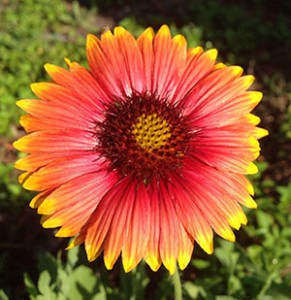
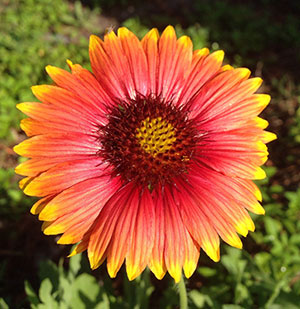
Native Gaillardia. Photo courtesy UF/IFAS.
The hottest days of the summer are here and you might be thinking, “There is no way something could survive this heat!”. You might also be wondering “What can I do in my landscape?” Well, you are correct – it is hot and there are not many plants that thrive in this type of weather, but the good news is we are at the end of the summer season and there are things we can begin to do to get ready for fall. It’s not too late to get the last of the summer vegetables going such as lima beans, cucumbers, eggplants, and peppers. Many cool season crops can also be planted by seed now and tomatoes will thrive going into the fall season. See Vegetable Gardening in Florida
There are some heat-tolerant annuals like vinca, gaillardia, bulbine, and coleus that can be planted now in the landscape. See Annuals. Any time of the year, even late summer, bulbs like Aztec Lily, Butterfly Lily, Walking Iris, and Spider Lily can be planted. See Bulbs for Florida. Not many herbs do well in our Florida sun this time of year, but Bay Laurel, Ginger, Mexican Tarragon, and Rosemary can be planted as transplants now but not as seeds just yet. See Herbs.
August and late summer is the time of year that you may be seeing damage in your lawns. This could be caused by insects, disease, or irrigation failure. It is important to determine the cause, so the proper remedy is used. Some ways to avoid lawn damage are checking your mower blades regularly and making sure they are sharp. Also only cut the top one third of the blade of grass to not stress it in the heat of the day. It is good practice to test your irrigation clock and have a rain sensor. Some municipalities in north Florida prohibit the application of fertilizer during the summer rainy season from June to September so check with your local extension office. See Insect Management in Your Florida Lawn
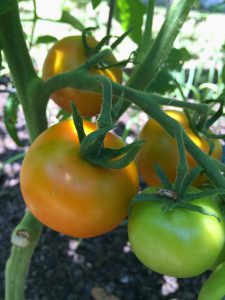
You can become more self-sufficient by growing your own healthy food in your backyard. Photo by Molly Jameson.
There are some other maintenance measures you can take in August to help your landscape and prepare for the fall season. If older palm fronds are yellowing, this could indicate a deficiency in magnesium or potassium. Talk to your local agent or visit your local store for an appropriate palm fertilizer. See Palm Nutrition and Fertilization. Are you holding on to those beautiful fall mums or decorative Christmas poinsettias? Now is the time to pinch them back to allow time for buds to set for winter blooms. Finally, it is a good time to deadhead (remove old blooms) and fertilize flowering annuals and perennials. We’ve had substantial rain this summer, so keep in mind that the soil could be lacking nutrients. A soil test can give you data that indicates what you need for the up-and-coming growing season.
Information for this article can be found in the UF/IFAS EDIS publication: “North Florida Gardening Calendar” by Sydney Park Brown: ENH1190/EP451: North Florida Gardening Calendar (ufl.edu)