
Aquaculture in North and South Carolina
North and South Carolina are next on our tour of aquaculture in the southern United States, and while they’re neighbors, their aquaculture stories couldn’t be more different. North Carolina is the undisputed trout powerhouse of the South, while South Carolina is just starting to reel in momentum of its own. From mountain streams to coastal waters, these bordering states offer two distinct climates, ecosystems, and approaches to aquaculture. Let’s take a closer look at how each one makes waves.
North Carolina
North Carolina’s aquaculture sector is a vital component of the state’s agricultural and coastal economies. The industry encompasses both freshwater and marine operations, ranging from small family-owned farms to larger commercial enterprises. North Carolina’s diverse climate and water resources support a variety of aquaculture activities, including food fish production, shellfish farming, and ornamental species cultivation.
Besides the typical aquacultured finfish species (catfish, tilapia, and hybrid striped bass), North Carolina is a leader in Rainbow Trout (Oncorhynchus mykiss) aquaculture in the South. Rainbow trout farms are found primarily in the western mountainous region of North Carolina, allowing farmers easy access to very cold, clean water. Rainbow trout are typically raised in a flow-through raceway system. A flow-through raceway aquaculture system is a setup where fresh, oxygen-rich water continuously flows through long, narrow tanks (raceways) that hold the fish. One interesting statistic is that even though 13 farms left the industry, the value of the crop increased (see chart below).
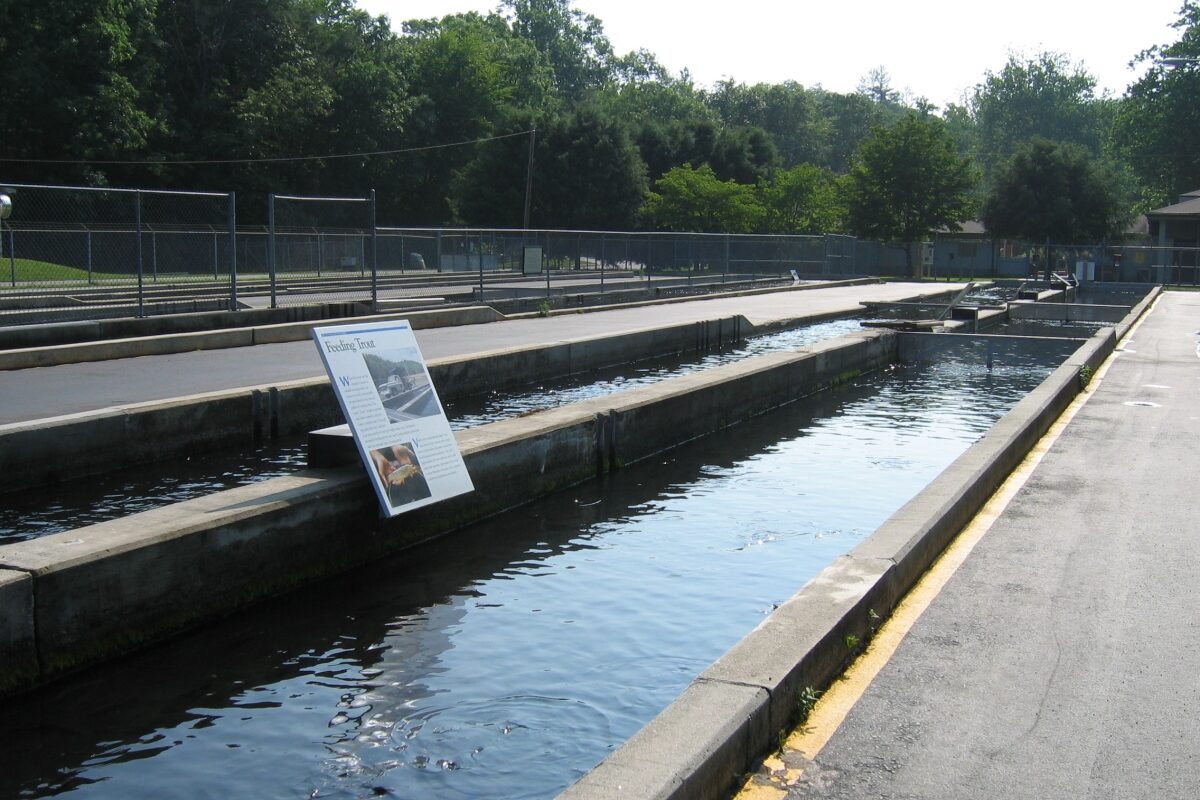
Bobby N. Setzer State Fish Hatchery – Carolina Outdoor Guide
North Carolina also has an up-and-coming Eastern Oyster (Crassostrea virginica) aquaculture industry. N. Sea. Oyster Company is an oyster farm located in the beautiful waters of Topsail Sound. One of their claims to fame is their “Divine Pines of Topsail Sound.” These oysters are a rare delicacy that can only be found in certain parts of the world during a certain time of the year. The gills of the oyster become bright green due to the presence of a blue-green diatom in the water that the oyster consumes, and the taste changes as well (Green Gilled Oysters).
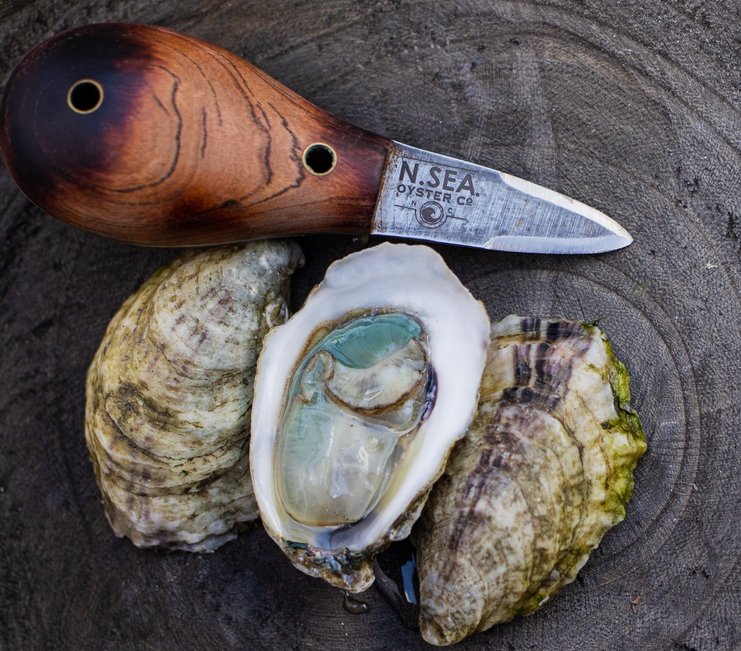
N. Sea Oyster Co. Divine Pines with Green Gills – N. Sea Oyster Co.
North Carolina is supported by several key institutions advancing aquaculture research, education, and industry development. North Carolina State University (NCSU) leads studies in fish health, nutrition, and production, while the University of North Carolina Wilmington (UNCW) contributes expertise in marine aquaculture, shellfish biology, and coastal ecosystem management. North Carolina Sea Grant complements these efforts by providing research, education, and outreach focused on aquaculture innovation, sustainability, and business development, and the North Carolina Department of Agriculture and Consumer Services supports industry growth and regulatory compliance through its Aquaculture Division.
| North Carolina Aquaculture | ||||||
| Category | 2017 Farms | 2017 Value* | 2023 Farms | 2023 Value* | +/- Farms | +/- Value |
| Catfish | 31 | $4,462 | 16 | $2,031 | -15 | -$2,431 |
| Trout | 49 | $11,753 | 36 | $13,186 | -13 | $1,433 |
| Other Food Fish | 29 | $11,323 | 32 | $11,296 | 3 | -$27 |
| Baitfish | 6 | $159 | 6 | $24 | 0 | -$135 |
| Crustaceans | 8 | $112 | 8 | $37 | 0 | -$75 |
| Mollusks | 38 | $1,568 | 45 | $2,278 | 7 | $710 |
| Ornamental Fish | 25 | $112 | 9 | $76 | -16 | -$36 |
| Sport/Gamefish | 18 | $1,004 | 15 | $3,199 | -3 | $2,195 |
| Other Aquaculture | 7 | $454 | 2 | (D) | -5 | – |
| Total | 211 | $30,947 | 169 | $32,127 | -42 | $1,180 |
*= x 1,000
South Carolina
South Carolina’s aquaculture industry is characterized by its strong emphasis on marine and coastal species, as well as a growing interest in freshwater production. The state’s favorable climate, extensive coastline, and estuarine environments provide ideal conditions for shellfish and finfish farming. Aquaculture contributes to seafood supply, recreational fisheries, and environmental restoration efforts.
Shellfish and shrimp aquaculture are the flagship species for South Carolina. White Shrimp (Litopenaeus setiferus) aquaculture has been an emerging species and is typically farmed in low salinity, inland ponds. These shrimp grow fast and can reach harvest size in 4-6 months in ideal conditions. On the shellfish side, Eastern Oysters and clams (Mercenaria mercenaria) are the top farmed species in the state. Oyster farming is central to both commercial and restoration activities in South Carolina, while the clam industry supports both local and non-local seafood markets.
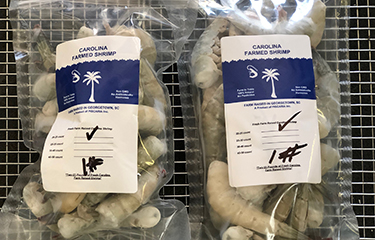
Farmed South Carolina Shrimp – Seafood Source
As with most states in the South, South Carolina has a finfish aquaculture sector, specializing in Channel Catfish (Ictalurus punctatus) and Hybrid Striped Bass (Morone chrysops x Morone saxatilis). Both species are usually grown in inland ponds and are used for the commercial food industry and the sportfish industry (pond stocking).
South Carolina’s aquaculture efforts are supported by several key institutions. Clemson University conducts research on fish health, production technologies, and environmental interactions through its Aquaculture and Fisheries Program, while the South Carolina Department of Natural Resources supports shellfish restoration, stock enhancement, and aquaculture development via its Marine Resources Division. The University of South Carolina contributes research focused on water quality and marine organism biology, and the South Carolina Sea Grant Consortium strengthens the industry through research, outreach, and workforce development.
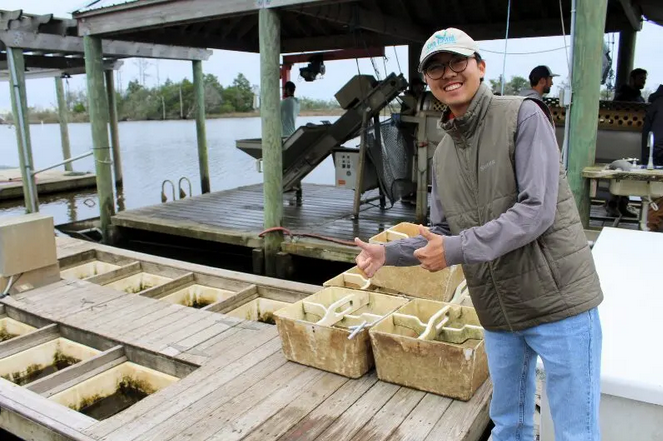
Sea Grant Agent Joshua Kim on a Floating Upweller System (FLUPSY) – SC Sea Grant
| South Carolina Aquaculture | ||||||
| Category | 2017 Farms | 2017 Value* | 2023 Farms | 2023 Value* | +/- Farms | +/- Value |
| Catfish | 10 | (D) | 8 | $292 | -2 | – |
| Trout | 1 | (D) | 5 | (D) | 4 | – |
| Other Food Fish | 9 | (D) | 6 | $3 | -3 | – |
| Baitfish | 1 | (D) | 5 | $1 | 4 | – |
| Crustaceans | 16 | $616 | 9 | $101 | -7 | -$515 |
| Mollusks | 15 | $2,525 | 16 | $29,613 | 1 | $27,088 |
| Ornamental Fish | 4 | (D) | 6 | $161 | 2 | – |
| Sport/Gamefish | 16 | $1,296 | 21 | $3,137 | 5 | $1,841 |
| Other Aquaculture | 2 | (D) | 0 | $0 | -2 | – |
| Total | 74 | $4,437 | 76 | $33,308 | 2 | $28,871 |
* = x1,000
Conclusion
Aquaculture in North Carolina and South Carolina exhibits distinct strengths shaped by regional resources, species diversity, and institutional support. North Carolina’s industry leans toward freshwater and hybrid species, while South Carolina excels in marine and shellfish aquaculture. Both states benefit from active research institutions that drive innovation, sustainability, and economic growth in the sector. Continued collaboration and investment in research will be key to advancing aquaculture across the Carolinas.
Next Up – Tennessee and Texas!
References:
North Carolina Aquaculture Census
South Carolina Aquaculture Census

- Bring Some Wild Game To Your Holiday Dinner - December 15, 2025
- Aquaculture in the Southern United States: Part 5 – North and South Carolina - December 8, 2025
- Aquaculture in the Southern United States: Part 4-Louisiana & Mississippi - October 29, 2025