Cool Season Annual Herbs to Plant in December
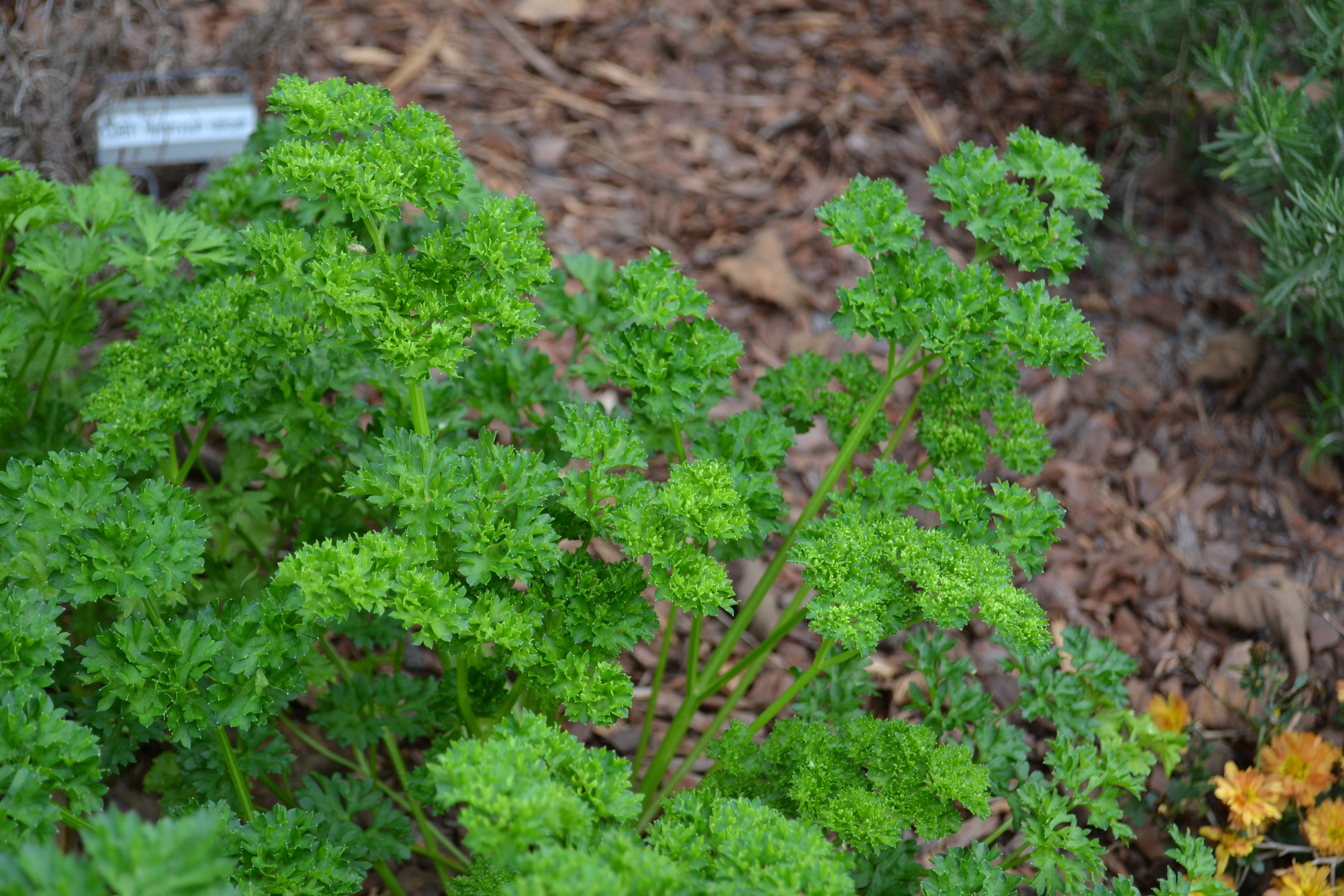
Parsley establishes well in late fall and provides steady harvests throughout the winter. Photo by Molly Jameson.
Cool Season Annual Herbs to Plant in December
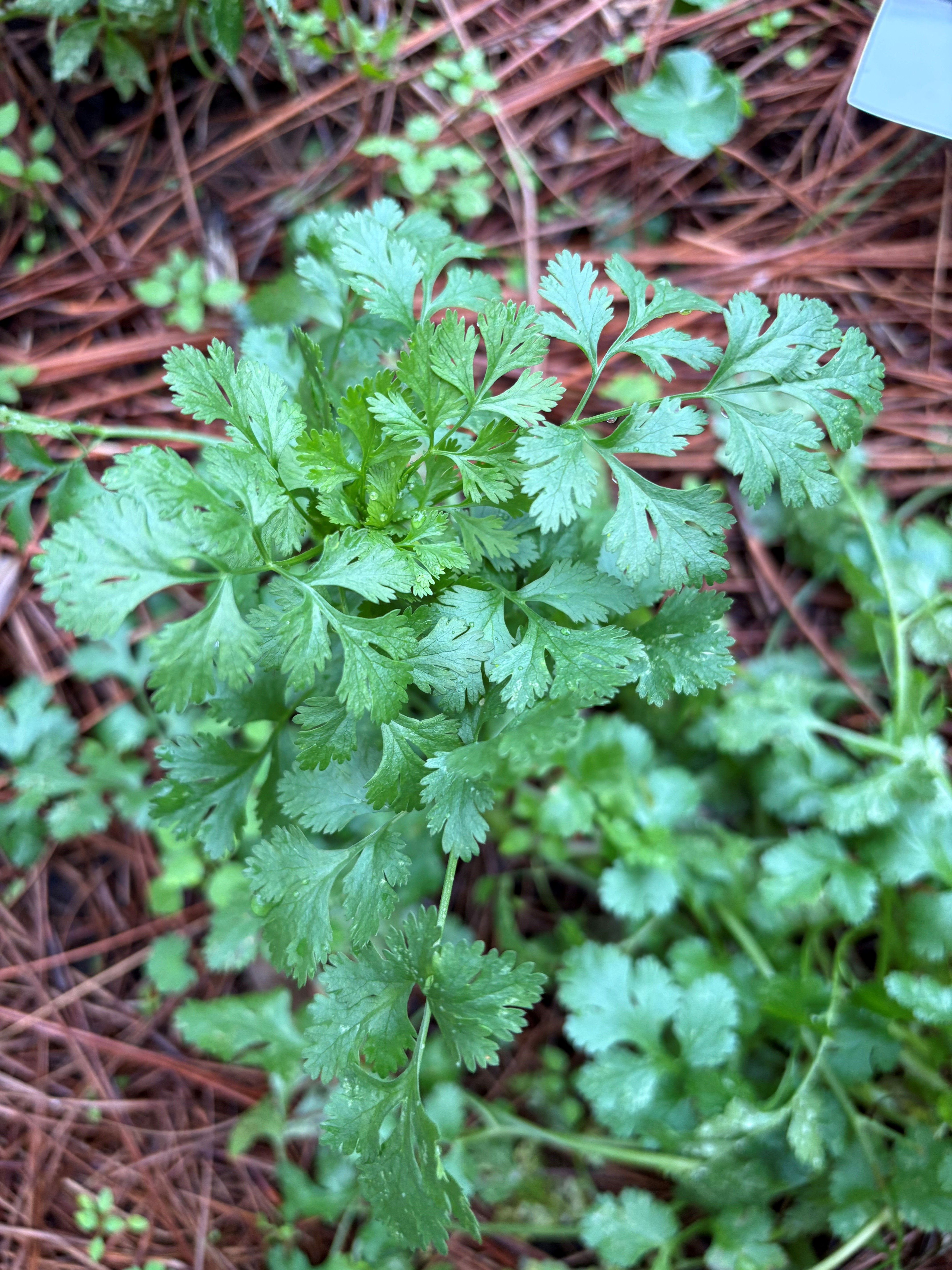
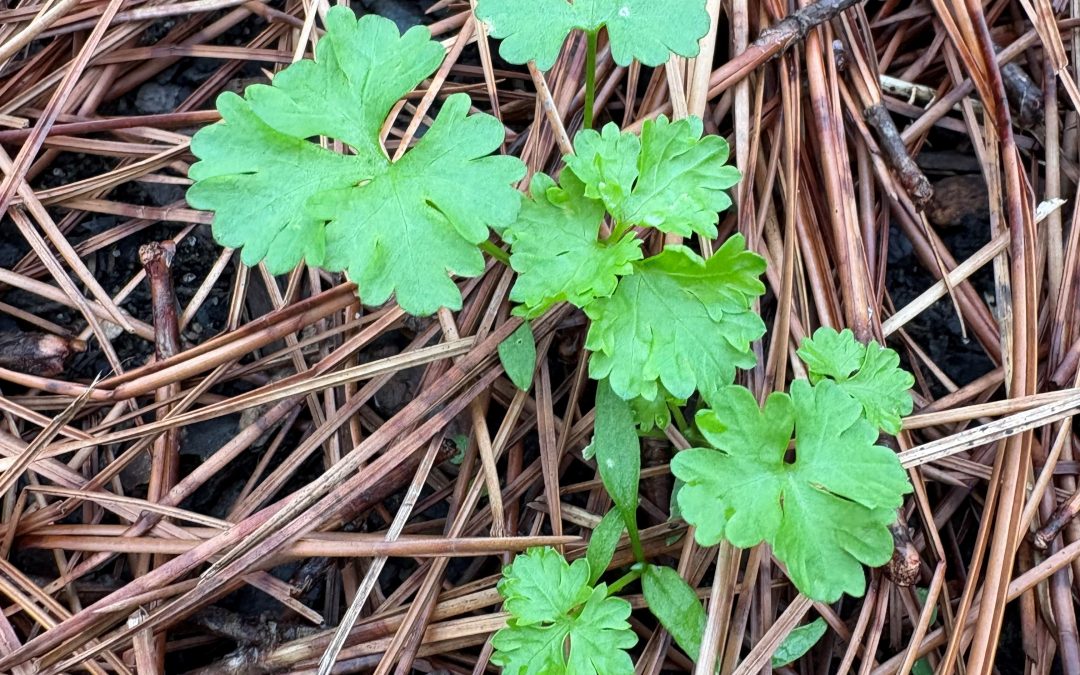
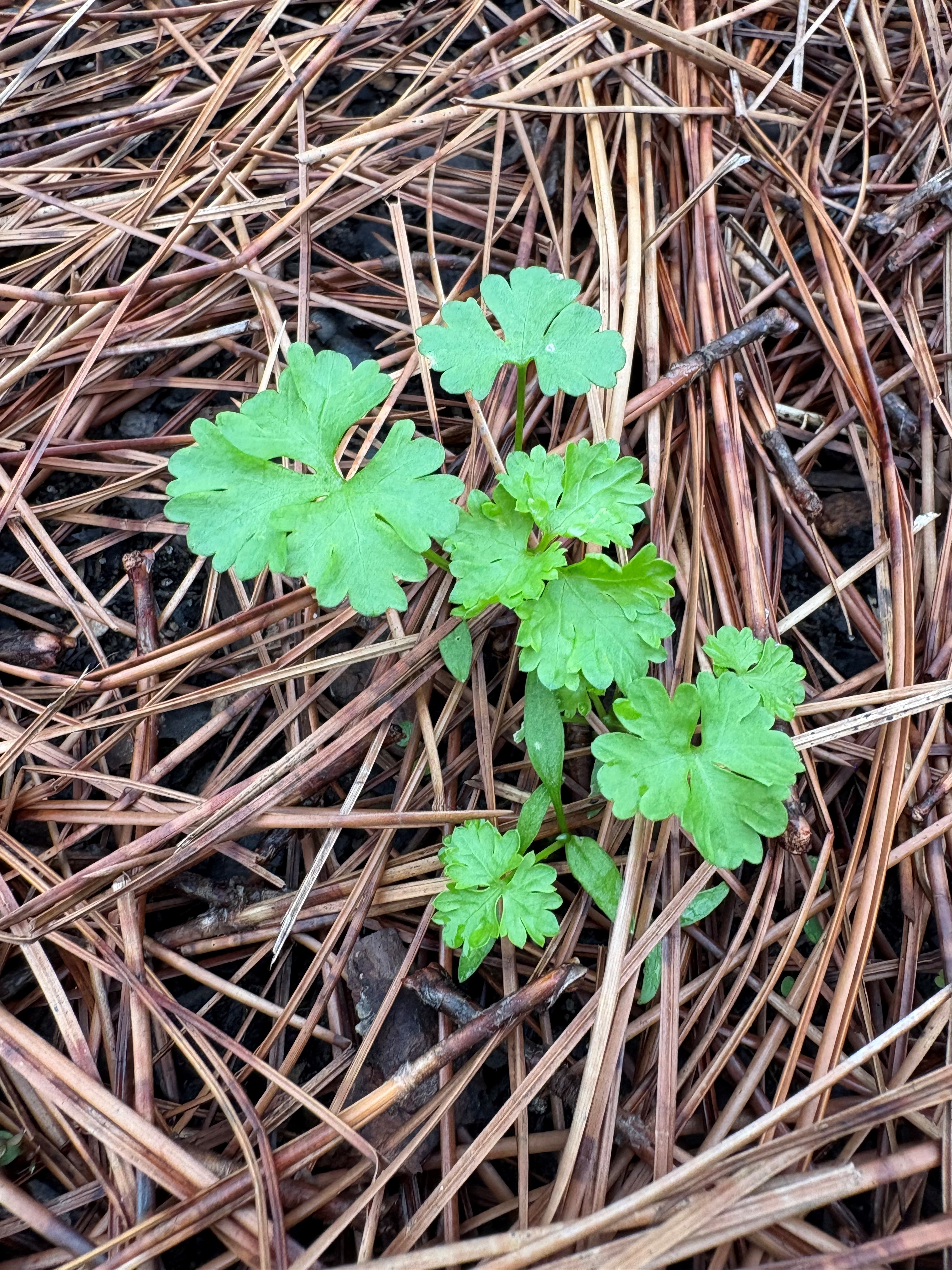
Cool-season cilantro grows quickly in mild weather and benefits from regular harvesting. Photo by Molly Jameson.
Winter might seem like the quiet season in the garden, but for cool-season herbs, it’s the time they settle in and really show off. While tomatoes and peppers and other warm-season crops may have succumbed to our first cold snaps, many herbs absolutely love the mild, bright, chilly weather we get from December through early spring.
If you’re itching to plant something right now, annual herbs are one of the easiest ways to keep the garden feeling lively through the colder months.
Cilantro (Coriandrum sativum)
Cilantro is one of the most reliable herbs you can grow in winter. It thrives in cool temperatures and short days, which makes December an excellent time to plant. You can scatter the seeds directly into containers or a raised bed, thin seedlings to six to eight inches apart, and harvest regularly to keep them producing.
Once warmer days return, cilantro will bolt and complete its life cycle, but that’s not always a bad thing. If you let the plants go to seed, the little green fruits ripen into the familiar brown coriander seeds. They’re useful in the kitchen, and you can save a handful to start next year’s crop.
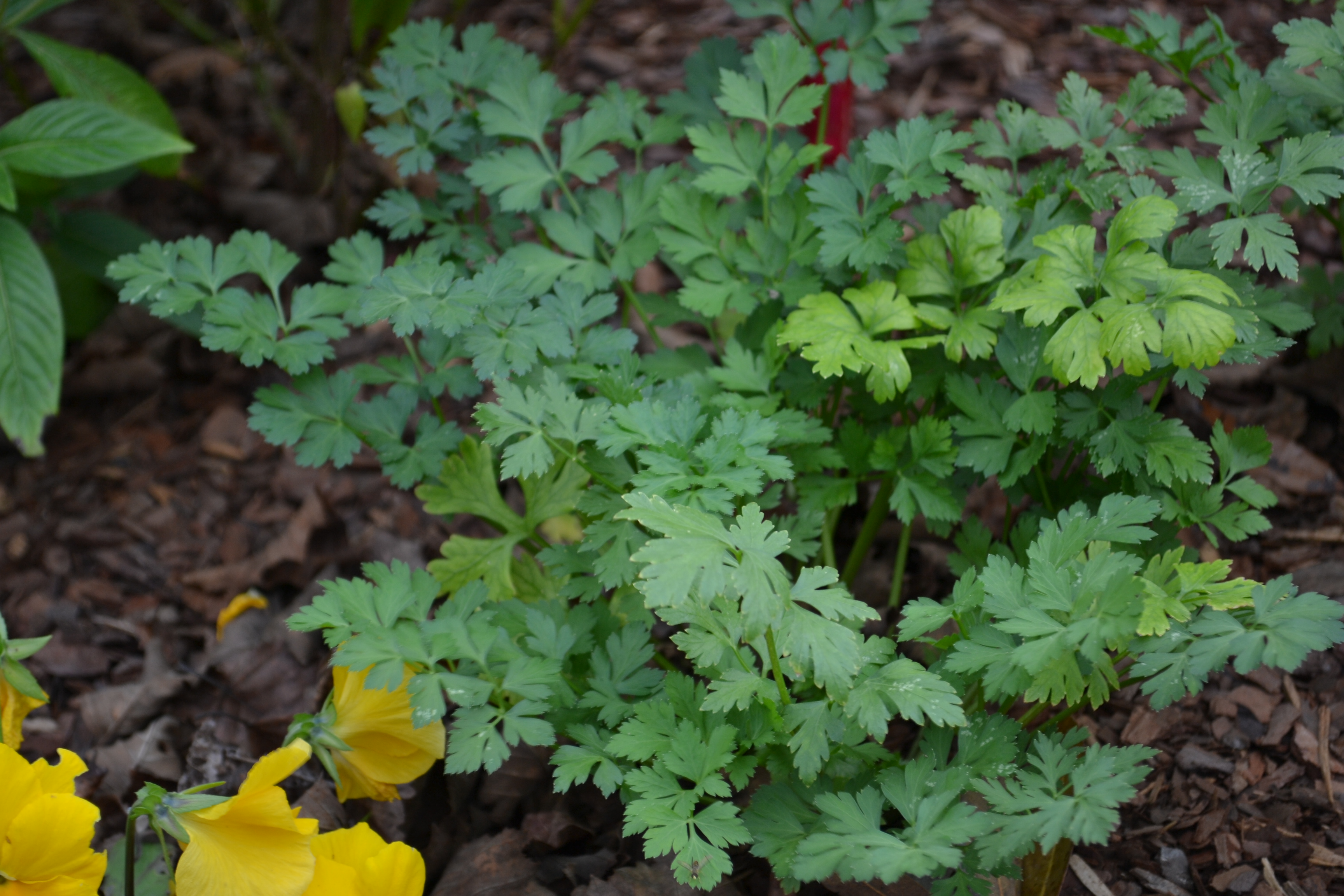
Parsley (Petroselinum crispum)
Parsley is technically a biennial, but here in Florida, we treat it as a winter annual. Plant it in late fall and it usually settles in without much complaint, producing a steady mound of leaves you can snip all season. Flat-leaf parsley tends to have stronger flavor, while curly parsley is often used as a garnish, though both types are perfectly good in salads, sauces, and soups.
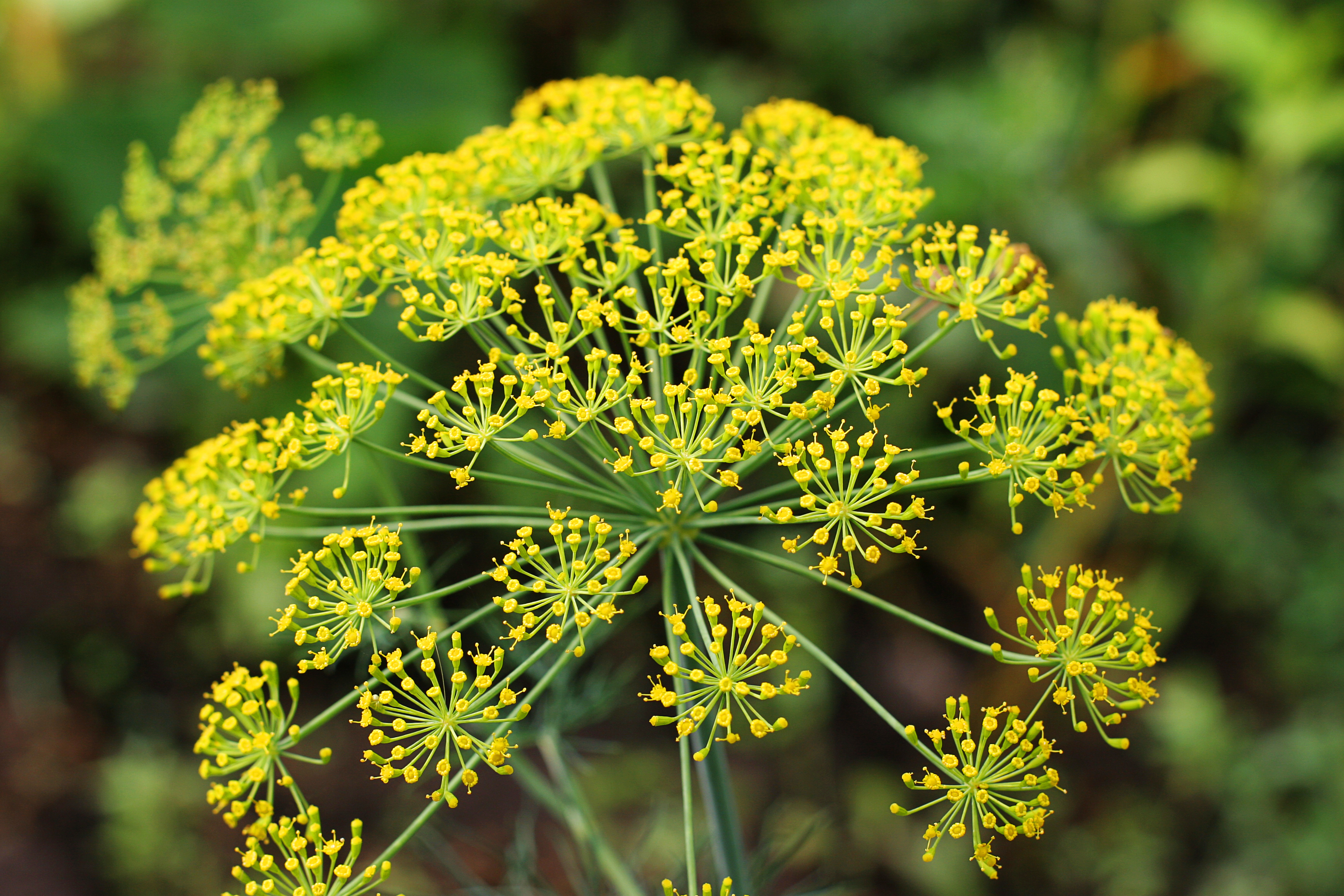
Dill produces umbrella-shaped clusters of tiny yellow flowers that attract pollinators. Photo by Irina Khomenko, Adobe Stock.
Give parsley sun or light shade and soil that doesn’t dry out too quickly. By the time the weather starts warming again, it naturally shifts its energy toward flowering, which signals the end of its leafy season.
Dill (Anethum graveolens)
Dill is one of those herbs you can spot from across the garden thanks to its fine, feathery texture. The scent alone makes it worth growing. The leaves, stems, and seeds all bring that familiar dill flavor to roasted vegetables, yogurt dips, potatoes, and seafood. The plants can stretch surprisingly tall if they’re happy, especially once the yellow flower heads start forming seeds.
And as long as the weather stays cool, dill usually keeps right on going. Give it a sunny spot with well-drained soil, and you’ll be harvesting for months. Like parsley and fennel, it also draws black swallowtail caterpillars. Many gardeners plant a little extra simply because the payoff – a few bright swallowtails drifting through the garden – is worth sharing.
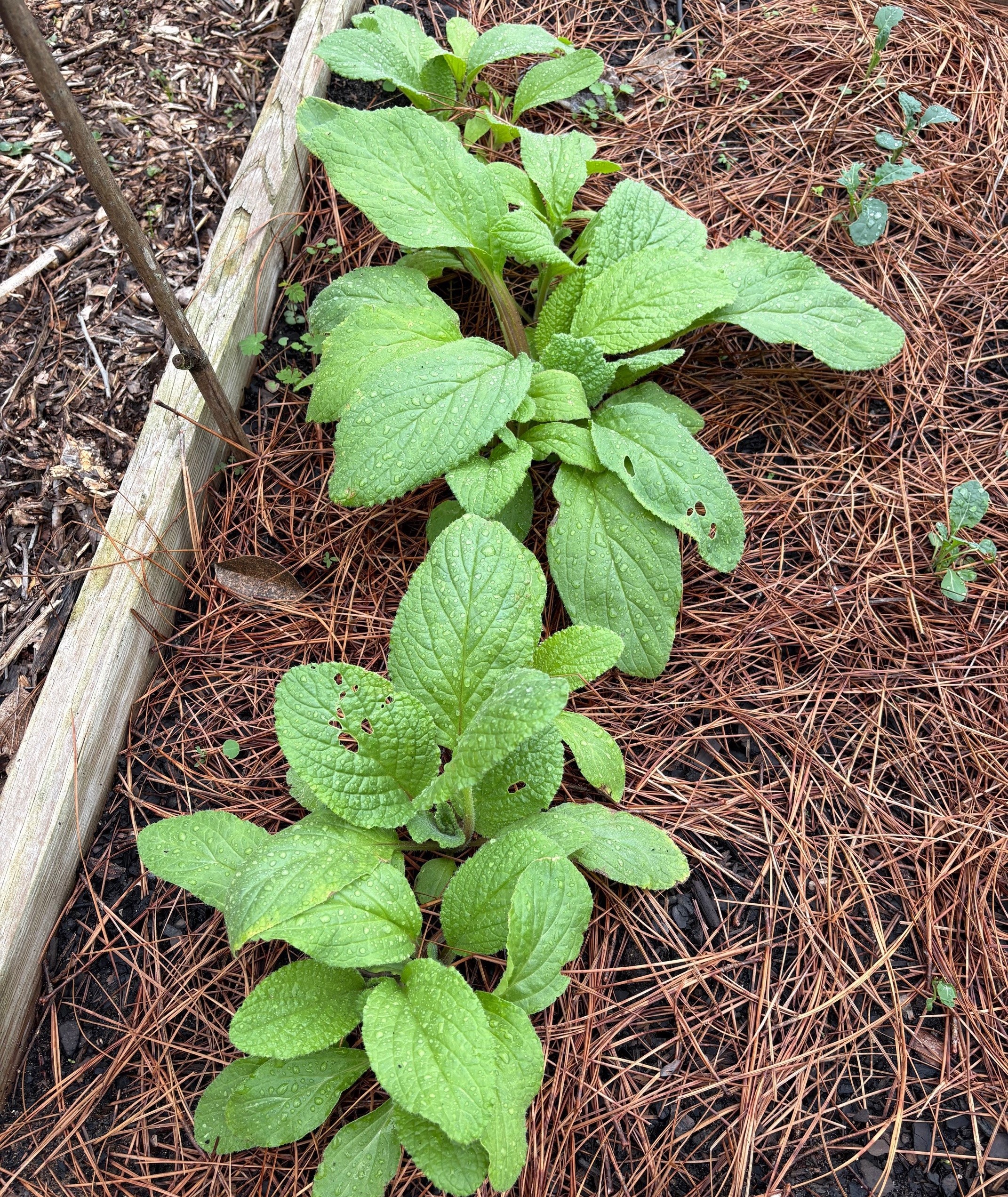
Borage produces edible leaves and flowers throughout the winter. Photo by Molly Jameson.
Borage (Borago officinalis)
Borage isn’t as widely grown as some of the other herbs here, but it’s one of the more charming additions to a winter bed. The leaves have a faint cucumber scent, and the blue, star-shaped flowers look like something out of a fairytale. Both are edible, and the flowers especially tend to disappear quickly into salads or iced drinks once you start using them. Bees seem to find borage immediately, even on cool days, and it often reseeds itself in the same spot for years.
It doesn’t ask for much – sun, a bit of space, and soil that drains reasonably well. Coming from the Mediterranean, it handles dry weather and even deer browsing better than many soft-leaved herbs.
Chervil (Anthriscus cerefolium)
Chervil, sometimes called French parsley, is a delicate, ferny herb with a mild anise flavor that’s perfect for winter cooking. It’s one of those herbs you want to use fresh – just toss a handful in at the end of cooking and it melts right into whatever you’re making. A few specialty forms even produce edible roots similar to small carrots, though the leafy types are what you’ll most often see.
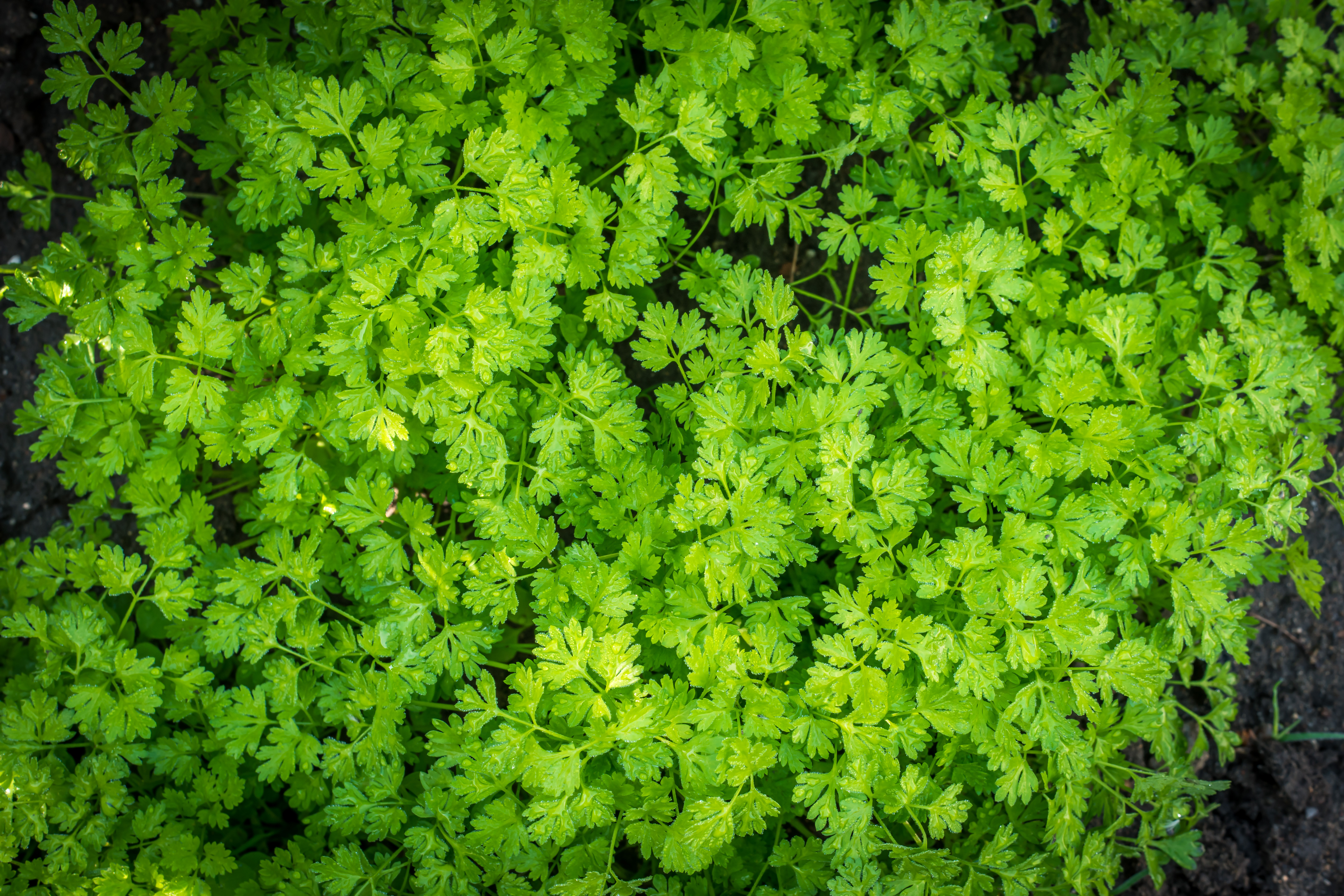
Chervil’s delicate, fern-like leaves thrive in cool weather. Photo by Jiri D., Adobe Stock.
Chervil grows best in full to part sun with rich, moist soil, and it handles cold weather well. Warm temperatures, however, will quickly cause it to bolt and turn bitter, so winter is the ideal window for growing it here.
Lavender (Lavandula spp.)
Lavender always seems to lend a sense of calm to a garden. Most of us know it for the soothing scent used in soaps, lotions, and oils, but it’s also showing up more often in the kitchen. A tiny pinch can add a gentle floral note to pastries, syrups, jams, or a cup of tea.
Because it evolved in the dry hills of the western Mediterranean, lavender appreciates our winter weather far more than our humid summers. Spanish and French types generally handle our climate better than the classic English lavender, but be sure to give it the right conditions, including full sun, well-drained soil, and good air movement.
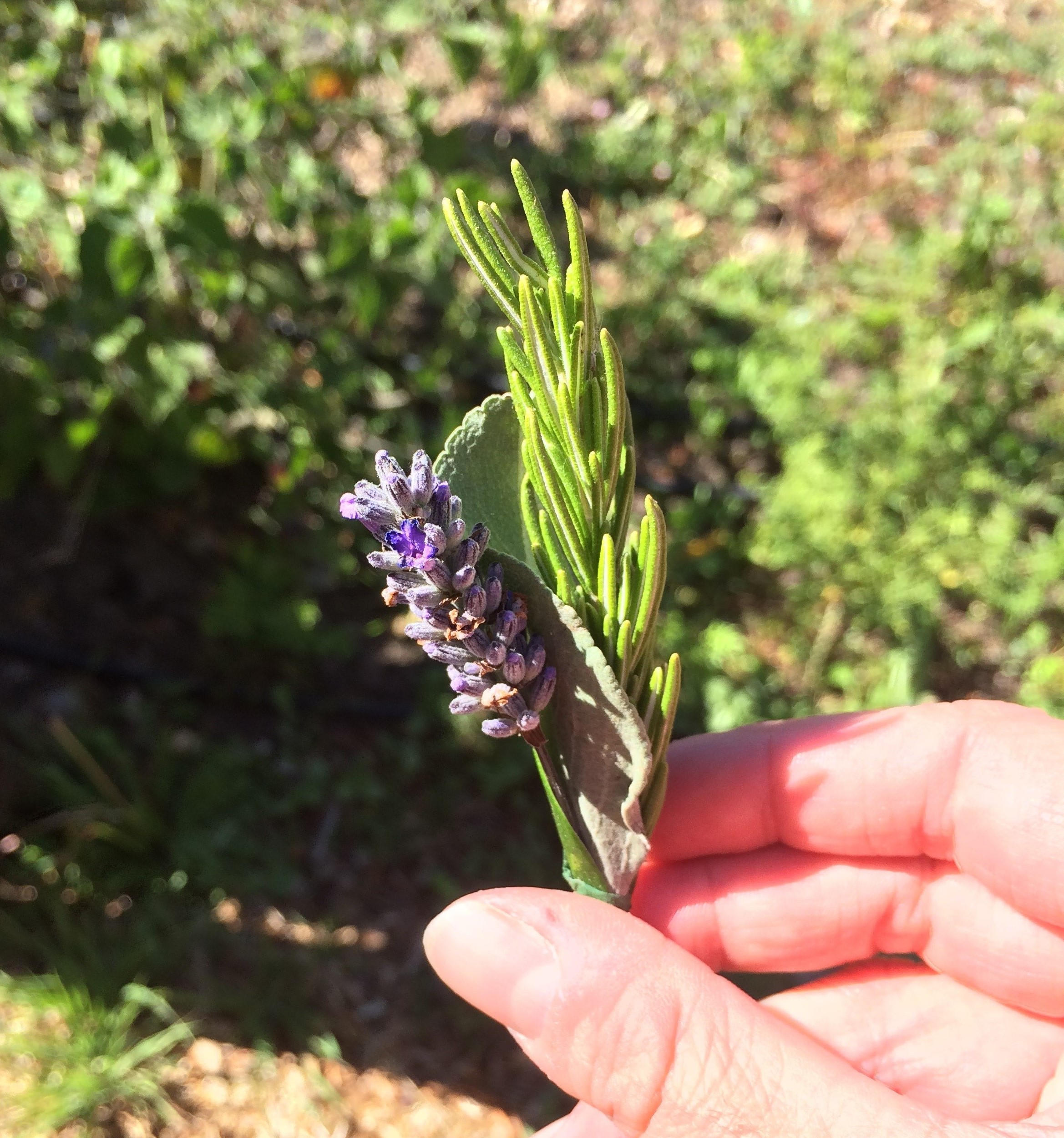
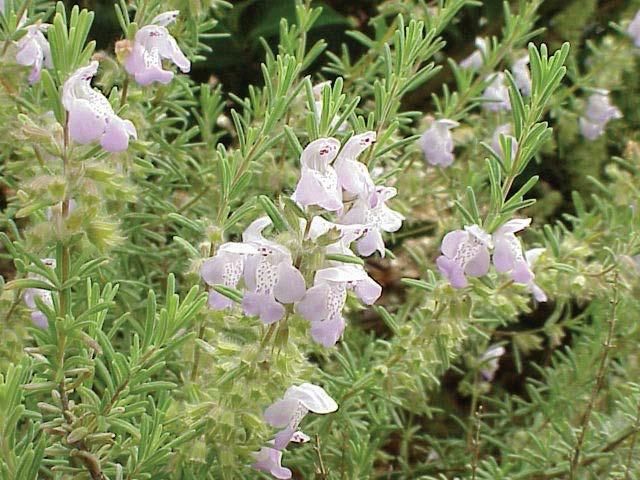
Spanish lavender blooms during Florida’s cool season and pairs well with rosemary in the kitchen. Photo by Molly Jameson.
Water lavender lightly as it settles in, then let the soil dry between waterings. Once established, it is one of those plants you end up brushing against every time you pass it, simply to enjoy the fragrance.
Fennel (Foeniculum vulgare)
Fennel is both ornamental and practical. The feathery foliage brings a soft, airy look to winter beds, and the flavor of the fronds works beautifully with citrus, fish, or hearty winter salads. If you let fennel grow tall, it eventually produces large umbrella-shaped flower clusters that draw in pollinators and later ripen into seeds you can use in the kitchen.
Most gardeners grow the non-bulbing type for its foliage, though bulb fennel can be planted in early winter if you want to experiment. Like dill and parsley, fennel is a host plant for black swallowtail caterpillars, so it’s worth planting extra if you enjoy watching the full butterfly life cycle. Fennel grows best in full sun with well-drained soil.
Growing Tips for Winter Herbs
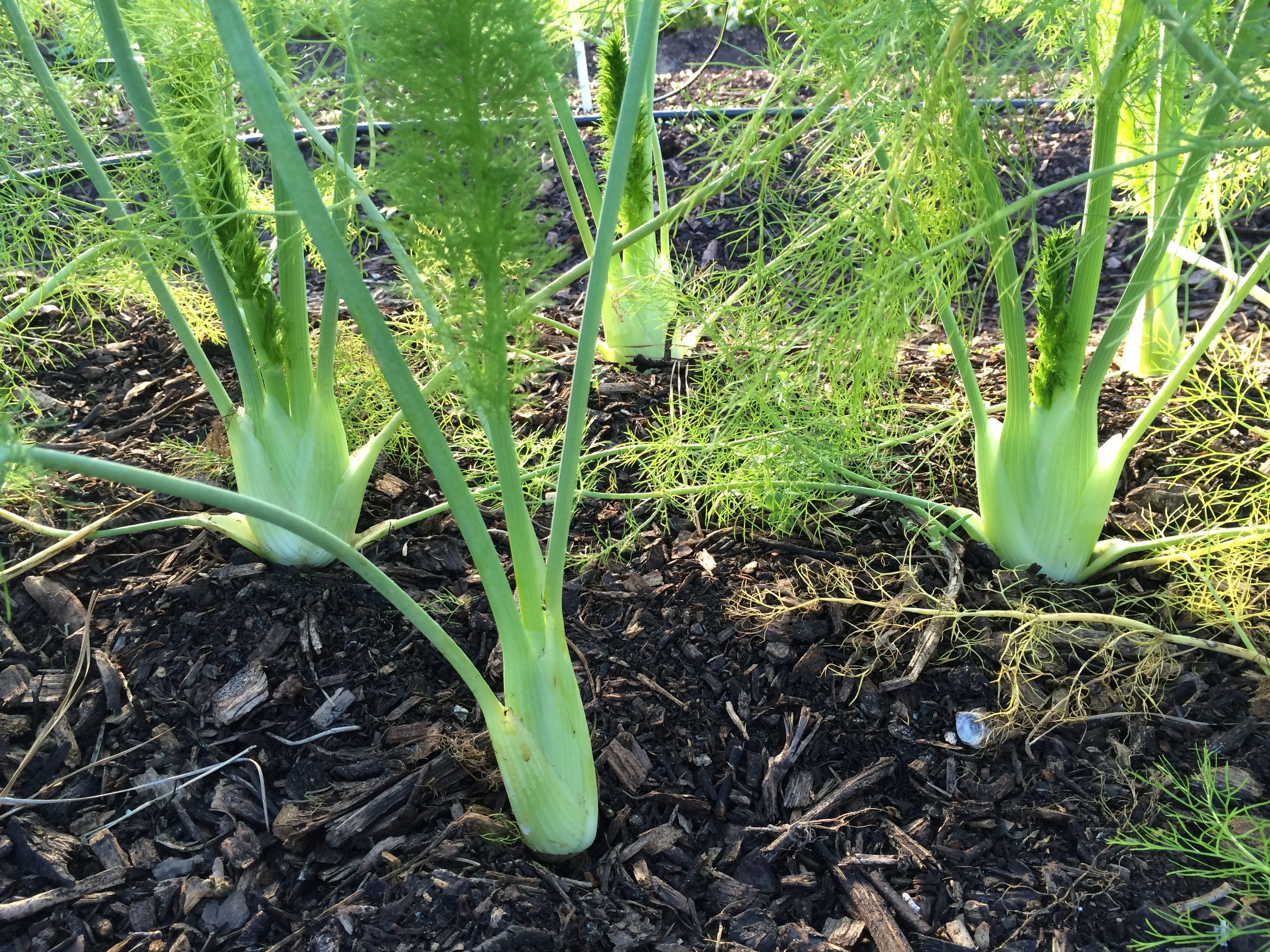
Fennel grows well in the cool months, producing feathery foliage and sweet, anise-flavored fronds. Photo by Molly Jameson.
Our winter sun is gentle enough that most herbs appreciate as much light as you can give them. Containers and raised beds work well because they drain quickly, which is important for almost all cool-season herbs. Keep soil evenly moist, and on nights with hard freezes (less than 28°F for over an hour), a light sheet or frost cloth over young plants offers protection. Most of these herbs will rebound quickly after brief cold snaps.
Cool-season herbs are some of the easiest plants you can grow this time of year. They’re fast, flavorful, and usually much less bothered by pests or disease than anything you grow in summer.
A few pots of cilantro, parsley, dill, borage, chervil, lavender, or fennel can brighten up both your meals and your garden all the way to spring.