With cold temperatures having arrived in the Panhandle last week, we’re finally getting close to prime landscape planting season. But why is winter the best time to install landscape trees and shrubs? Shouldn’t we plant when things are leafed out and growing? While it’s counterintuitive to think bitter cold, dreary days are significantly better to plant landscape plants in than the warm, sunny days of summer, it’s usually true! Let’s explore why winter is the time to plant woody trees and shrubs and then look at some of the best woody plants no Panhandle landscape should be without.
Most people from elsewhere think that Florida is always lush, green, and tropical. Those people have clearly never been to the Panhandle – heck it snowed last year! Our region of Florida has more in common, climate wise, with the rest of the south – subtropical with long hot, humid summers and wet, mild winters (though rain has been hard to come by recently), occasionally wracked by intense cold fronts. Because of those cold fronts, tropical plants cannot survive, and woody plants enter a dormant stage where above ground growth ceases. This cold-forced dormant season is the perfect time to plant woody plants because the planting process is stressful (the root system is purposefully damaged to remove circling and J-shaped roots and encourage outward growth) and regular rainfall and cool temps means conditions are right for plants to get a solid root system re-established before growth and transpiration begins in the heat of spring/summer.
Now that you know why we plant woody landscape plants when we do, let’s select a few quintessential, versatile Florida-Friendly trees and shrubs (2 each, one native and one non-native) to install in our landscapes this planting season.
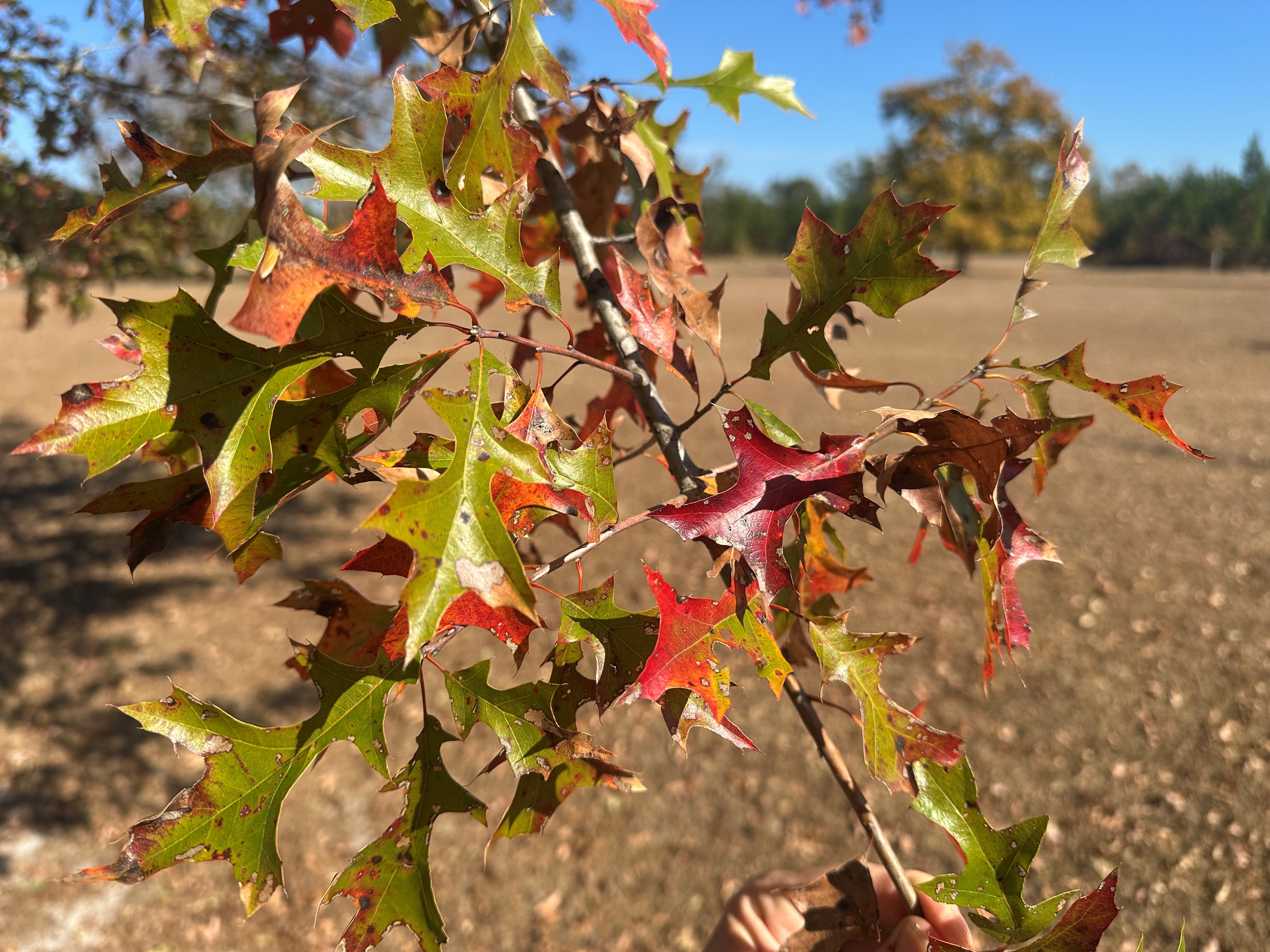
Nuttall Oak (Quercus texana) is one of the most adaptable landscape trees around. The species is tolerant of many soil types, native to moist bottomland areas but tolerating drier spots well once established. While it’s a large tree – up to 70-80’ tall, I find its rounded upright habit to often be more in scale with landscapes than the wide spreading Live Oak (Quercus virginiana). Nuttall Oak certainly has many positive attributes (tough, wind-resistant, pollinator friendly, etc), but its fall color is probably my favorite. For the Panhandle it is quite good, delivering autumnal hues of red and orange.
It’s not North Carolina Sugar Maple color but Nuttall Oak possesses attractive foliage. Photo courtesy of Daniel Leonard.
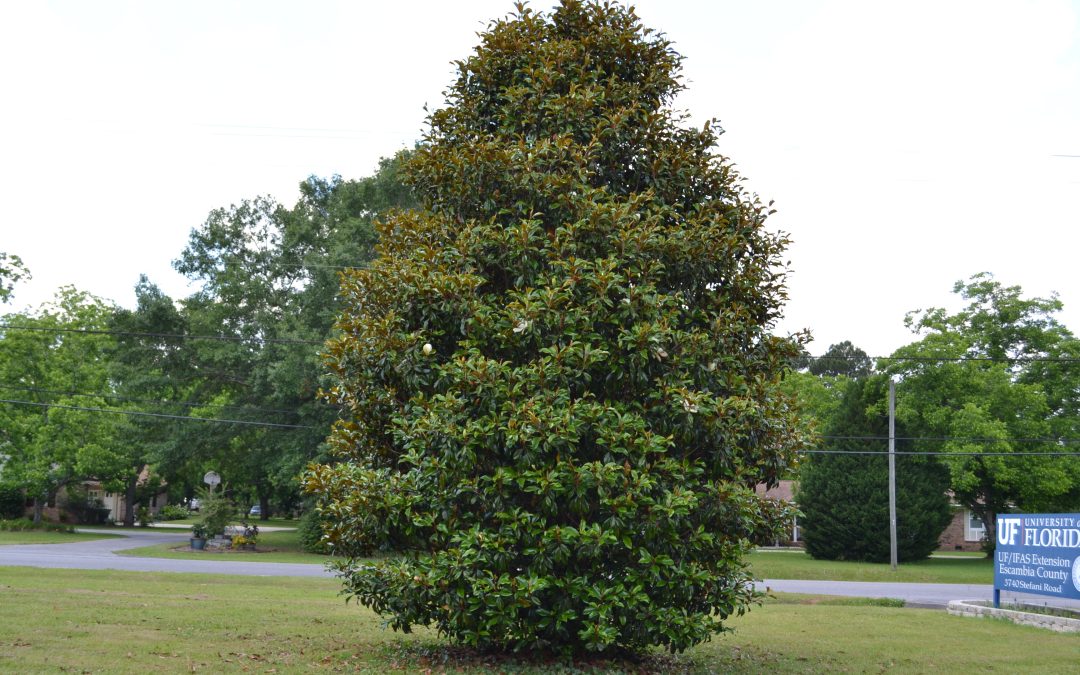
Crape Myrtle (Lagerstroemia indica) is the most widely grown landscape tree in the South for good reason! They’re tough, widely adapted, offer excellent summertime flower displays, and possess interesting architecture and unique bark. The primary consideration with Crape Myrtle is simply picking the right one. Do you need an upright, compact tree? Choose ‘Sioux’ or ‘Apalachee’. Do you want a big crape that can double as a small shade tree? Choose ‘Natchez’ or ‘Muskogee’. Do you want a new dwarf variety or one with black foliage? There’s now plenty of those to choose from as well. There’s truly a Crape Myrtle for every yard.
Oakleaf Hydrangea (Hydrangea quercifolia) is a wonderful native flowering deciduous shrub that’s at home in all Panhandle landscapes. It prefers moist soil with a little afternoon shade but can tolerate most conditions thrown at it. Growing 5-7’ in height, sporting footlong white flower panicles each summer, and beautiful foliage each fall, Oakleaf Hydrangea is a must. You can find unnamed seedlings of the species or look for named varieties such as ‘Snow Queen’, ‘Semmes Beauty’, and ‘Alice’. In my experience, you can’t go wrong with any of them.
Camellia Sasanqua is without a doubt my favorite fall flowering shrub. Impossibly durable (it’s common to find specimens over 100 years old), incredibly beautiful in flower and form, and coming in all shapes, sizes, and flower color, a Sasanqua of some kind belongs in ever yard. A few of my favorites are ‘Leslie Ann’ (upright form, white/pink bicolored flowers), ‘Shi Shi Gashira’ (dwarf that makes an excellent informal hedge), and ‘Yuletide’ (compact plant with red flowers & showy gold stamens).
So, as the weather continues to be mild with those cold front swings occasionally and rain begins to be more regular, think about getting some woody trees and shrubs planted into your landscape this winter. Keep in mind the excellent above selections and be sure to check out the Florida-Friendly Landscaping Plant Guide for more possibilities! Happy Gardening!
Talking about a live oak might bring to mind pictures of grand, old, stately trees, limbs dripping with Spanish moss. The Southern live oak is a staple of the coastal south, but it prefers to live inland from our beaches. It leaves the salt-sprayed beach sand to its cousin, the sand live oak.
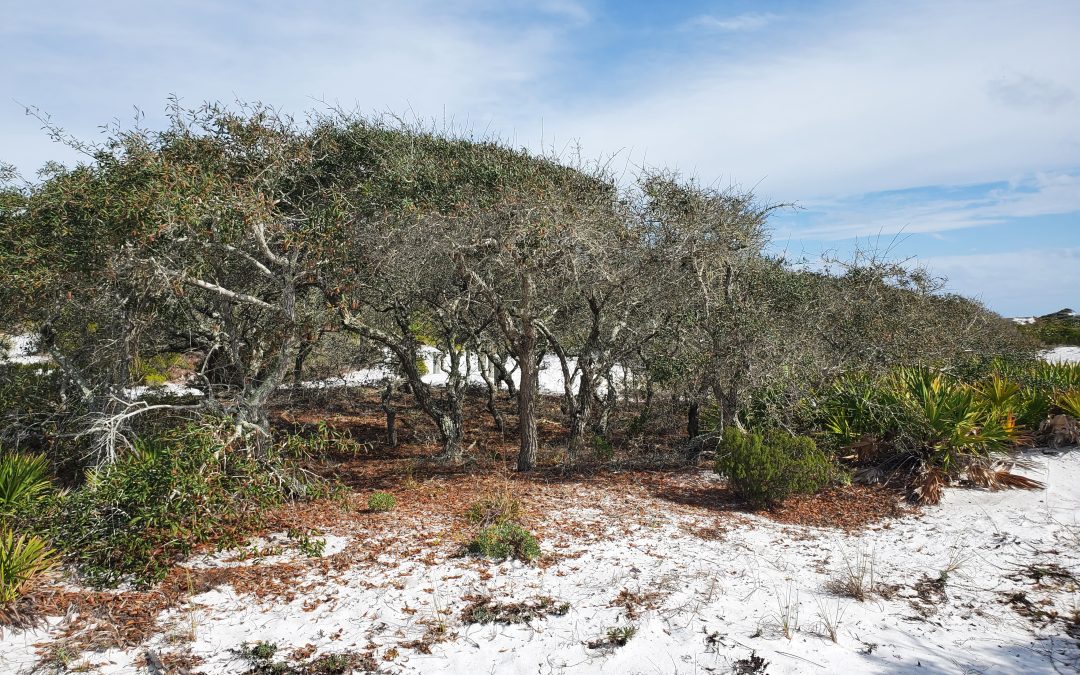
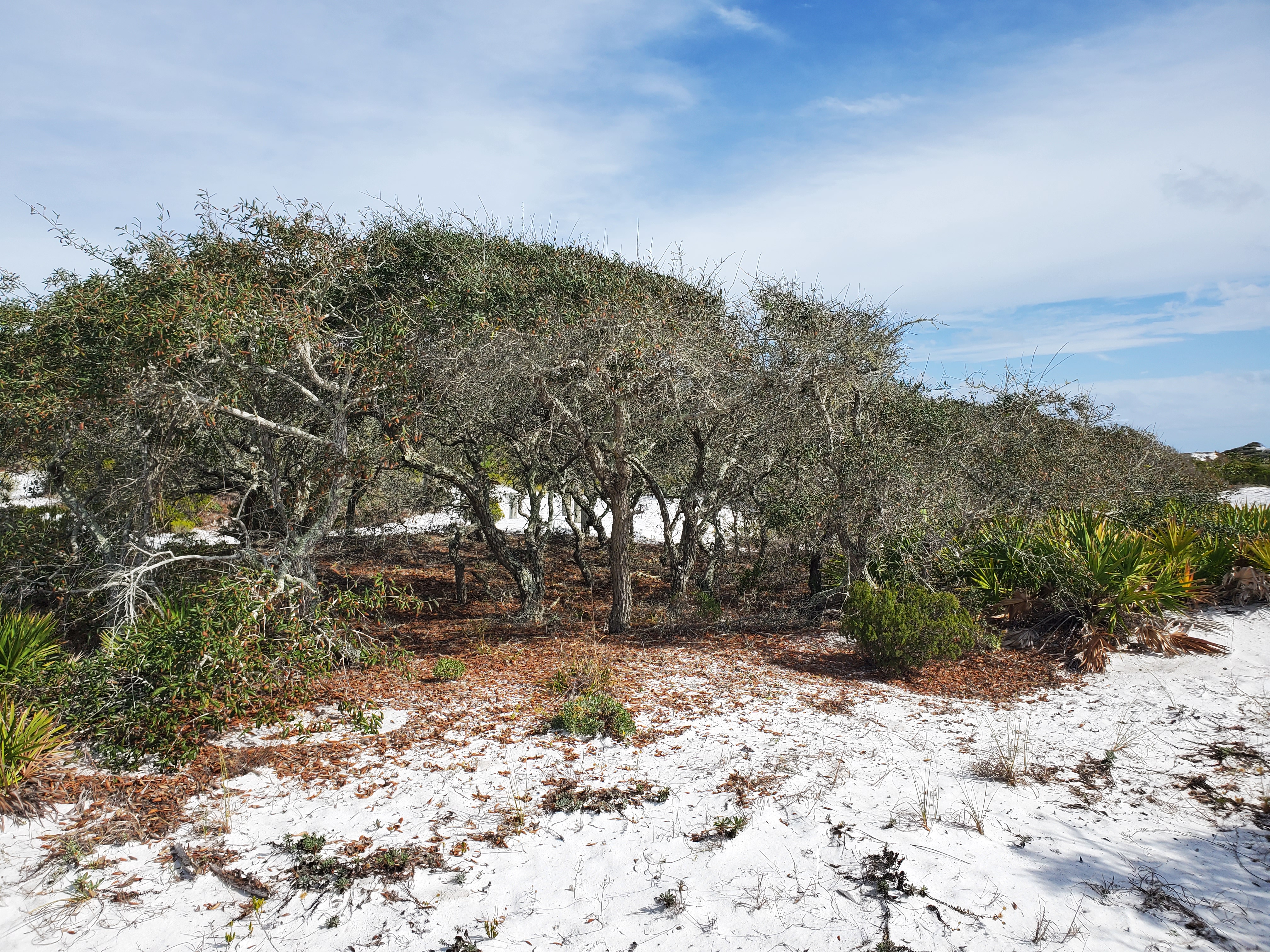
A grove of sand live oak trees.
Sand live oak can potentially grow as tall as its relative, but is rarely seen reaching such heights. Growing on beach dunes, it is constantly pruned back by the wind and sometimes remains as a low shrub. When given some relief from the elements, it will happily grow taller.
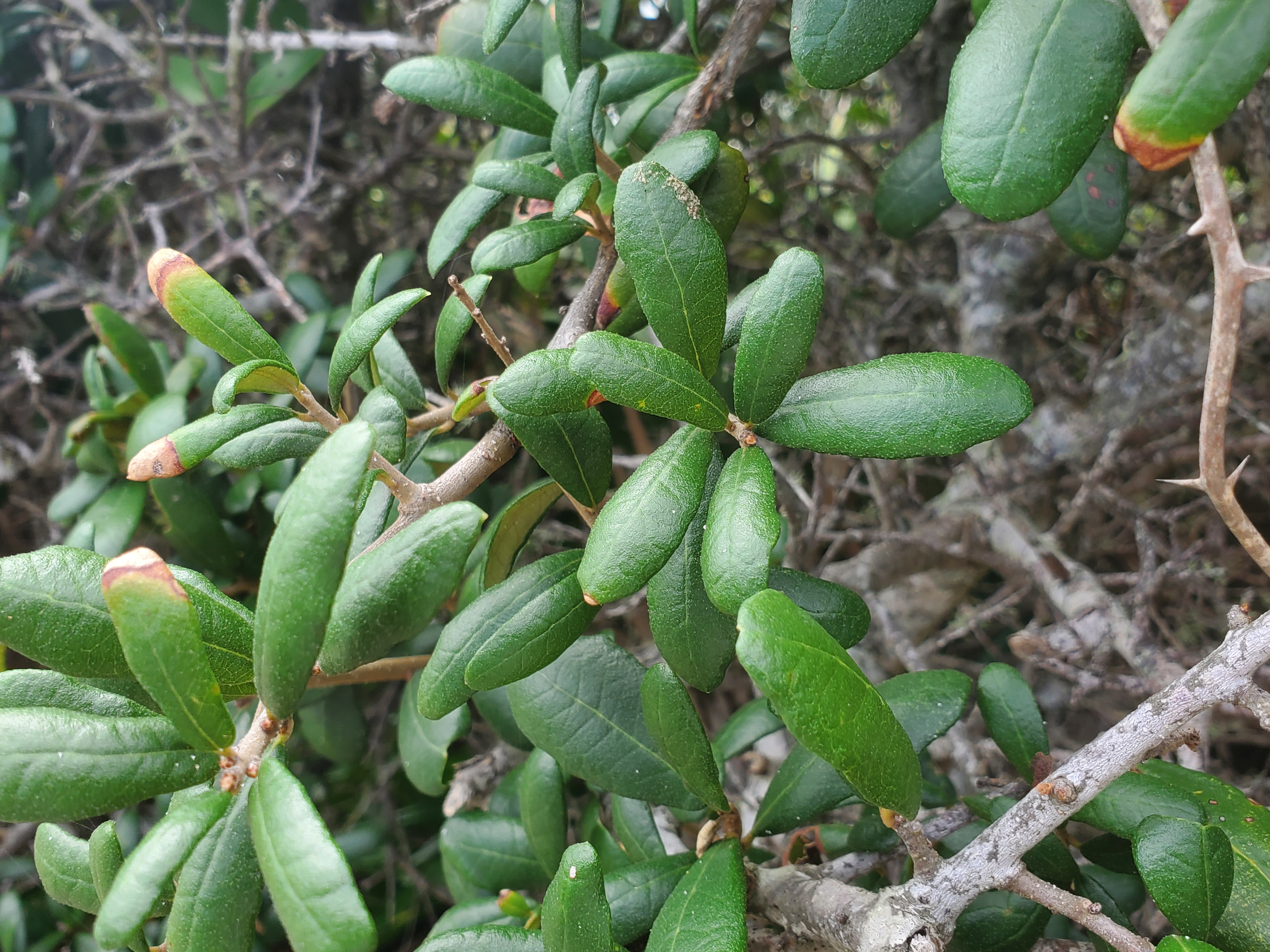
The leaves of a sand live oak.
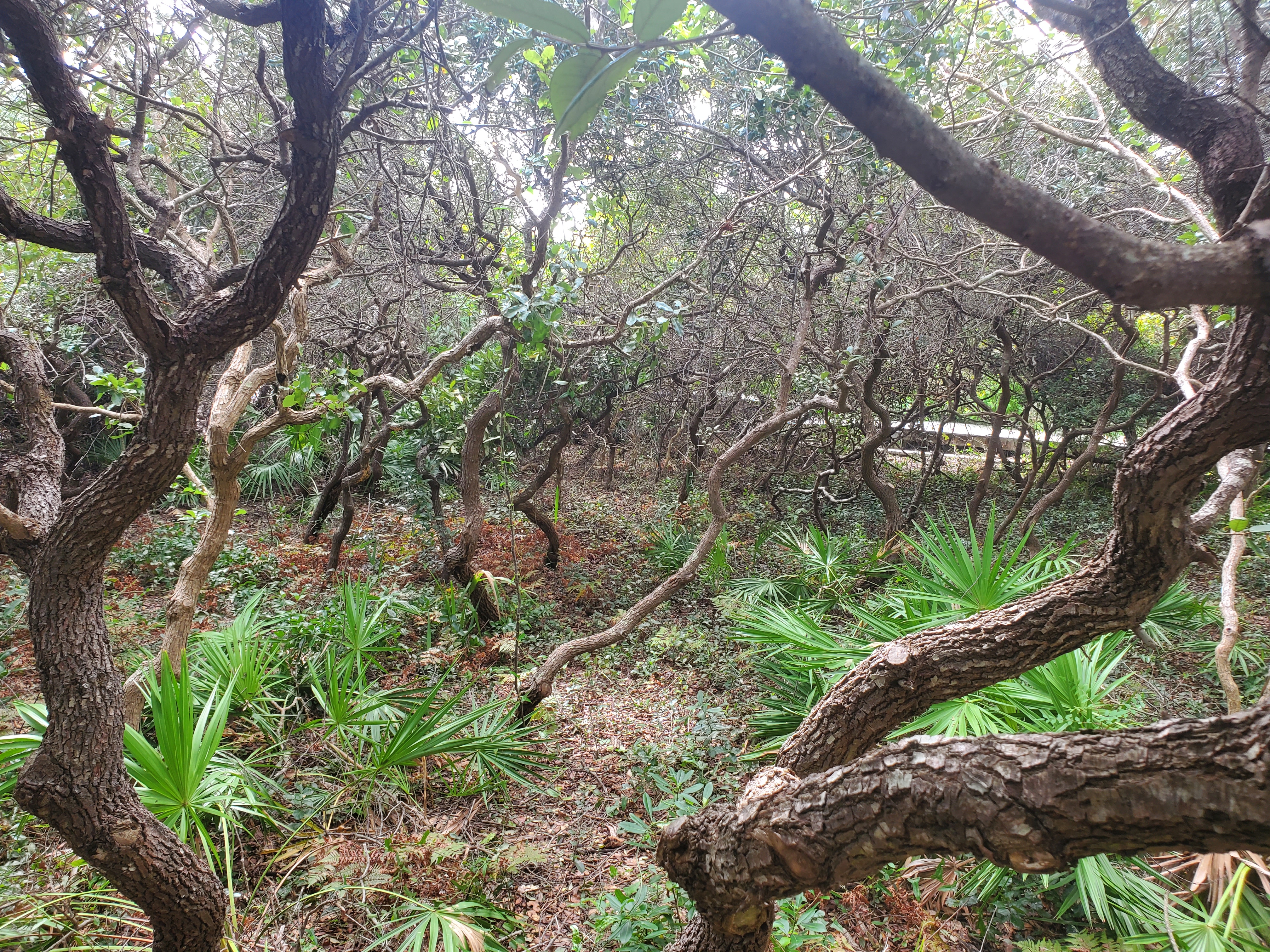
Its scientific name, Quercus geminata, comes from latin, meaning ‘twinned‘. This refers to its acorns, which are typically borne in pairs. The tree’s leaves are tough, leathery, and relatively small, with the edges curled downward. The bottoms of the leaves are gray to whitish, often with a fuzzy texture to them. While the sand live oak stays green all year, it does drop its leaves in the spring and immediately replaces them. It often grows in clusters, sometimes due to its ability to regenerate from its roots after a fire. This can lead to groves of wavy, leaning trunks that spread out widely, each reaching for its own patch of sunlight.
Very little seems to harm a sand live oak. They are sturdy in intense wind, able to withstand extreme drought, tolerant of salt spray, and do not mind intense sun and blazing hot temperatures. They are usually pest and disease free, though overwatering can damage their roots and cause dieback in the above ground parts.
Sand live oaks pruned by salt spray and constant wind.
Potential drawbacks of this species include their copious pollen production, and their tendency to stain surfaces with their tannin-rich leaves and acorns. In all, however, they are incredibly hardy and beautiful trees when planted in their native habitat. They require little to no maintenance and offer benefits to wildlife, who will snack on their acorns. For a shade tree near the beach, make sure to put the sand live oak at the top of your list.
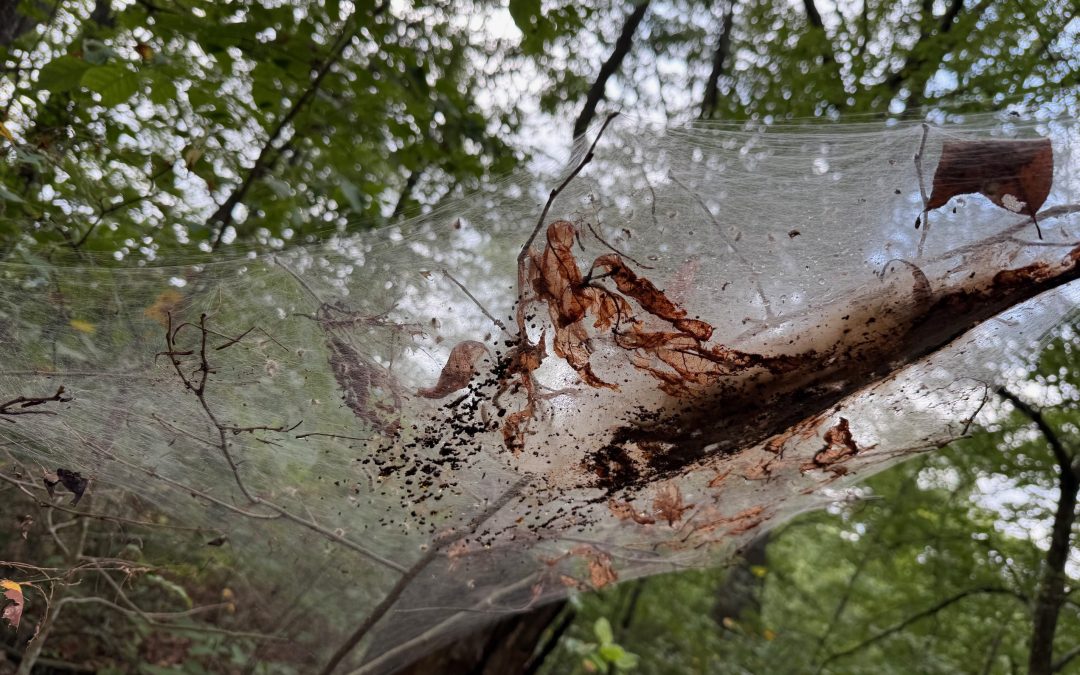
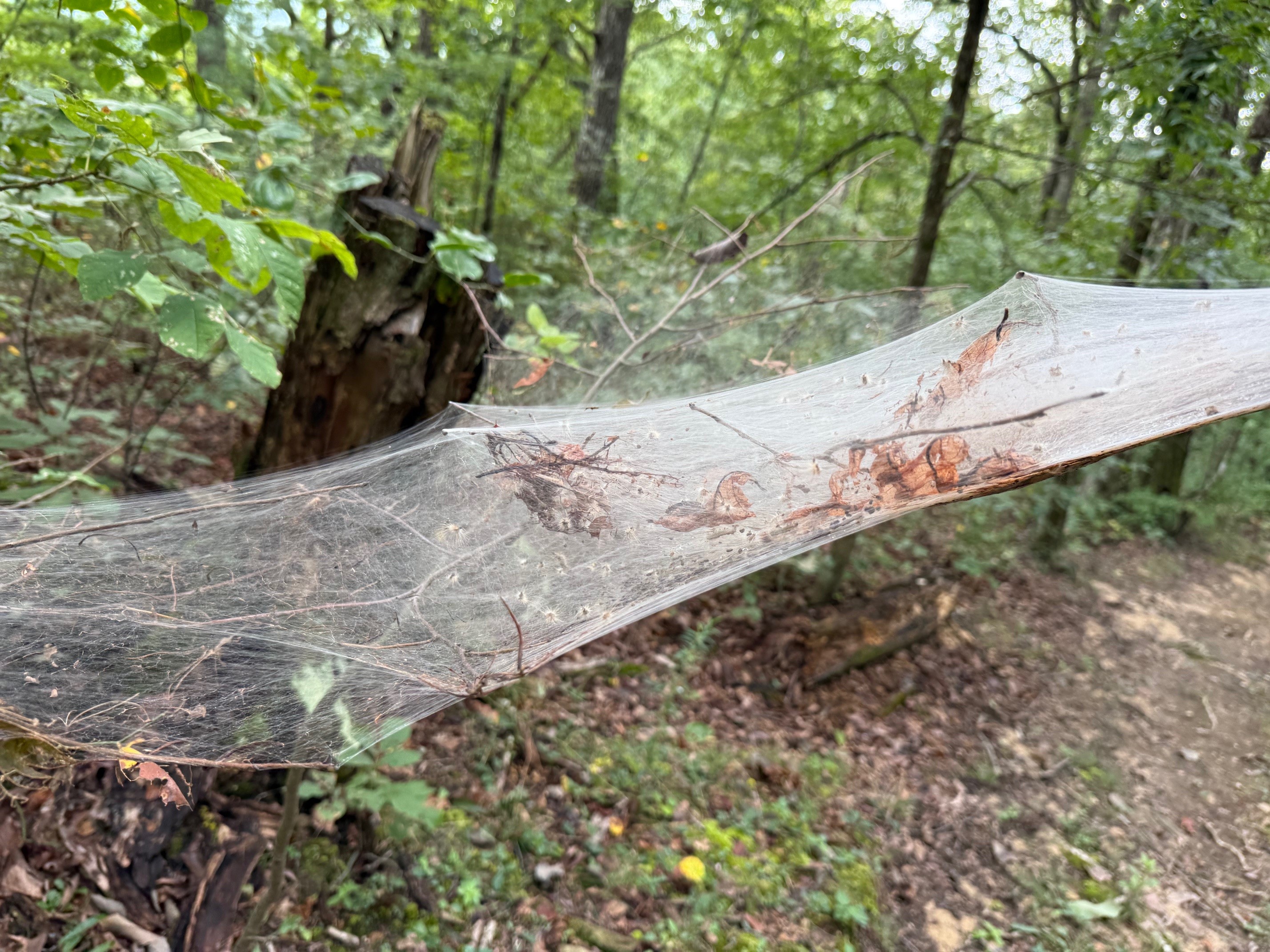
Fall webworms in a Tennessee forest. Photo credit: UF IFAS Extension
Have you ever noticed the big knots of webbing in some trees this time of year? They’re usually sort of a brown-pink hue, much too big for a spider but not really tightly wound enough to be a nest or cocoon.
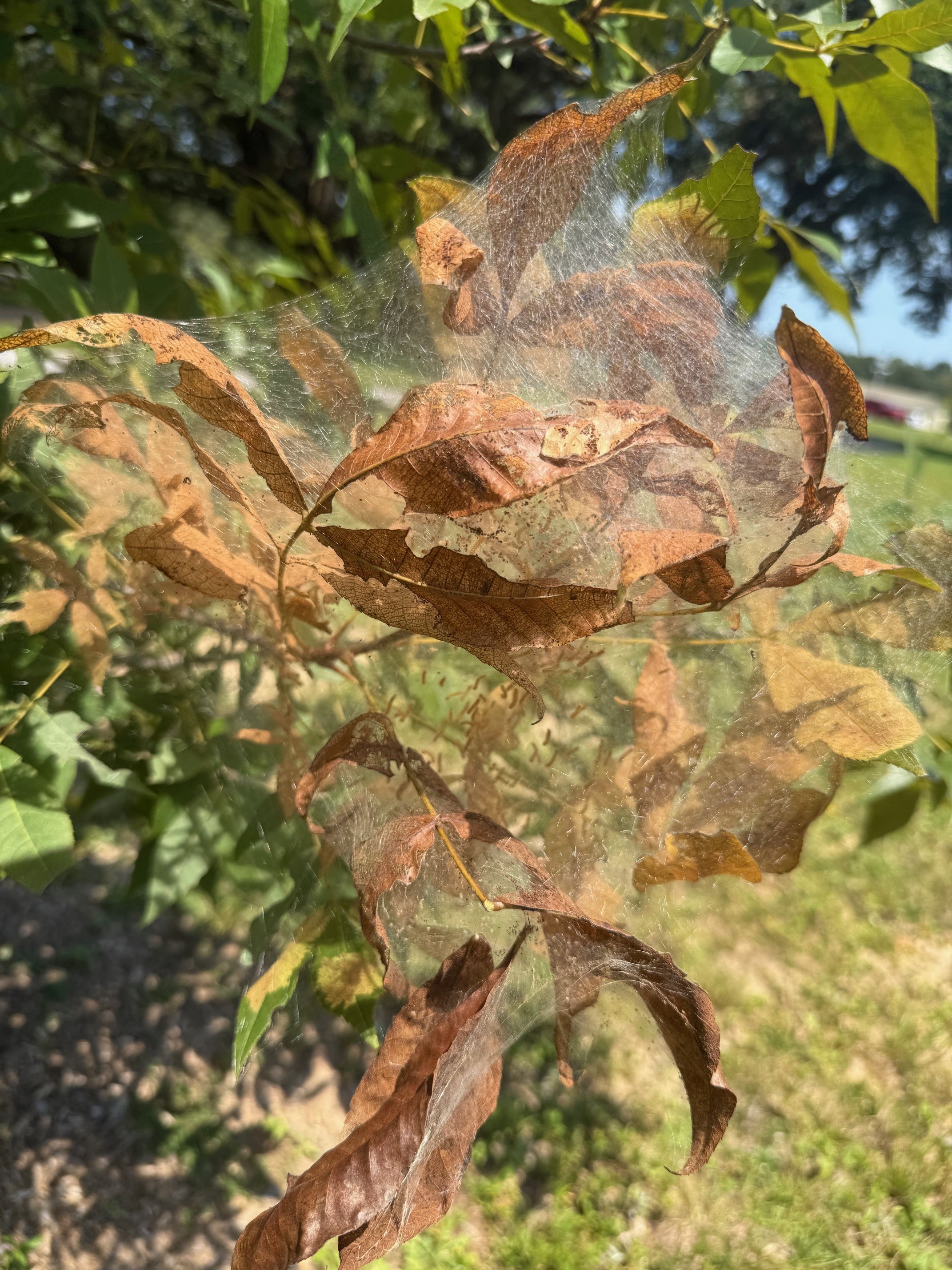
A close-up of the fall webworm tent reveals dozens of tiny caterpillars and skeletonized leaves. Photo credit: Carrie Stevenson, UF IFAS Extension
What you’re seeing actually is a cocoon of sorts—a big shared one created by hundreds of larval fall webworms (Hyphantria cunea). This common name is a bit of a misnomer. The webbing—often referred to as a tent—is built in late summer, not fall, and these are caterpillars, not worms. But I suppose it gets the idea across!
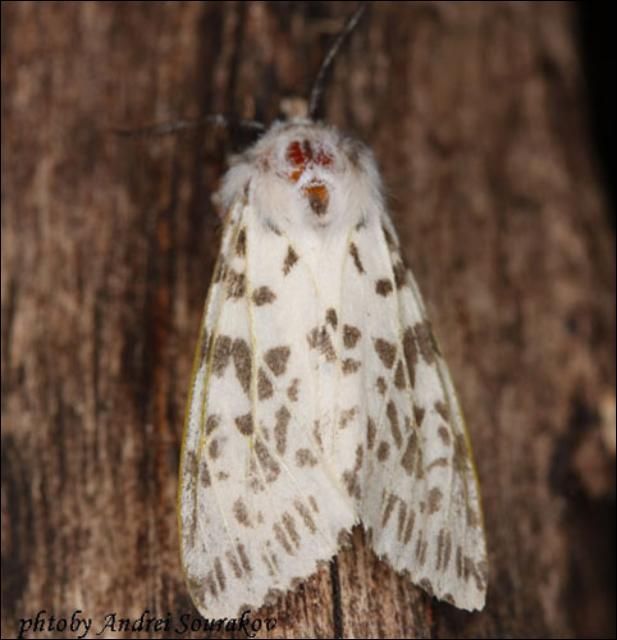
On a recent hike, I saw webbing up close, so I was able to really investigate the caterpillars inside. They are quite small, and will undergo up to five molting stages, or instars, before adulthood. Upon transformation, they will become white or speckled moths. Fall webworms are native to the entirety of the United States—in the northern end of their range the moths will be solid white, whereas further south they will have darker spots on their wings. Due to accidental introduction, fall webworms are invasive throughout Europe and portions of Asia.
Adult fall webworm, with spots on white, which is typical for members of this species from the southern part of its range. Photo credit: Lyle Buss, UF
Host plants include a wide range of more than 80 deciduous hardwood species, allowing a broader spectrum of places for the caterpillars to undergo their various larval phases. During their months in the “tent”, the larvae feed on and skeletonize the leaves encapsulated within their webbing. This causes damage to the leaves, but results in no permanent issues to the trees—being late summer and fall during their tenure, the trees eventually lose their leaves anyway.
While the tents are a bit unsightly, controlling the caterpillars or removing the webs is unnecessary. Once they’ve reached their final caterpillar stage, they’ll hide out in tree bark and leaf litter on the ground until metamorphosizing into moths the following spring. Adult moths mate and lay eggs in the late spring and summer, starting the cycle all over again.
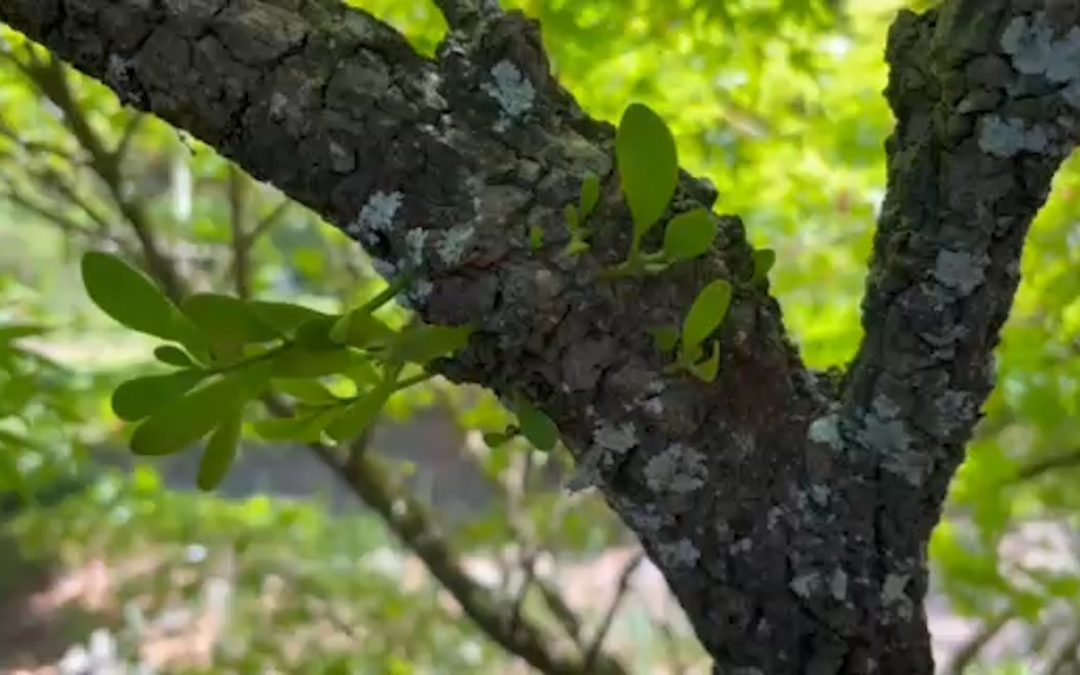
In the garden, mistletoe is not a plant we want to see. This parasitic plant can cause issues for some of our trees and we need to address the issue when we are able. Learn more about mistletoe in our landscape plants with UF IFAS Extension Escambia County.