We grow many types of hydrangeas in North Florida. In order to prune your hydrangeas at the correct time of year, you need to identify which types you have in your garden.
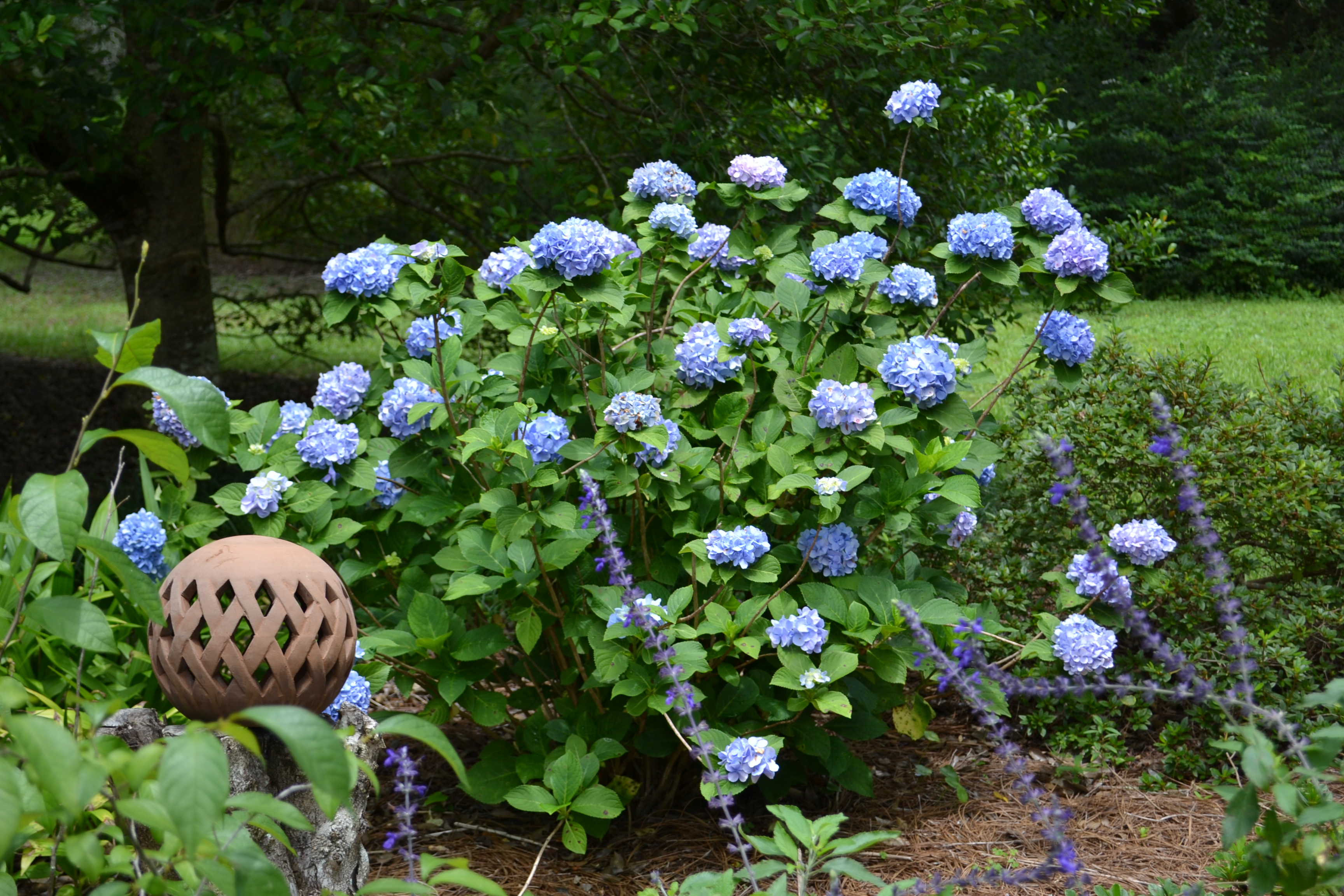
Bigleaf hydrangea (Hydrangea macrophylla) Bigleaf hydrangea (Hydrangea macrophylla) comes in mophead and lacecap flower forms. They bloom on old wood, so prune in summer after blooming is finished. Repeat bloomers, such as ‘Endless Summer’ bloom on both old wood from the previous year and on the current season’s wood. You can prune after the first bloom and still get a bloom later in the season.
Hydrangea macrophylla. Photo by Beth Bolles, UF IFAS Extension Escambia County
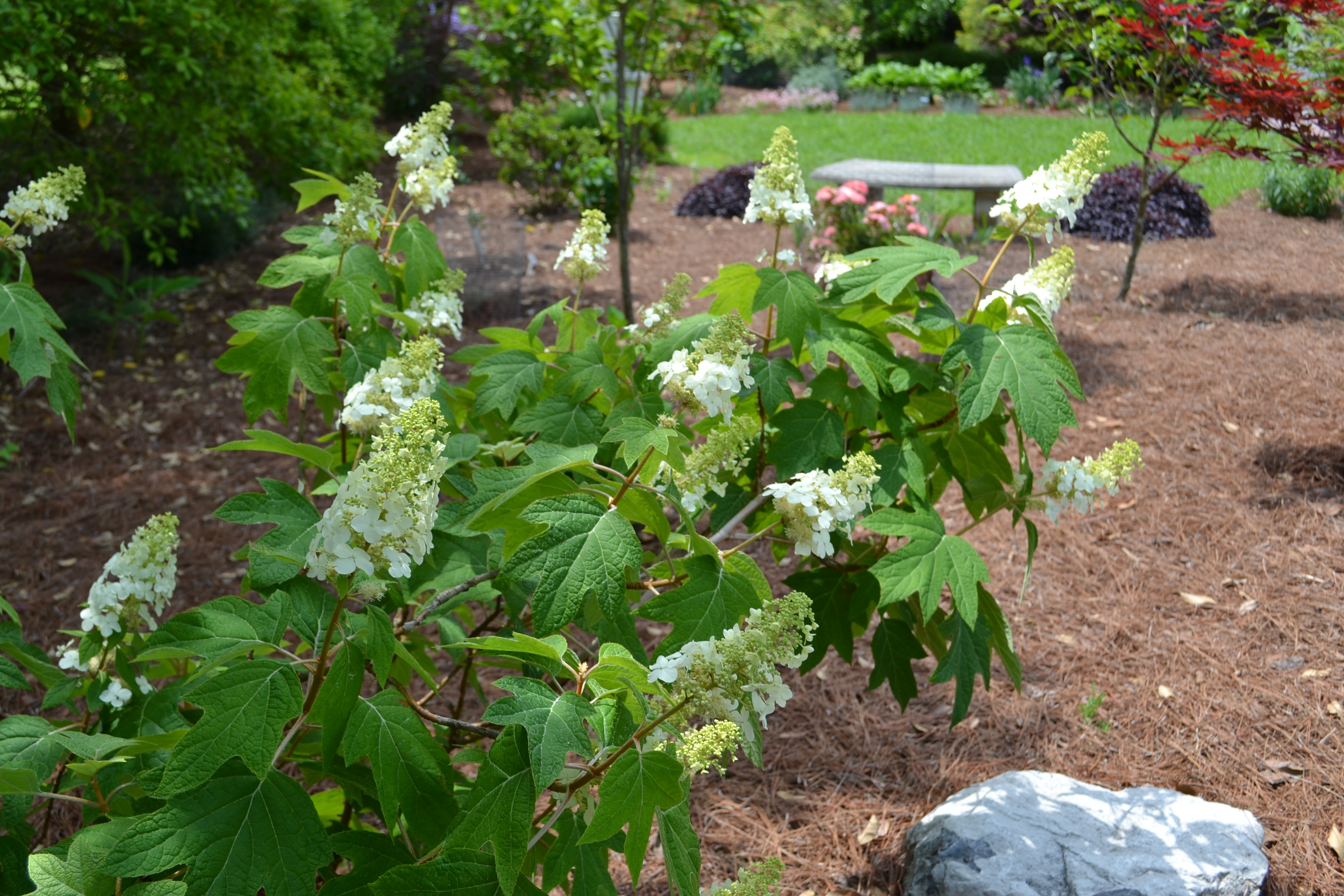
Oakleaf hydrangea (Hydrangea quercifolia) A native hydrangea that blooms on old wood, so prune after flowering. This type requires little pruning, only to maintain size and shape.
Oakleaf hydrangea. Photo by Beth Bolles, UF IFAS Extension Escambia County
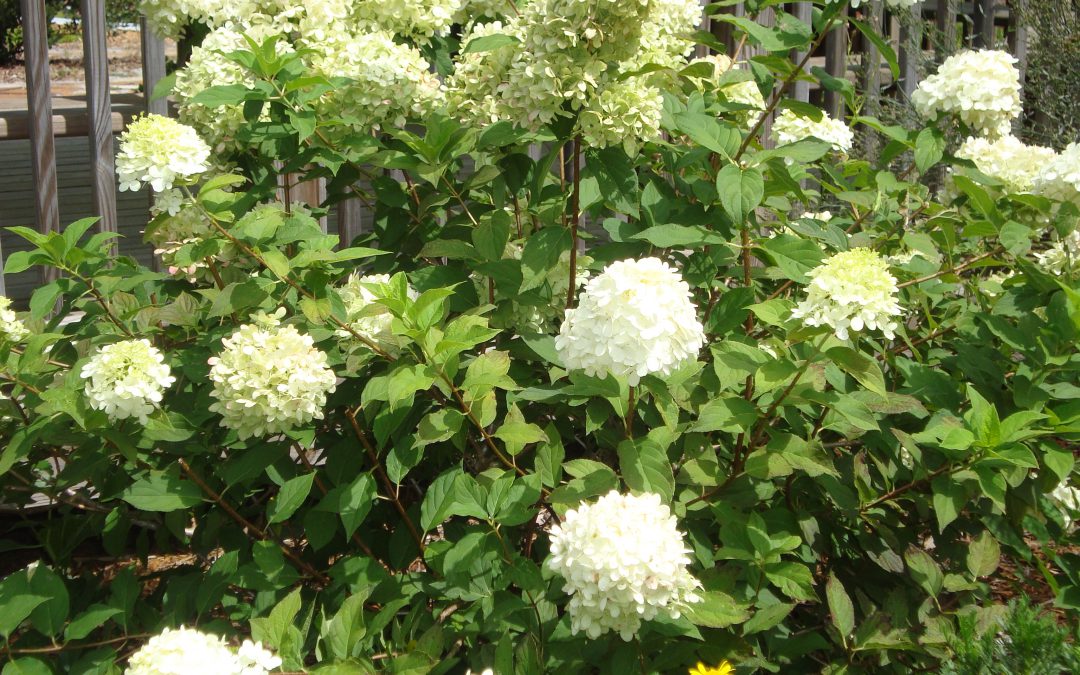
Panicle hydrangea (Hydrangea paniculata) These shrubs bloom on new wood, so prune in winter or early spring before new growth emerges. ‘Limelight’ and ‘Pee Gee’, are examples of this type. Plants only require pruning to shape or thin out the shrub.
Limelight hydrangea. Photo by Beth Bolles, UF IFAS Extension Escambia County
Here are some additional pruning tips for your hydrangeas.
For all types, check for winter-damaged wood in early spring. Remove all dead branches before buds start to open. Some plants need rejuvenation pruning. Old wood may die back or be less productive, so in early spring remove very old stems at the base. This stimulates new growth. Deadheading flowers (cutting off spent blooms at a set of leaves) can happen as needed.
The Fall 2022 Leon County Seed Library Kickoff event starts at 11 a.m. on August 13 at the Collins Main Leon County Library.
To kick off the Fall 2022 Season of the Leon County Seed Library Program, UF/IFAS Extension Leon County will be at the LeRoy Collins Leon County Main Library (200 W. Park Ave.) Program Room on Saturday, August 13, from 11 a.m. to 1 p.m., with information on raised bed gardening, a hands-on seeding activity, an Ask-a-Master-Gardener booth, and a healthy cooking demonstration.
Although we are still in the full swing of summer, gardeners know it is time to start thinking about planning the fall garden. Although pulling weeds and adding fresh compost can wait a little while, gathering seeds for the new season can be something to think about doing now.
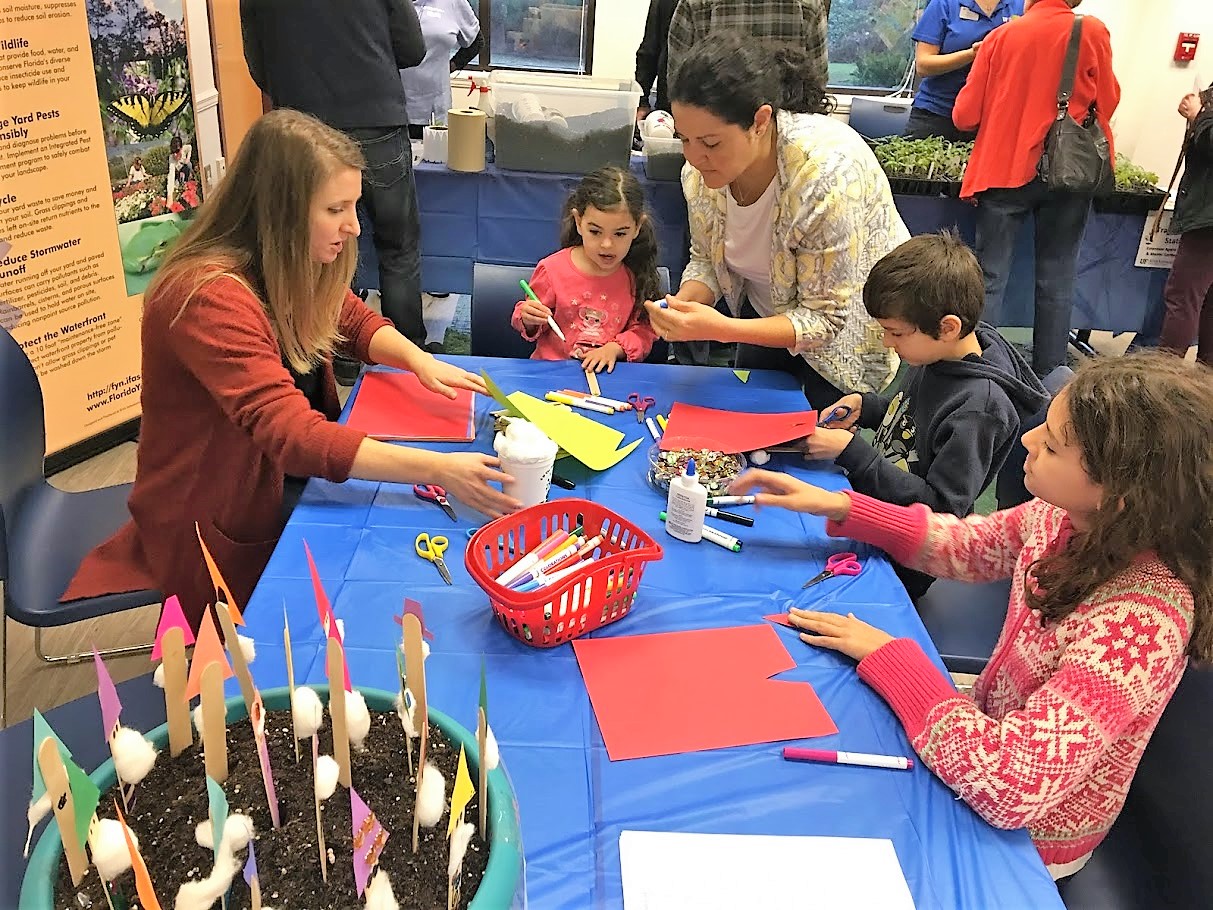
Youth creating garden gnomes at the 4-H station during the 2019 Seed Library Program debut. Photo by UF/IFAS.
If you live in or around Tallahassee, the Leon County Seed Library Program can help jump-start your fall garden. Starting August 13, you can go to any of the seven Leon County libraries to check-out three sample vegetable seed packets per month per library card! The Leon County Master Gardener Volunteers are currently busy labeling and packing each of the seed varieties that will be distributed to the seven libraries.
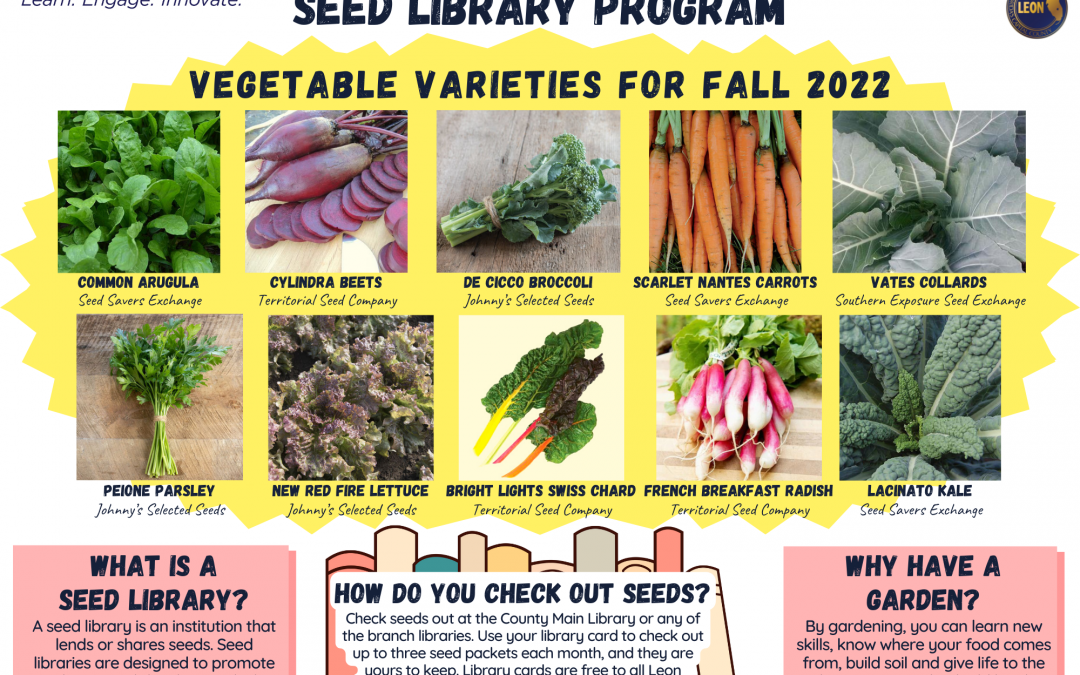
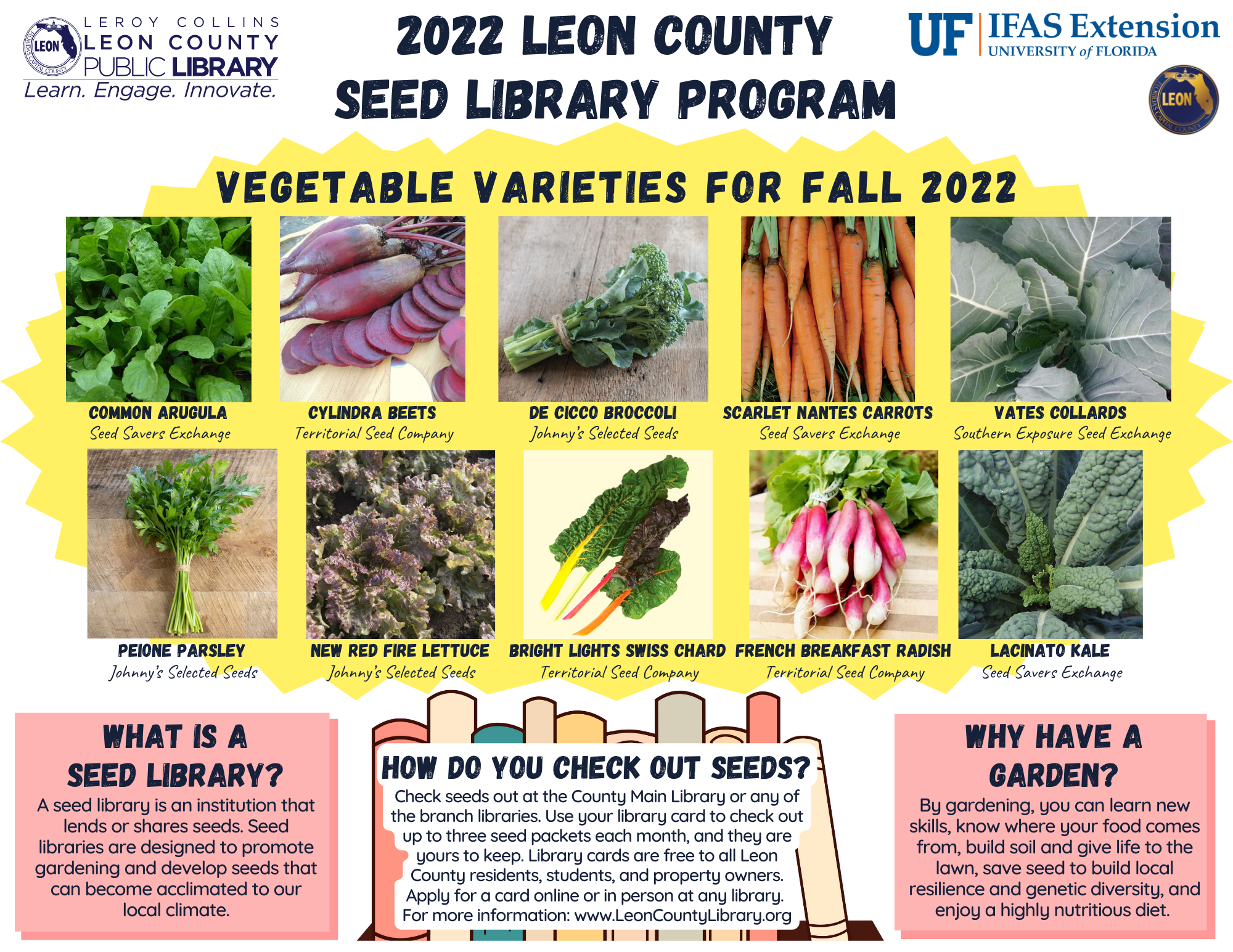
There will be 10 vegetables varieties this season, including a few varieties that have never been featured in the program. If you like to save seeds from your garden, know that all varieties in the Seed Library Program are open-pollinated (by insects, birds, wind), which means if they are not crossed with another variety, the seeds they produce will grow true to form.
The Fall 2022 selection includes:
Common Arugula: Deep green with a spicy, peppery, mustard-like flavor
Cylindra Beets: Heirloom with long cylindrical roots, good for slicing
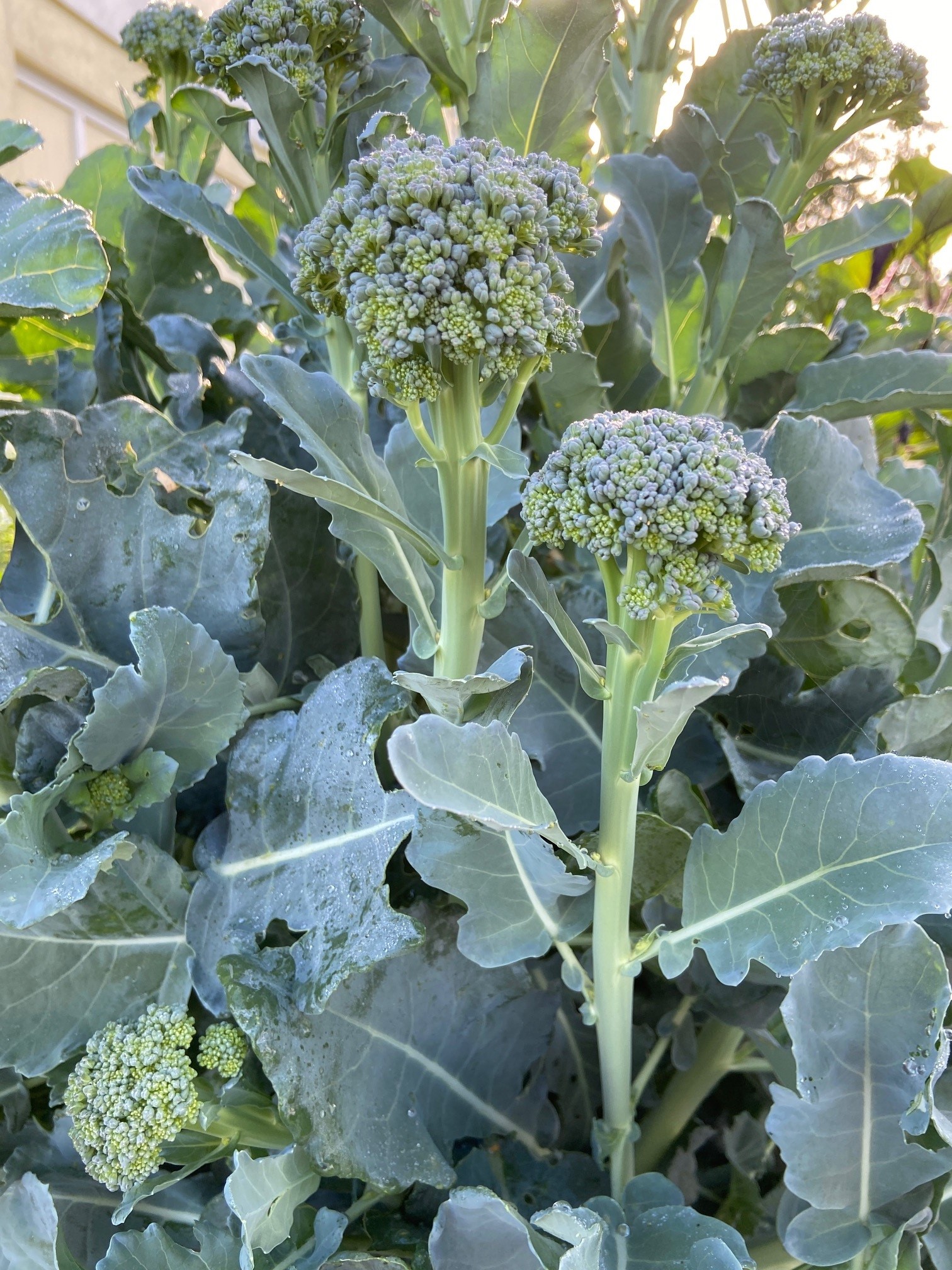
De Cicco Broccoli: Central light green head and side shoots to extend season
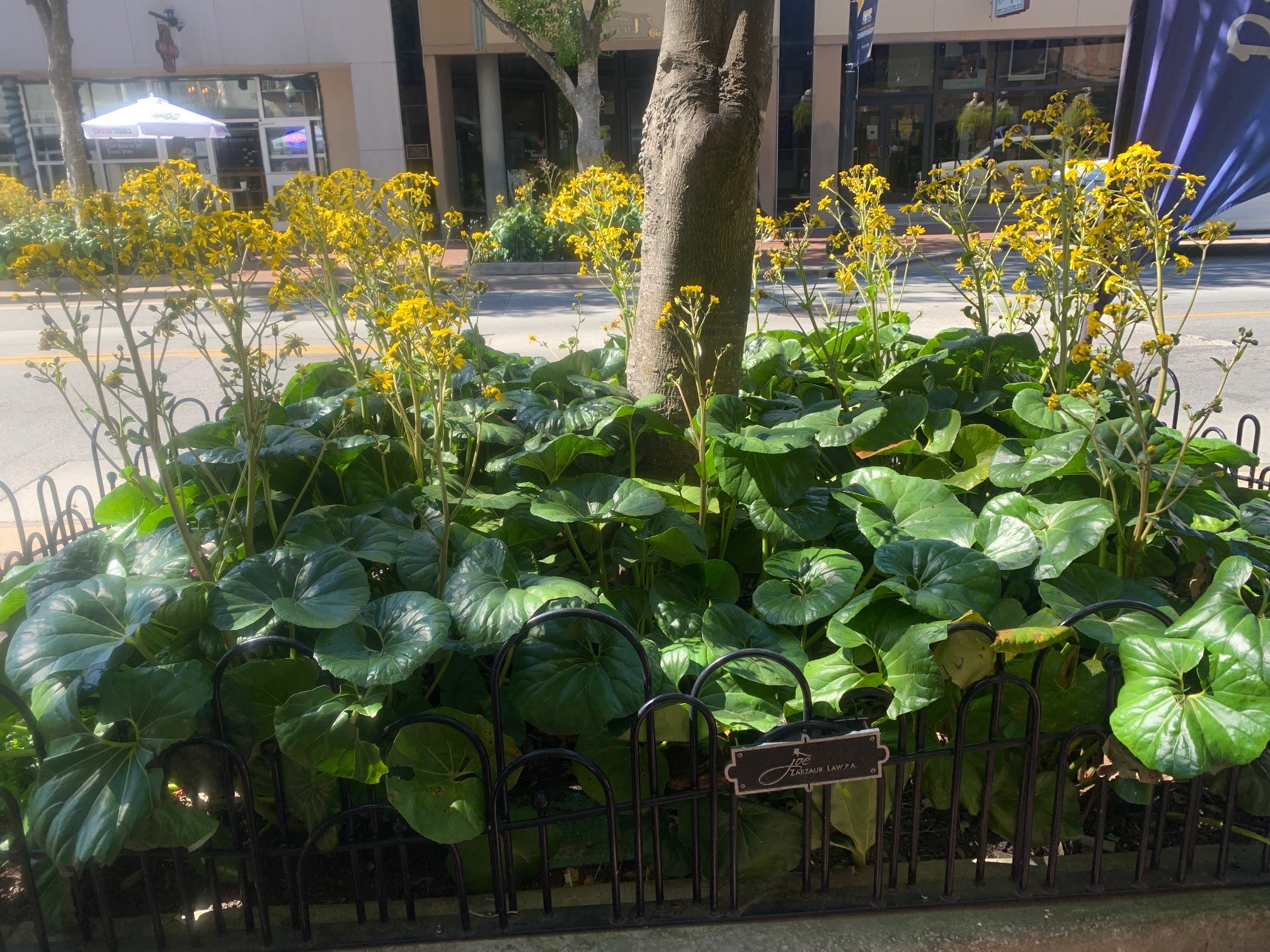
Several years ago the Escambia County Master Gardener Volunteers added a Leopard plant, Farfugium japonicum to the office demonstration gardens. This was a new plant for me and I was immediately impressed with look and performance of this plant in a filtered shade garden.
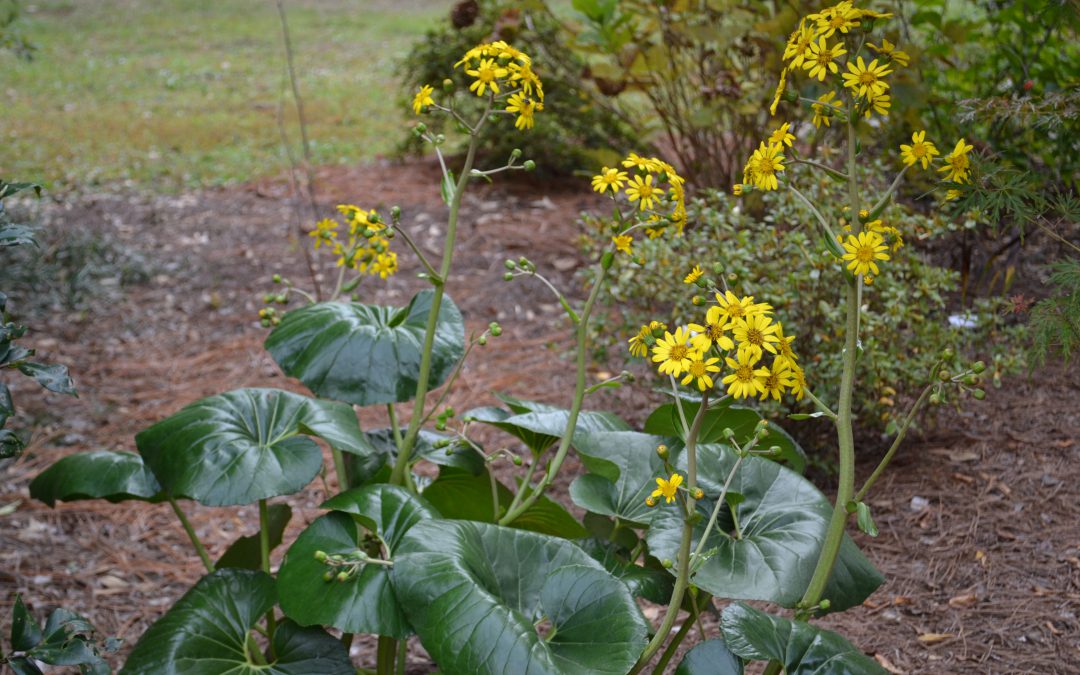
Leopard plant’s attractive leaves and flowers make it an accent in the shade garden. Photo by Beth Bolles, UF IFAS Extension Escambia County.
Although not native to the United States, Leopard plant make an interesting addition to the Florida garden. The large green leaves can provide a tropical look throughout the entire year since it is hardy in growing zones 7-10. An added bonus of the Leopard plant are spikes of bright yellow flowers in the fall and winter months. When you use Leopard plant as a mass planting, it certainly becomes the focus in our cooler months.
Leopard plant on display in Downtown Pensacola. Photo by Beth Bolles, UF IFAS Extension Escambia County.
There are many cultivars of Leopard plant and the selections with white (‘Argenteum’) or yellow (‘Aureomaculatum’) patterns on the leaves give the plant it’s common name. There are also cultivars with curled or crinkled leaves. All plants will thrive in partial shade with some additional water when rainfall is lacking. The clumps will continue to enlarge so you can often share a piece with a friend after a few years.
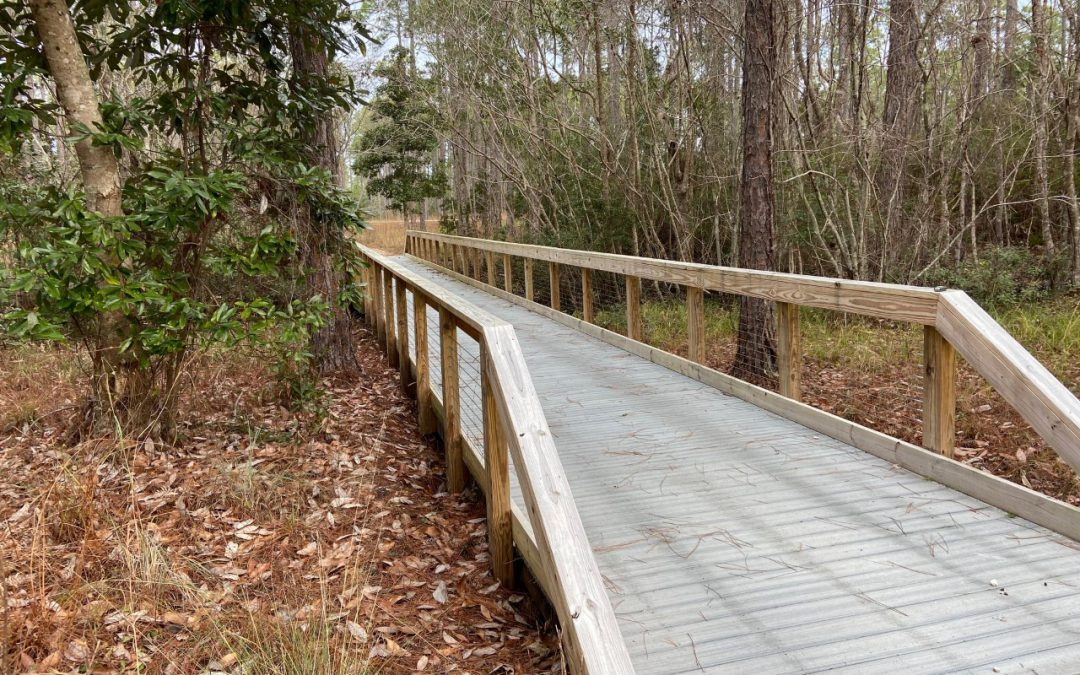
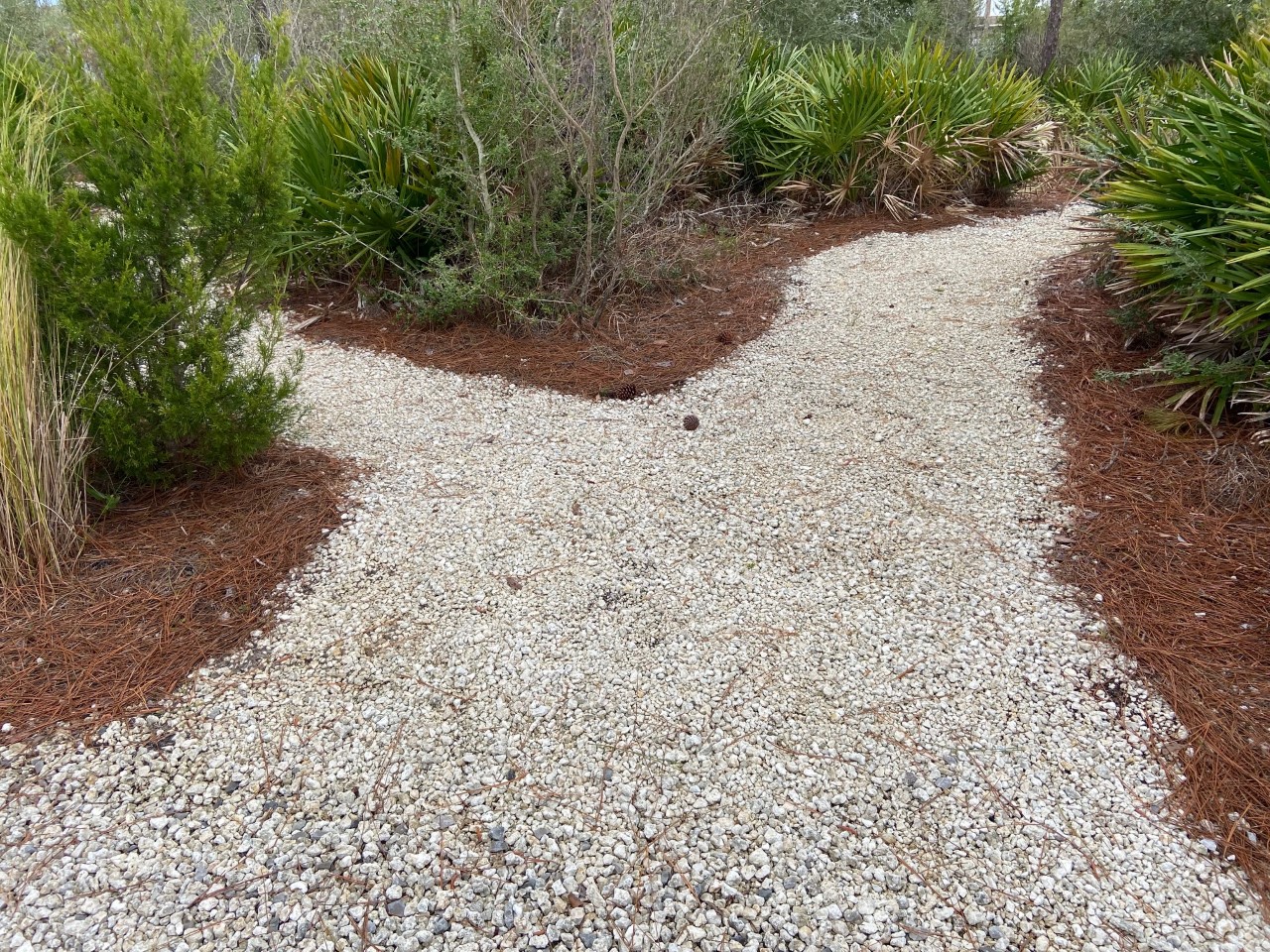
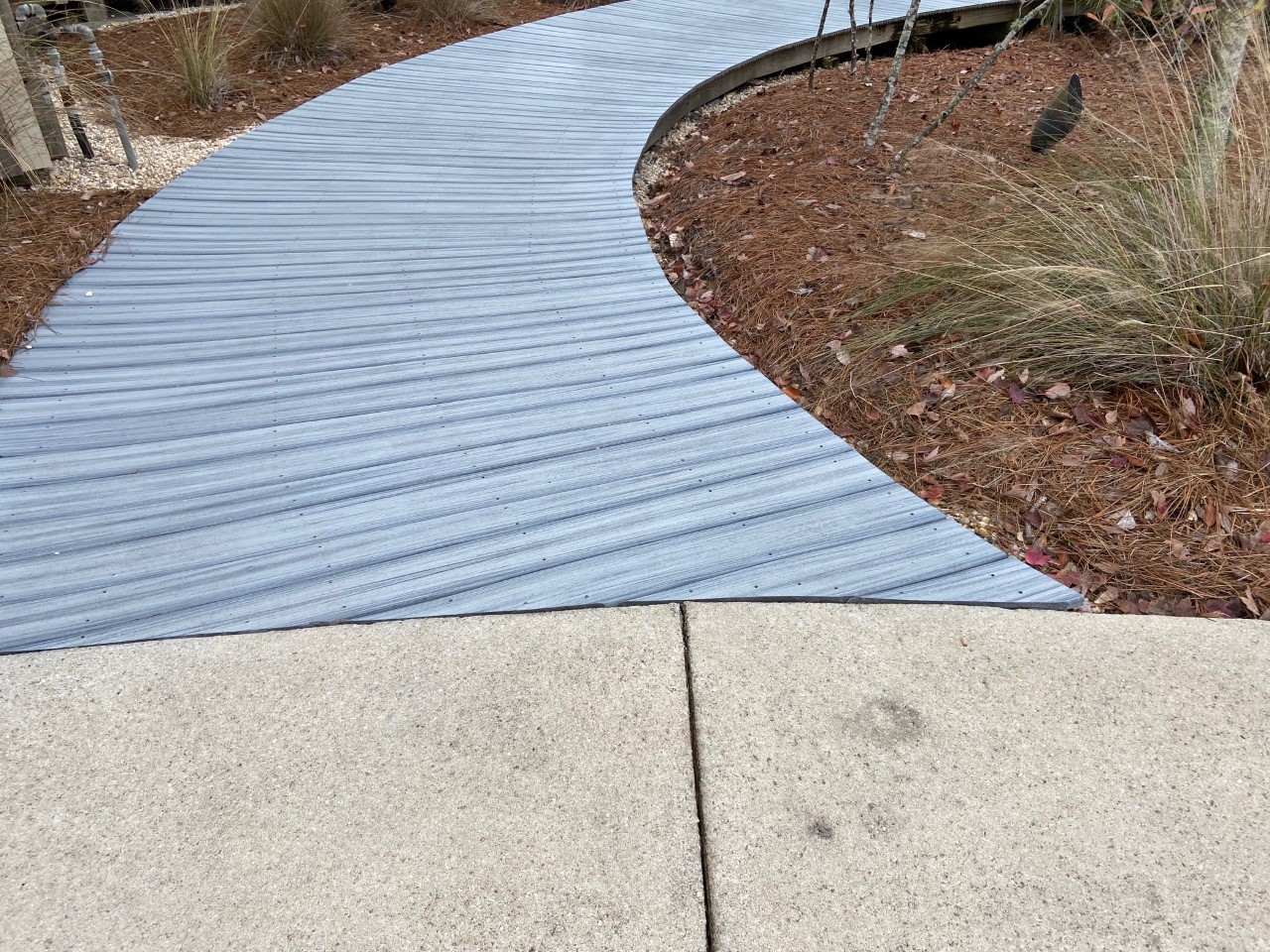
There are multiple ways to creatively construct avenues for foot traffic to areas in your landscape, community and public access areas. Over the years I have observed and enjoy many walks that curve and snake around well landscaped corners either created or provided by nature. Paths and trails can provide educational opportunities, recreation, observation points, food collection and water management. 
Designing a path, trail and walkway can happen with the eye and adventurous mind, paper and pencil, by a professional landscaper or landscape architect. Just remember these walkways can be changed and redirected if the environment in which they are set changes. Trails and paths should be determined and installed by the interests and needs at hand. Always remember to plan for who may visit these wonderous settings. Will this be a place for adults, high energy youth, or individuals with disabilities? Access to these areas may be challenging with transitions from walks to bridges, elevation changes, wet areas and others. Clearly determining the purpose of these areas is important and needed. Include others in the conversation and planning for a broader look and understanding to determine the scope of the project.
Photo courtesy: Stephen Greer, Santa Rosa Couty
With past history of marking bike, walk and running trails this is the time of year to walk the area that will become these adventures followed by planning, construction and completion before the hot weather of summer. Identifying and locating features to be included on a plat for these pathways must occur early in the process. Flag plants and strategic areas to save and highlight as a part of roughing out the path. Use signage to direct or educate. Will the walk be on a loop back to the same location or lead to other areas? All of this is a way to lead visitors and yourself to the next best point to enjoy. Jot down notes and pencil a drawing of the area with all of these observed and planned spots. Seasonal changes in the landscape along these paths are important to keep in mind and could include early emergence of flowers, spring leaves on many trees, shrubs and perennials.
Keep in mind some root removal may be needed to properly prepare the pathway subsurface, so be careful where you select a path location to reduce the impact on existing tree roots. Enjoy your gardening adventure of hardscaping!
The strenuous part of paths and trails is the construction involving plant removal, pruning and establishing a subsurface material before placing the final layer material to walk, run or bike on. Check for clearing heights that will not create high obstructions for the head by walkers or bikers. Some of this work may require the use of a tractor and rotary implement to till the walk area before placing the base material. Be careful in selecting the appropriate final path material that reduces the chance of slipping on or tripping visitors. Enjoy the journey, as a coworker and friend would always close with.
Bulbs are my favorite class of ornamental plants. They generally are low maintenance, come back reliably year after year, and sport the showiest flowers around. While many bulbs like Daylily, Crinum and Amaryllis are very common in Panhandle landscapes, there is a lesser-known genus of bulbs that is well worth your time and garden space, the Rainlily (Zephyranthes spp.).
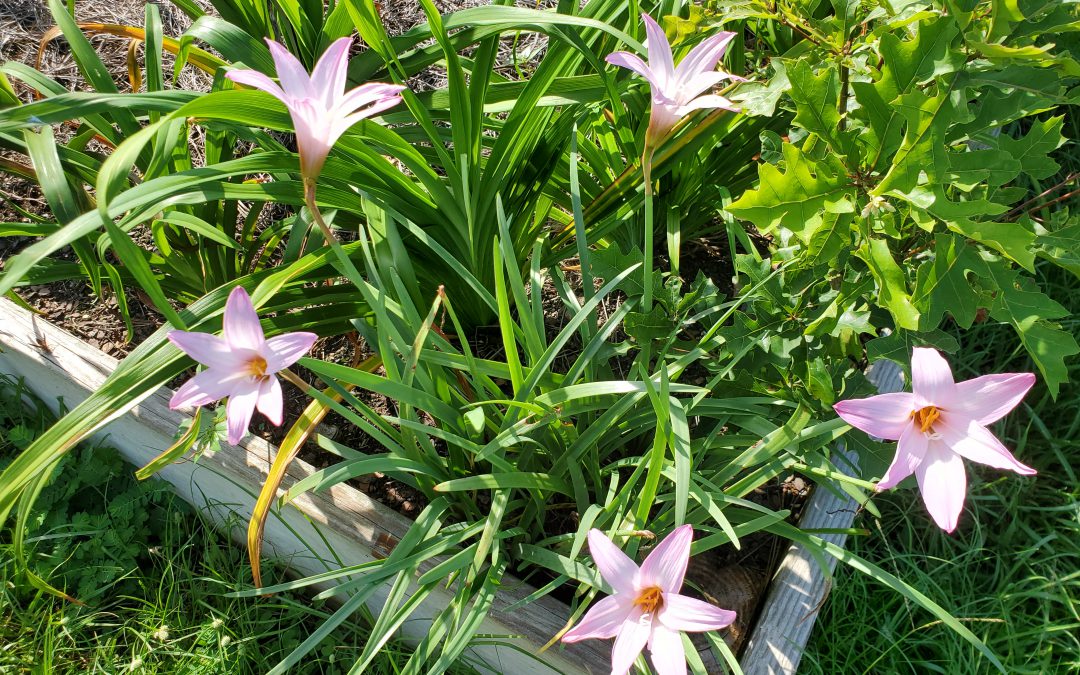
Rainlily, aptly named for its habit of blooming shortly after summer rainfall events and a member of the Amaryllis family of bulbs, is a perfect little plant for Panhandle yards for several reasons. The plant’s genus name, Zephyranthes – which translates to English as “flowers of the western winds”, hints at the beauty awaiting those who plant this lovely little bulb. From late spring until the frosts of fall, Rainlily rewards gardeners with flushes of trumpet-shaped flowers in shades of white, pink, and yellow, with some hybrids offering even more exotic colors. While these individual flowers typically only persist for a day or two, they are produced in “flushes” that last several days, extending the show. Though Rainlily flowers are the main event for the genus, beneath the blooms, plants also offer attractive, grass-like, evergreen foliage. These aesthetic attributes lend themselves to Rainlily being used in a variety of ways in landscapes, from massing for summer color ala Daylilies, to use around the edges of beds as a showy border like Liriope or other “border” type grassy plants.
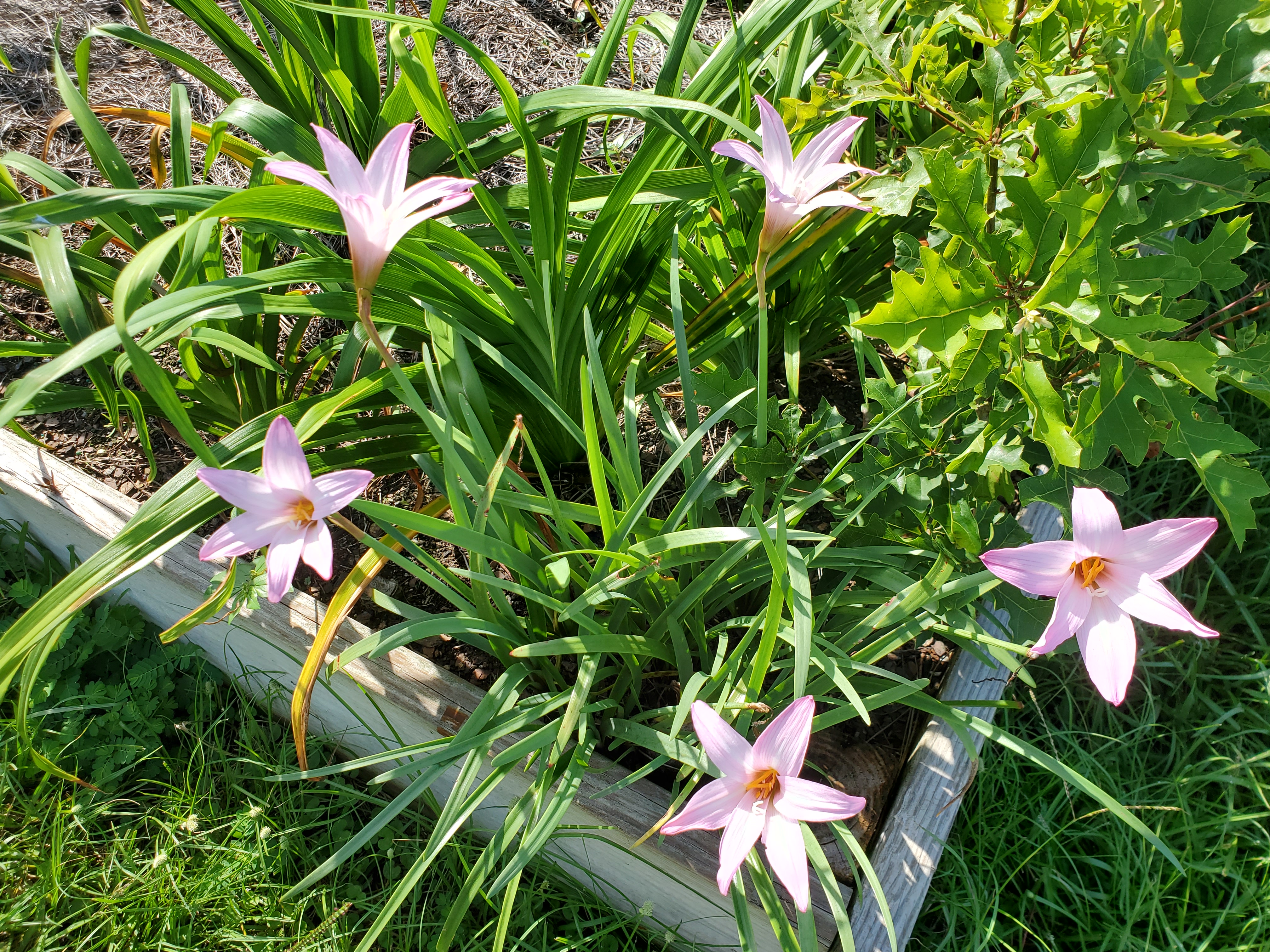
Unknown Rainlily species blooming in a raised bed. Photo courtesy of Daniel Leonard.
Continuing along the list of Rainlily attributes, the genus doesn’t require much in the way of care from gardeners either. Most species of Rainlily, including the Florida native Z. atamasca, have no serious pests and are right at home in full sun to part shade. Once established, plants are exceedingly low-maintenance and won’t require any supplemental irrigation or fertilizer! Some Rainlily species like Z. candida even make excellent water or ditch garden plants, preferring to have their feet wet most of the year – putting them right at home in the Panhandle this year. And finally, all Zephyranthes spp. do very well in containers and raised beds also, adding versatility to their use in your landscape!
The one drawback of Rainlily is that they can be somewhat difficult to find for sale. As these bulbs are an uncommon sight in most garden centers, to source a specific Zephyranthes species or cultivar, one is probably going to need to purchase from a specialty internet or mail-order nursery. As with other passalong-type bulbs though, the absolute best and most rewarding way to obtain Rainlily is to get a dormant season bulb division from a friend or fellow gardener who grows them. There are many excellent unnamed or forgotten Zephyranthes cultivars and seedlings flourishing in gardens across the South, waiting to be passed around to the next generation of folks who will appreciate them!
Even if you must go to some lengths to get a Rainlily in your garden, I highly recommend doing so! You’ll be rewarded with years of low-maintenance summer color after the dreariest of rainy days and will be able to pass these “flowers of the western wind” on to the next gardening generation. For more information on growing, sourcing, or propagating Rainlilies, check out this EDIS publication by Dr. Gary Knox of the UF/IFAS North Florida Research and Education Center (NFREC) or contact your local UF/IFAS Extension office! Happy Gardening!