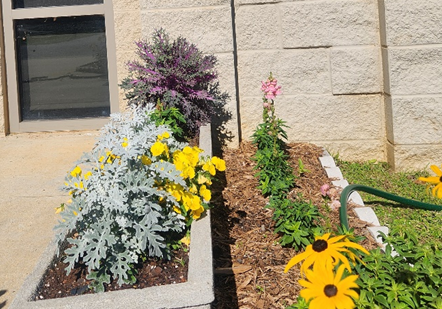
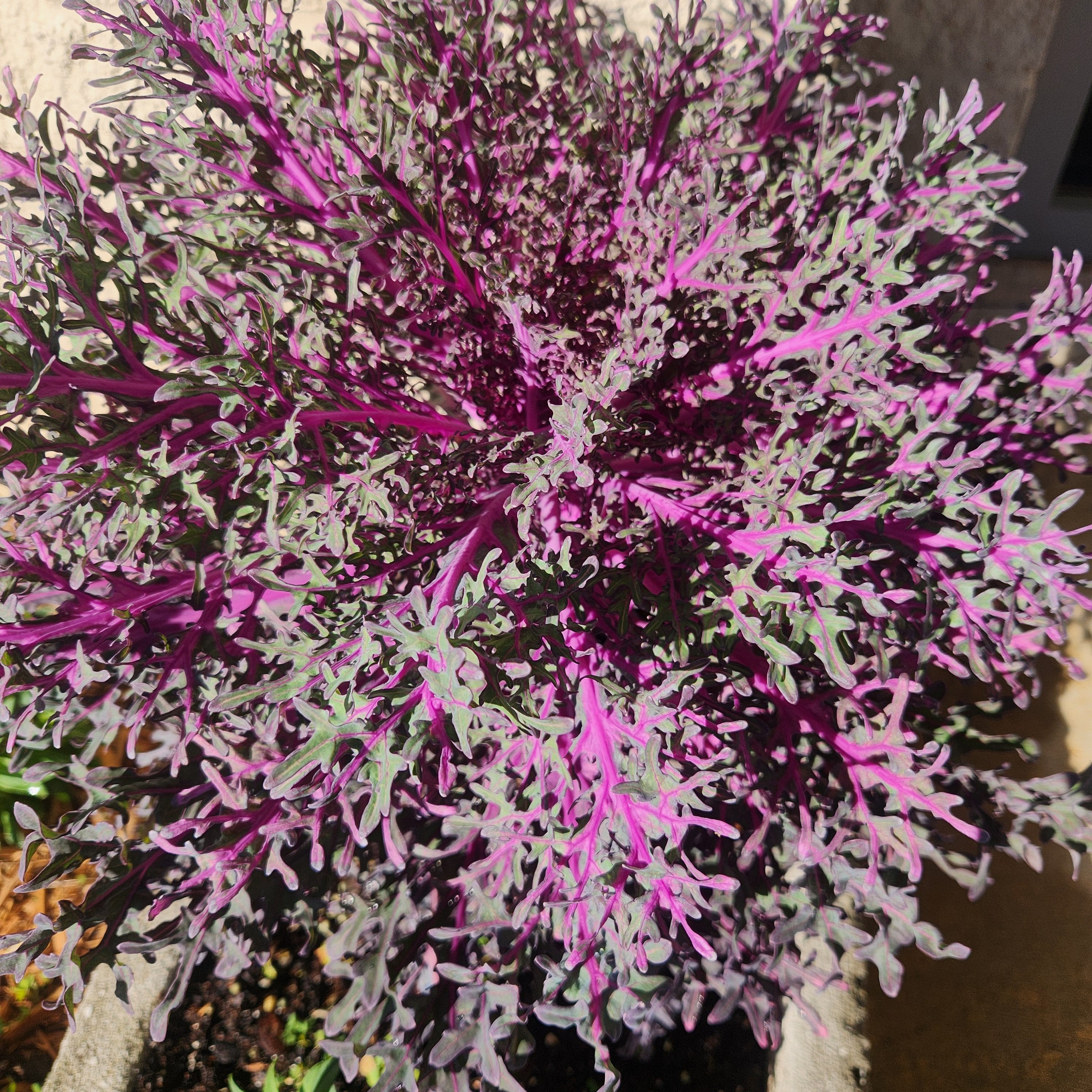
As cooler weather settles across the Florida Panhandle, many homeowners refresh their landscape beds with plants that provide vibrant seasonal color. Ornamental kale (Brassica oleracea var. acephala) and ornamental cabbage are reliable, eye-catching choices for fall and winter landscapes. Their ruffled foliage and colorful rosettes, ranging from deep purple and rose to creamy white deliver long-lasting visual interest throughout the coldest months, even after many other seasonal plants have faded.
Photo Credit: Donna Arnold. FAMU Extension
Why Choose Ornamental Kale & Cabbage?
Unlike flowering annuals, ornamental kale and cabbage provide colorful foliage rather than blooms. Their dramatic rosette shapes create strong focal points in landscape beds, containers, and entryway plantings. These cool‑season ornamentals thrive in the Panhandle’s mild winter temperatures and tolerate light frost, making them dependable choices for winter interest.
Planting & Care Tips
Planting Time: October through December for best cool‑season results.
Sunlight: Full sun brings out the richest pigmentation in the leaves.
Soil: Moist, well‑drained soil with added compost.
Spacing: 12–18 inches apart to allow the rosettes to fully develop.
Maintenance: Water consistently but avoid soggy soil; remove yellowing leaves; fertilize lightly.
Their care needs are minimal, making them ideal additions for busy homeowners seeking low‑effort winter color.
To Eat or Not to Eat?
Although ornamental kale and cabbage are edible, they are grown primarily for their appearance rather than flavor. Their leaves are typically tougher and more bitter than those of culinary varieties. While cooking can help soften the texture and reduce bitterness, most homeowners choose to enjoy these plants as decorative landscape features rather than as part of a meal.
Design Ideas for Winter Color
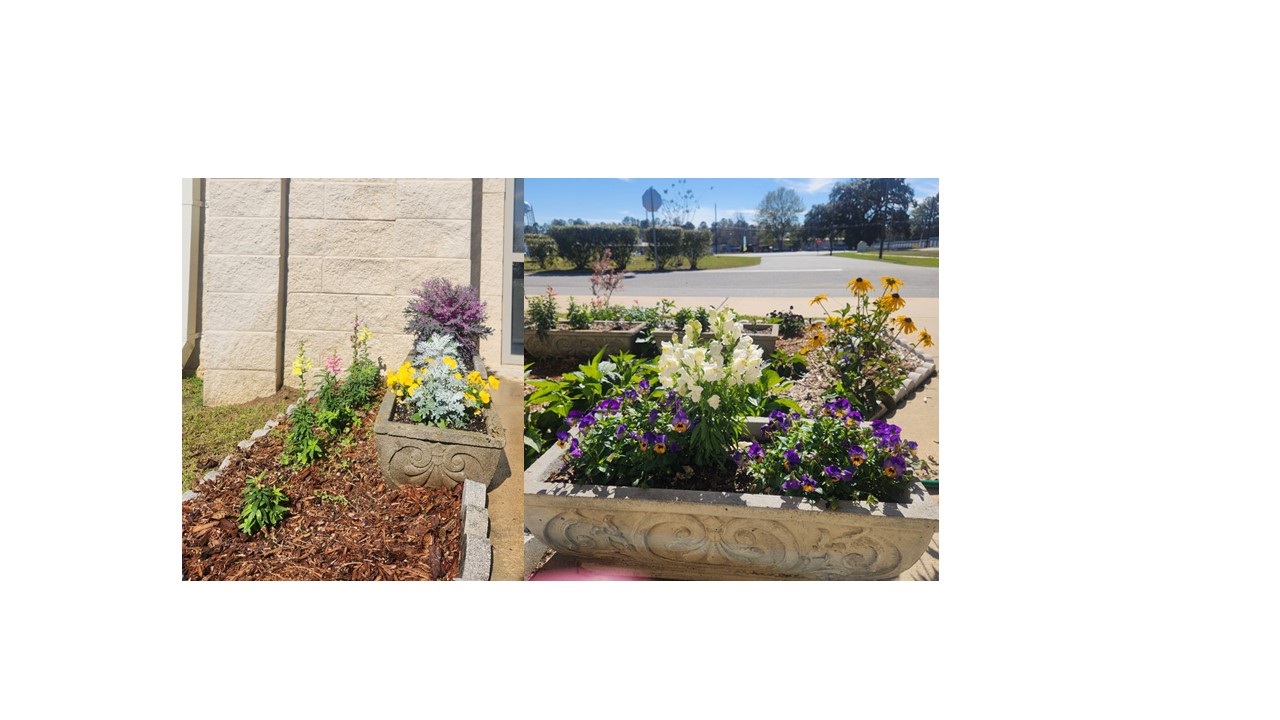
Photo Credit: Donna Arnold. FAMU Extension
Create eye‑catching combinations by pairing ornamental kale and cabbage with pansies, violas, and snapdragons. Pansies and violas add cheerful pops of color that blend beautifully with the textured rosettes. Snapdragons provide vertical accents that balance the low, rounded form of the cabbages. These combinations work well in mixed beds, large containers, or along entryways where color can be appreciated up close. For striking displays, try pairing purple kale with yellow pansies or white cabbage with deep blue violas. These pairings brighten winter landscapes and bring life back to garden spaces during the cooler months.
Pest & Disease Snapshot
Ornamental kale and cabbage are generally hardy but can be affected by a few common pests and diseases during the cool season. Aphids, caterpillars, and cabbage loopers may feed on foliage, causing visible holes and damage. In humid conditions or areas with poor air circulation, fungal diseases such as powdery or downy mildew may develop.
Prevent problems by practicing good garden sanitation, spacing plants to improve airflow, and avoiding overhead watering. UF/IFAS recommends using Integrated Pest Management (IPM) strategies, including hand-removal of pests, encouraging beneficial insects, and applying control measures only when needed to keep plants healthy throughout the season.
Q. My oleander shrubs are overgrown. How severely can they be pruned?
A. Oleanders flower on current season’s growth. So, if you prune just before new growth occurs, you’ll still get flowers. However, severe pruning (removing 1/3 or more of the plant), may result in the oleander not flowering for several years. Pruning severely causes a plant to put all of its energy into recovering the lost growth at the expense of producing flowers. But sometimes the need to severely reduce a plant’s size overrides the need for flowers. Oleanders can grow to a height of 10 to 20 feet with a spread of 10 to 15 feet.
Q. I have a holly bush that has grown too large. Will it recover if I prune it way back? I also have large azaleas that I trimmed back last year but they’re overgrown again. Can I trim them back severely again and have them recover?
A. Hollies and azaleas generally respond well to severe pruning. And they probably will recover. But, as you’ve experienced with your azaleas, plants are designed to grow to a certain height. When you prune to reduce their height, they will regain the growth, again and again. So, you may have a regular job on your hands in pruning these plants every year or so to maintain the desired height. To prune for the sake of reducing the height may result in fewer berries in the case of the holly, if it’s a female plant, and fewer flowers in the case of the azaleas. Eventually, you may decide to remove these overgrown plants and replace them with smaller maturing ones.
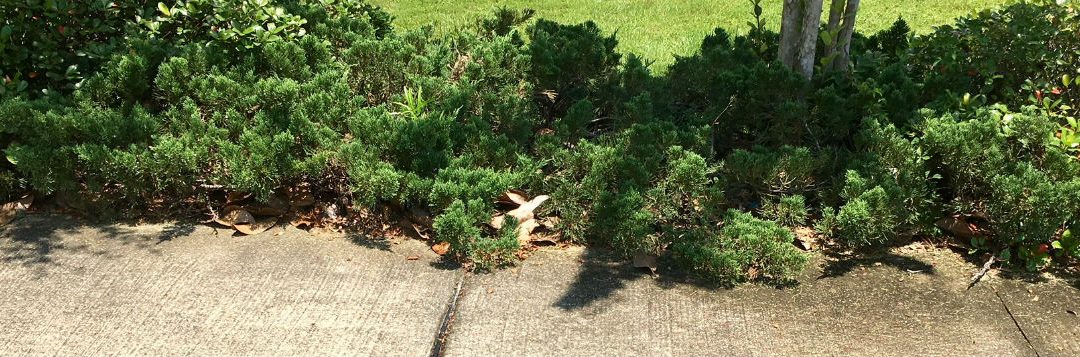
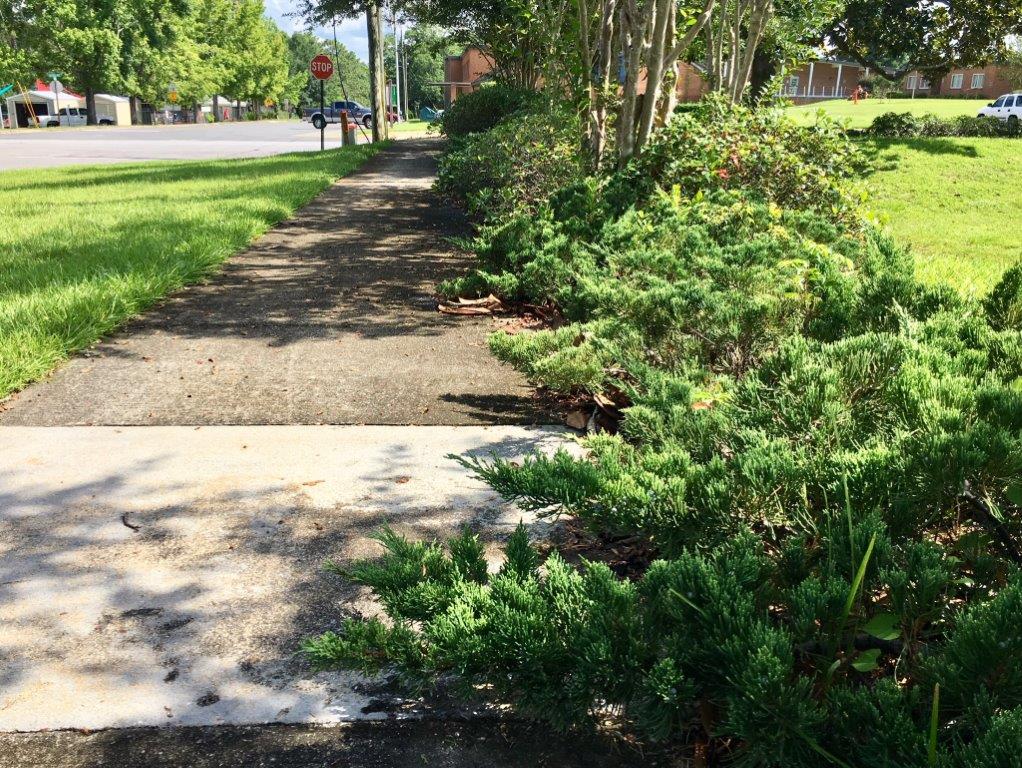
Consider replacing junipers that routinely grow over sidewalk instead of pruning to force them to fit. Credit: Larry Williams
The best time to severely prune, sometimes referred to as hard pruning (removing 1/3 or more of the height), is late winter (late February to mid-March), just before new growth occurs. When a plant becomes too large for its location, the problem goes back to planting the wrong plant in the wrong place. The plant is only doing what it is genetically designed to do. It’s a good idea to find out how large a plant grows (both in height and spread) before planting it. To plant a plant that is designed to grow ten feet in height where you need a plant that only grows three feet in height can result in having to routinely prune to “force it to fit.” Sever pruning is usually only a temporary fix as the plant still has the same root system it had prior to pruning. As a result, it usually will regrow to become in balance with its root system. Some shrubs such as boxwoods, junipers and arborvitae do not respond well to severe pruning.
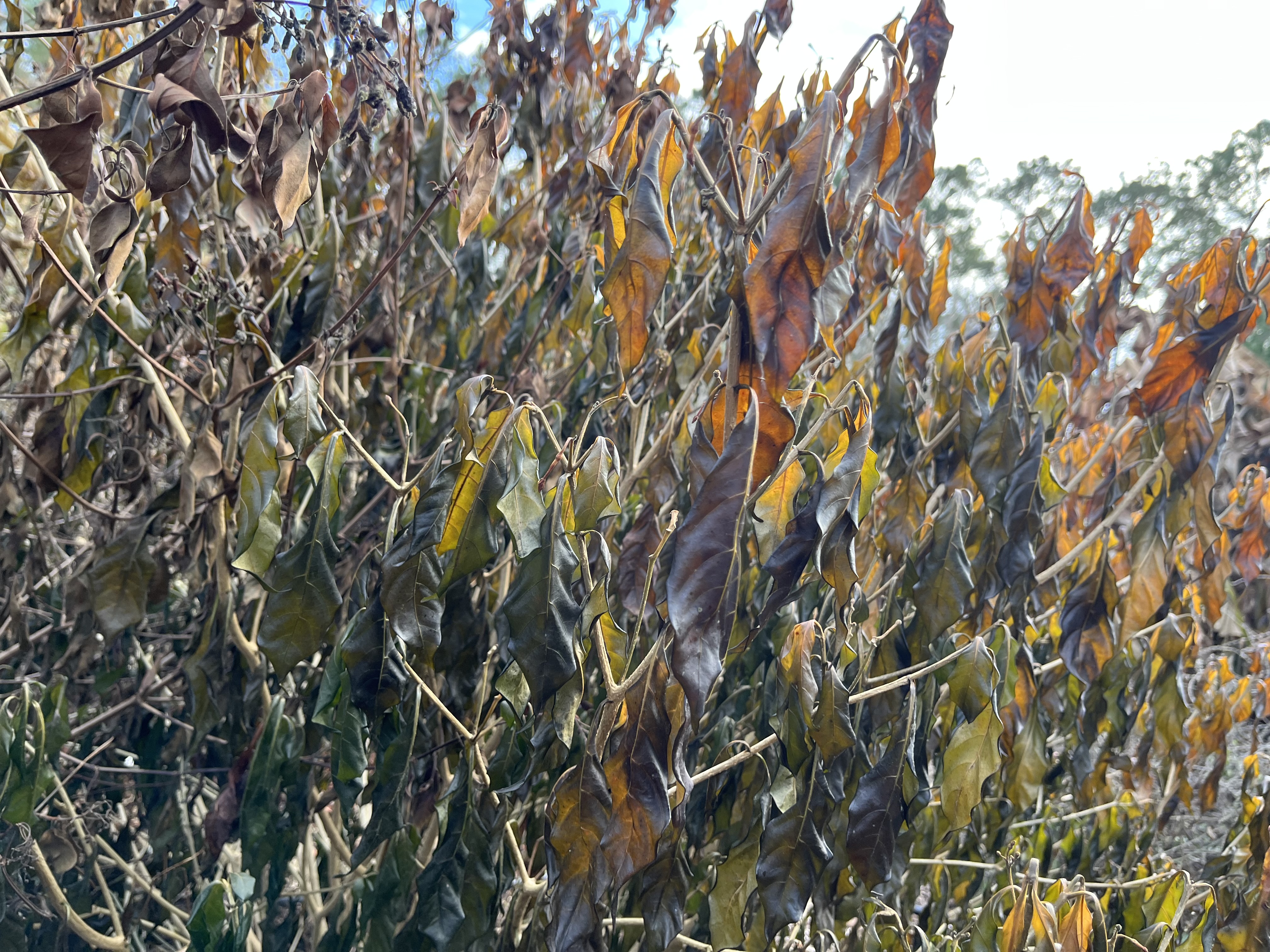
Firebush is often affected by freezing temperatures, but this winter dieback helps protect the plant, which typically resprouts in the spring. Photo by Molly Jameson.
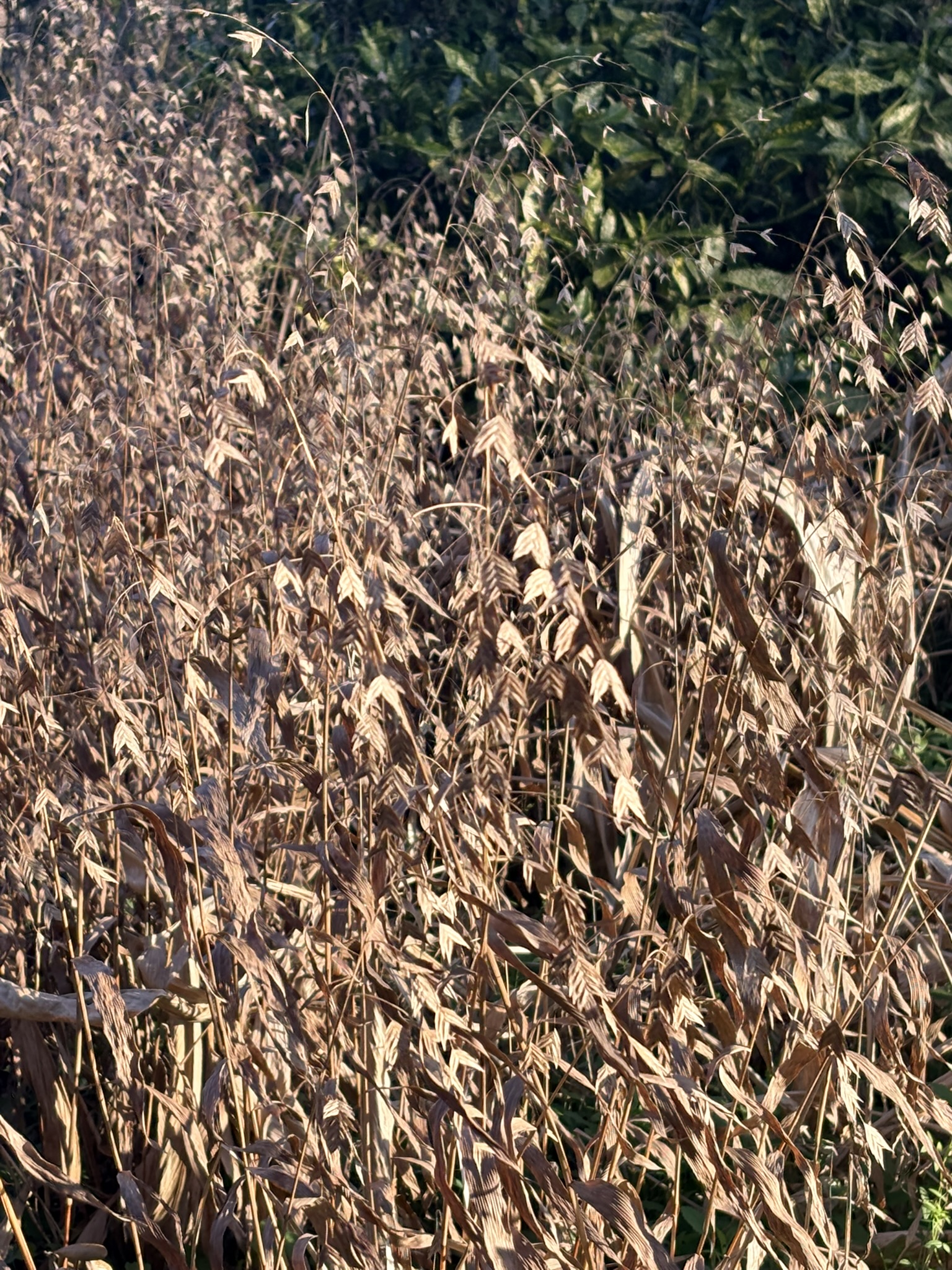
Indian wood oats hold flattened seed heads through winter, adding movement and warm tan tones to the landscape. Photo by Molly Jameson.
As we move through the coldest part of the year, you’ve probably noticed many perennial landscape plants turning brown. Your first instinct might be, yuck – where are my pruners? Those crispy leaves, spent flower stalks, and dark masses look like they need to go.
But take another look.
Consider the protection that foliage provides to the plant’s crown and buds underneath. Consider the habitat it offers overwintering wildlife. And take a closer look at the low-angled sunlight beaming through the leaves – you just might notice shades of amber, cinnamon, terra cotta, burgundy, chocolate, and gold.
Winter landscapes in north Florida don’t look like they do in spring, and they’re not supposed to. Instead of fresh growth and bright blooms, we get texture and layers of seasonal color. Dormant grasses catch the light differently than growing ones. Seed heads sway and rattle in the breeze. Large leaves collapse inward and angle downward, quietly signaling the change underway.
Brown as Built-In Frost Protection
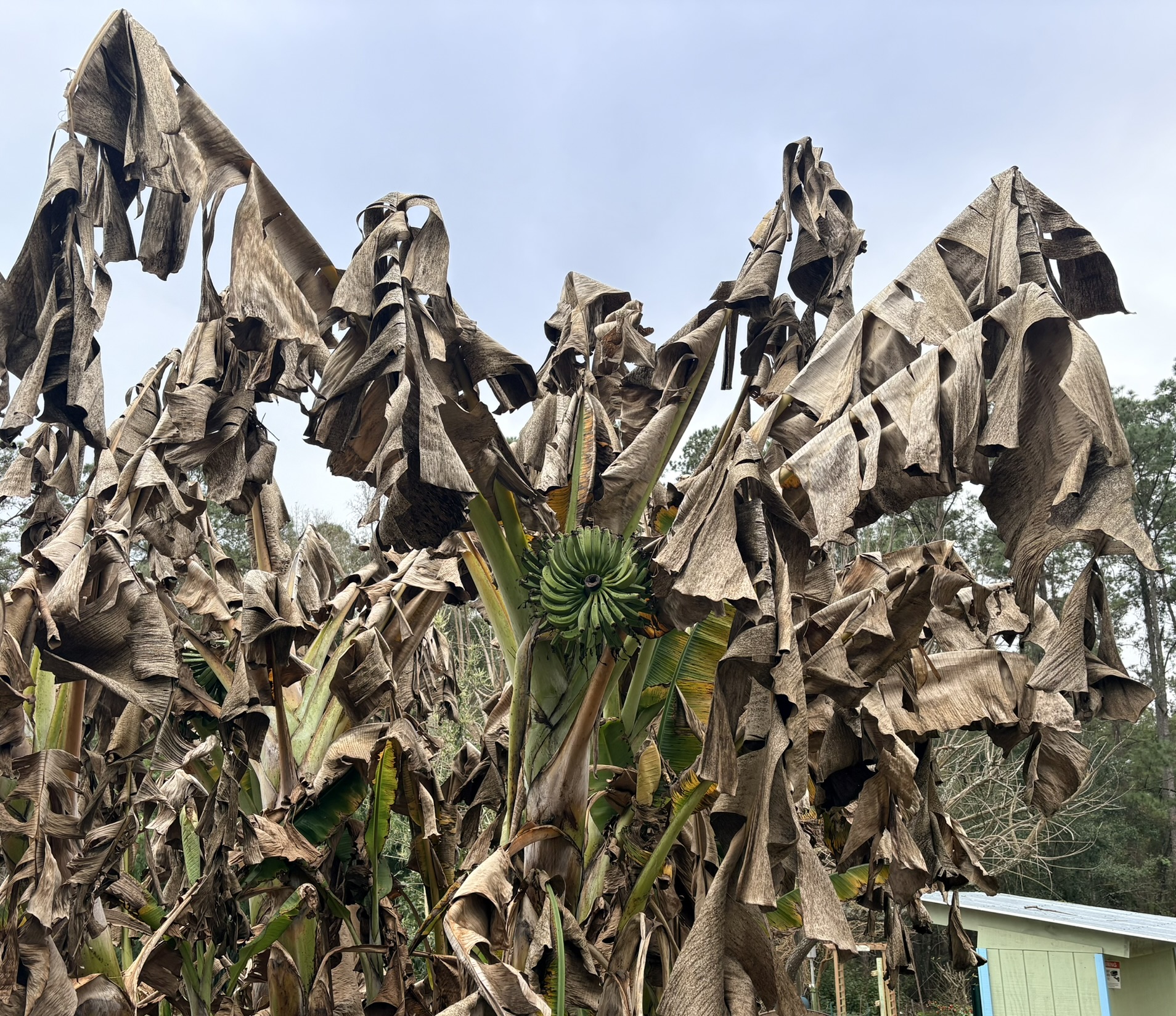
Freeze-damaged banana leaves turn brown and collapse after cold weather, helping protect the trunk and crown when left in place. Photo by Molly Jameson.
Beyond aesthetics, leaving dead or dormant foliage in place serves a very practical purpose – it helps protect plants from cold damage.
When temperatures dip into the 20s – which we experience a few nights most years – dead leaves act like a blanket. They insulate the plant crown, shield tender growing points, and reduce rapid temperature swings. This is especially important for semi cold-hardy plants and anything with a crown close to the soil surface.
Plants like ornamental ginger, firebush, beautyberry, bananas, and many tropical-looking perennials often look rough after a hard freeze. While it’s tempting to clean everything up immediately, the dead leaves are actually helping buffer plants against future cold snaps. Removing them too soon can expose sensitive new growth to damage if we get another freeze – which, in January or February, is always a possibility. In USDA Hardiness Zone 9a, it’s not unusual for the last frost to occur as late as mid-March.
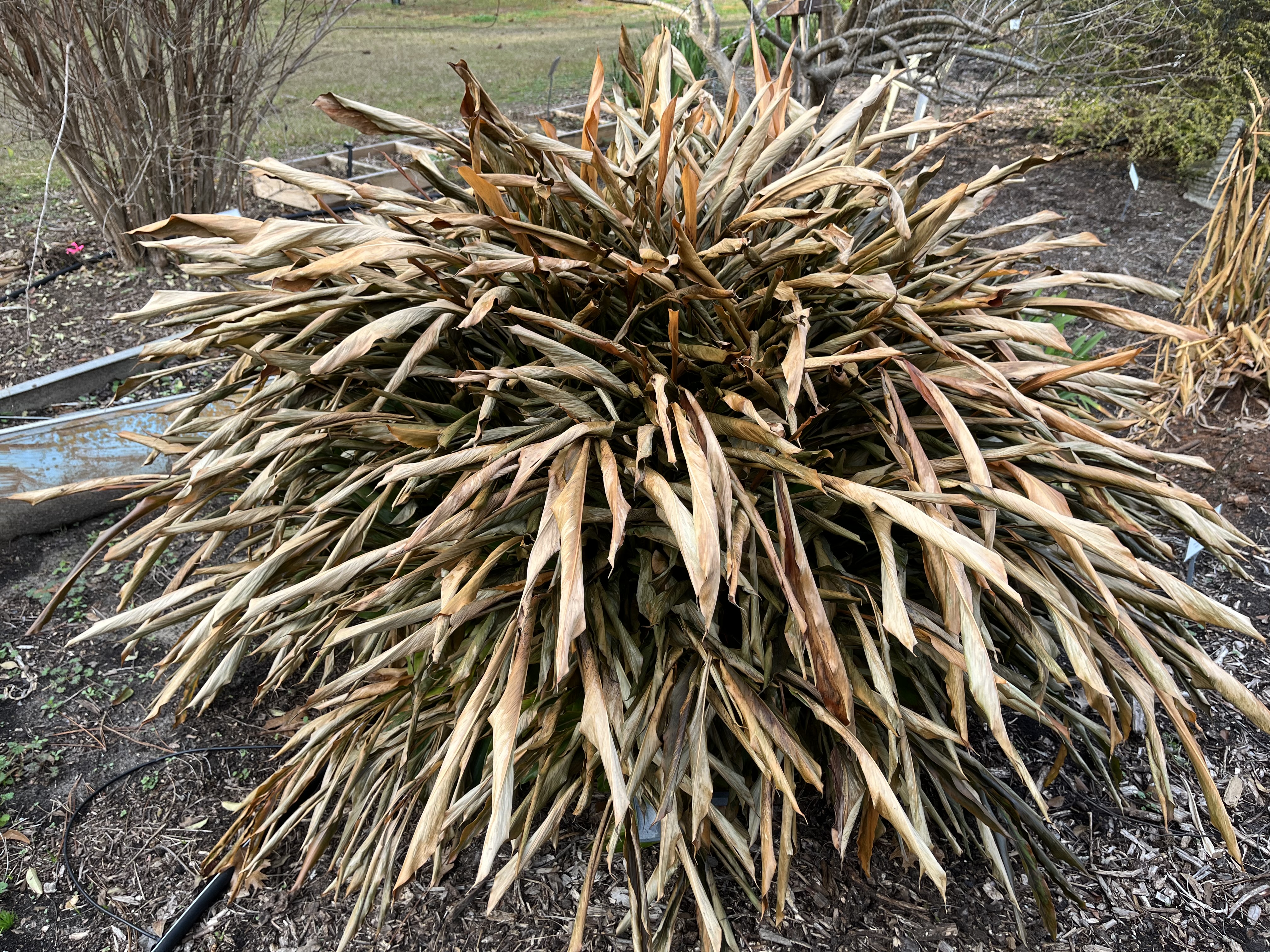
Ornamental gingers naturally die back in winter, and leaving the dried foliage in place helps protect underground rhizomes until new growth begins in spring. Photo by Molly Jameson.
Delaying pruning until spring gives plants the best chance to come back strong. It also makes cleanup easier. Instead of guessing where to cut, you’ll be able to trim back to healthy, actively growing stems. Many plants surprise us by pushing new growth from what looked like dead tissue just weeks earlier.
A Few Important Exceptions
Of course, there are times when brown shouldn’t be ignored. Plants that show signs of disease, active pests, or rot may need to be cut back sooner to prevent problems from spreading.
It should also be acknowledged that some plants simply struggle year after year, no matter how patient we are. In those cases, winter can be a useful time to employ the Right Plant, Right Place Florida-Friendly Landscaping principle. If a plant routinely suffers from cold damage, disease, or stress, it may be worth considering a tougher alternative – ideally one better suited to our climate. Native plants and other well-adapted species tend to handle unpredictable weather far better than plants already living on the edge of their comfort zone.
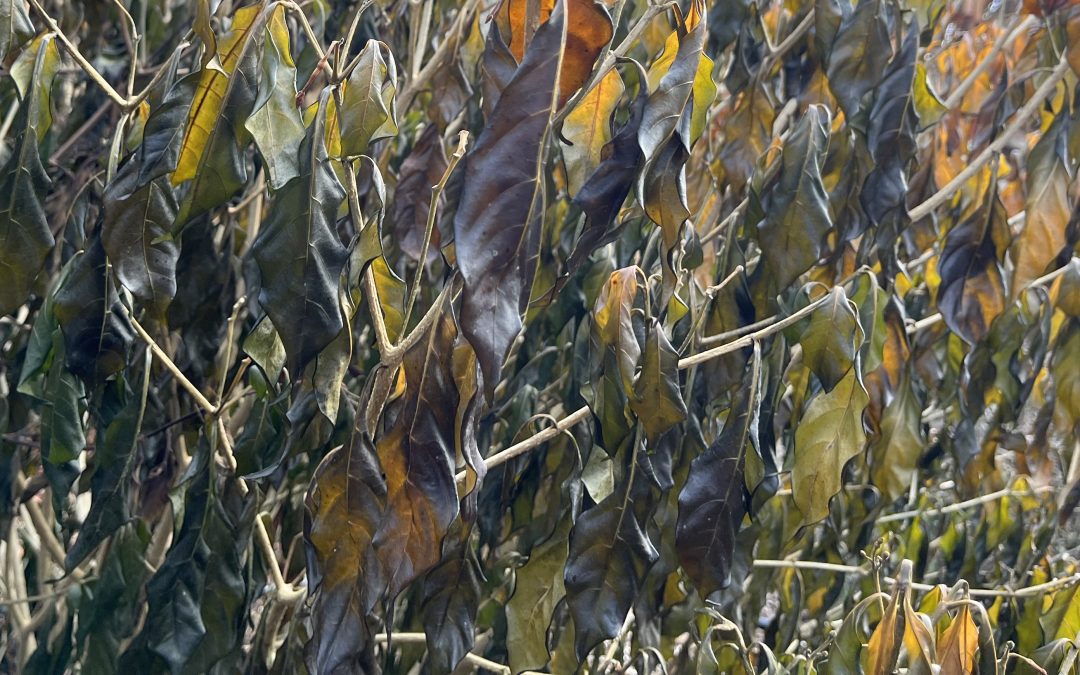
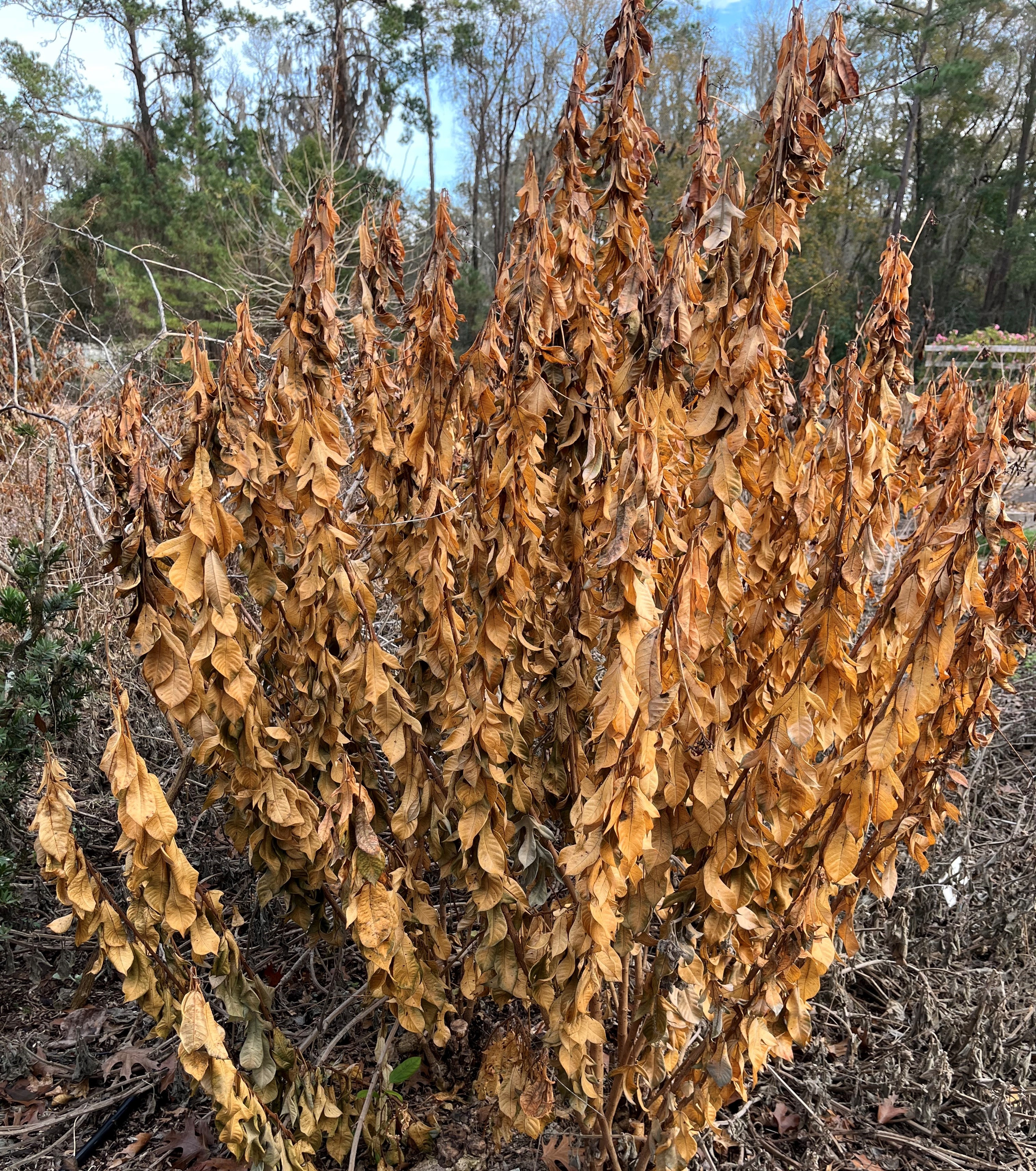
Cold-sensitive shrubs like Jatropha integerrima can show dramatic leaf browning after a freeze. Photo by Molly Jameson.
The key, of course, is intention. Leave the brown when it’s protecting the plant, but don’t feel obligated to keep it when it’s causing problems.
A Shift in Mindset
Learning to appreciate winter brown requires a small mindset shift. It asks us to value patience over order and function over perfection. It reminds us that gardens don’t need to look like the front of a garden magazine year-round to be healthy or have beauty.
So, the next time you’re tempted to declare your landscape “ugly” in winter, take another look. Notice the textures, the range of color, and the protection happening beneath that layer of brown.
After all, brown is a color too – and in winter, it’s doing exactly what it’s supposed to do.
Gifts from your garden are an easy and thoughtful way to share something special with a friend or neighbor. They can be low- or no-cost gestures that tells someone you are thinking of them.
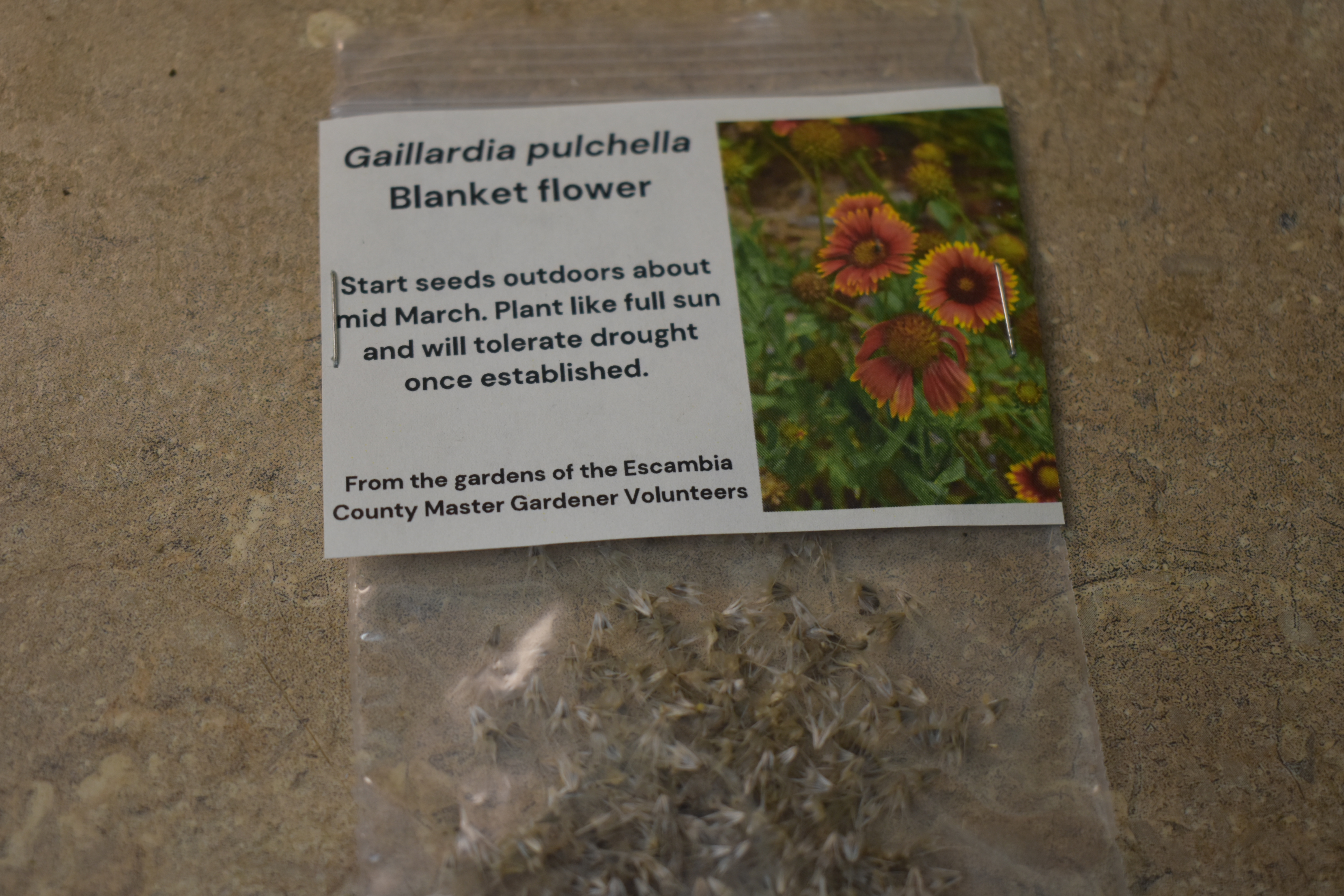
Many of us have annuals and perennials that reseed in the garden. If you have already saved seed, just package those up and make a label with planting details. Your label can be printed or homemade.
There are many native and Florida Friendly plants that offer seeds for you to share with friends. Photo by Beth Bolles, UF IFAS Extension Escambia County
A few common plants that offer plenty of seeds include Rudbeckia, Zinnia, Blanket flower, Native milkweeds, and sunflowers. Just collect a few mature flower heads, separate the seeds from the debris and let the seeds dry out on a towel for a couple of days. Remember there are numerous sources of seeds locally and online that offer a large variety of flowers and edibles when you need a prepackaged gift. Just add in a recycled tray or homemade cups for starting seeds.
If you don’t have seeds available now, consider plants that can be divided from your garden. Stoke’s aster, daylilies, gingers, and Toadlily are just a few. Find a recycled pot for plants that have leaves or add ‘bulbs’ to a small decorative bag with a label.
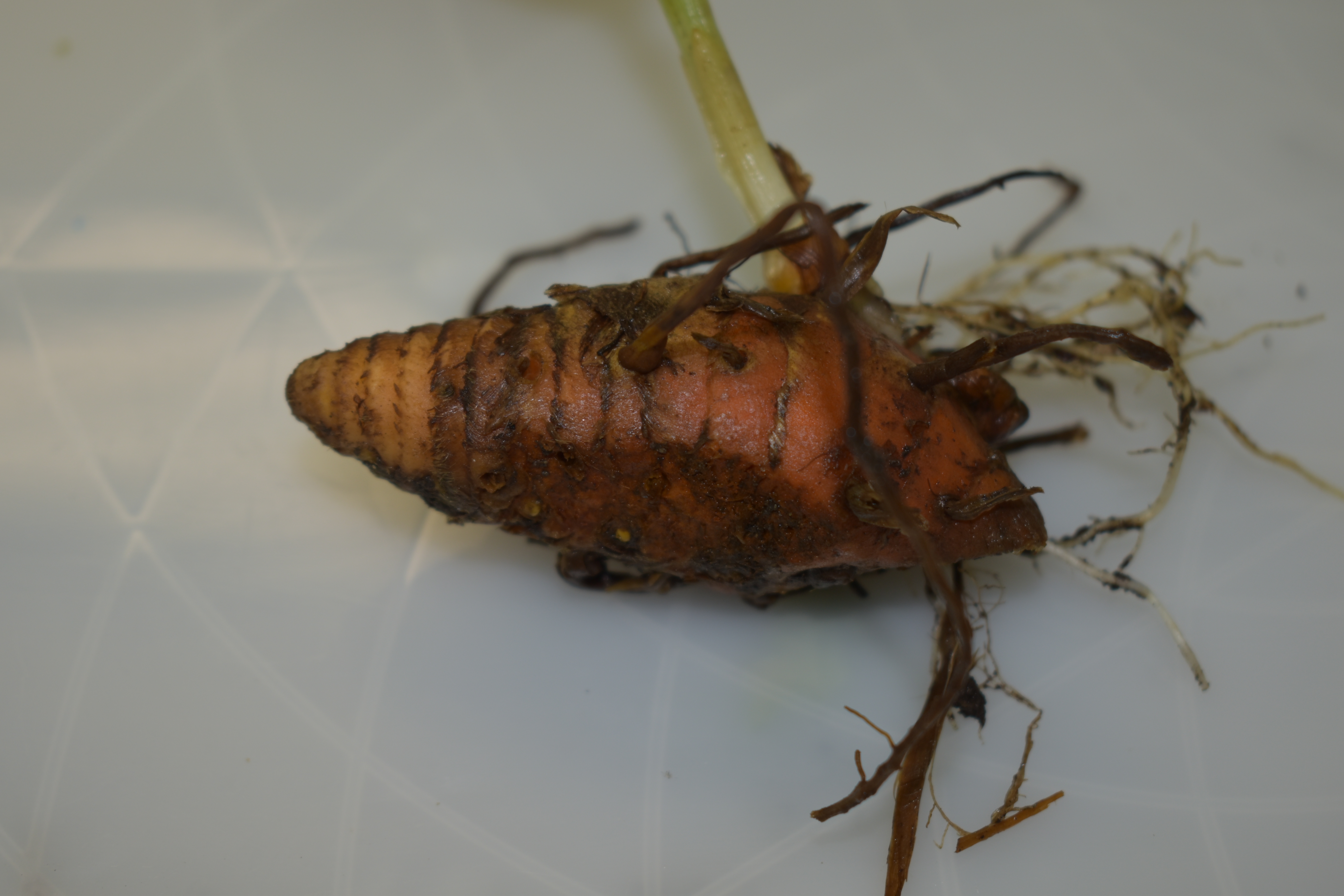
For those with a green thumb, consider taking a few cuttings of easy to root herbs or annuals. These plants will be ready for a small 4 inch pot in a short time. If you are not able to easily root plantings, consider sharing a piece of a turmeric or edible ginger stems. These can also be purchased from the store for starting new plants.
A plant is often a lasting gift, offering positive memories and beauty in the garden.
Many herbs, like rosemary, are easy to start from cuttings. Photo by Beth Bolles, UF IFAS Extension Escambia County.
Fresh turmeric from the garden or store is easy to grow in a container. Photo by Beth Bolles, UF IFAS Extension Escambia County
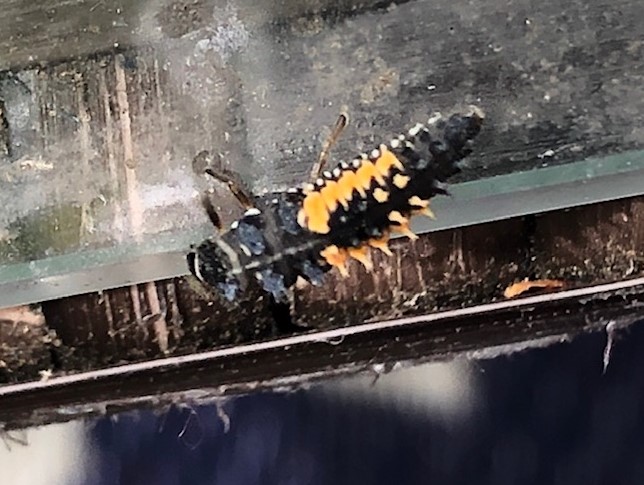
Beneficial juvenile ladybugs bear almost no resemblance to their adult form. Photo credit: Carrie Stevenson, UF IFAS Extension
When maintaining a garden, knowing the difference between your enemies and the “good guys” is half the battle. Once, I was teaching a group of landscape maintenance folks about beneficial insects, and quizzed them on their bug identification skills. I flashed up an image of a larval ladybug and asked if they knew what it was. No one in the class could identify it. I followed up with, “If you saw this in a client’s landscape, would you use a pesticide?” All but one responded that they would.
Thankfully, I was able to teach them something useful that day and avoid the unnecessary slaughter of baby ladybugs. But the larger issue to address was this “shoot first, ask questions later,” attitude. In reality, the beneficial—often predatory—insects are larger and fewer in number. It’s analogous to the smaller numbers of any apex predator in comparison to its prey; think about the dozens of lions vs thousands of antelope in the savanna, or hundreds of sharks vs hundreds of thousands of fish in swaths of ocean. The proportions are similar in the insect world. When predator insects are indiscriminately killed off, prey insects that harm plants can multiply in rapid numbers. The reproductive cycles of beneficial insects are often slower than smaller prey insects, so it becomes nearly impossible to restore a healthy balance.
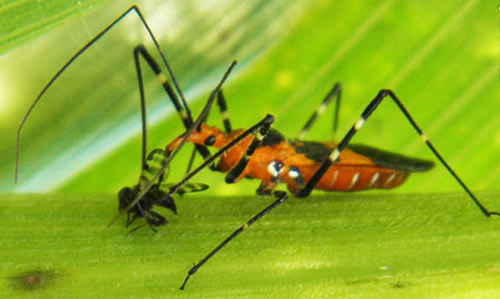
Adult assassin bug feeding on a cornsilk fly. Photo credit: Megha Kalsi, UF
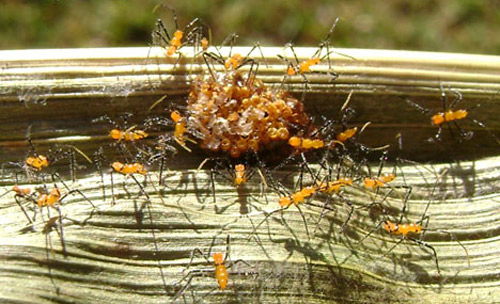
One such beneficial common to northwest Florida gardens is the milkweed assassin bug. Leggy and intimidating with black highlights and bright orange warning coloration, it is a daunting figure to prey insects and humans alike. The milkweed assassin bug, (Zelus longipes) is named for its similarity in appearance to the (unrelated) milkweed bug.
Nearly everything eats a juicy tomato, pepper, or leafy green vegetable, but the assassin bug leaves the plants alone. As suggested by its name, the assassin bug is a killer—a top predator among insects. An assassin bug does not go easy on its prey, which typically consists of beetles, flies, tomato hornworms, and even roaches and mosquitoes. Once the prey is ambushed, the bug uses its rostrum to “impale them, inject venom, and suck the body contents.”
While considered a beneficial species that protects the food we’ve worked so hard to grow, don’t assume the assassin bug is particularly friendly. It does not deliberately attack humans, but will defend itself if threatened. The bite of an assassin bug is said to be quite painful, and will result in a small itchy lump. There are no toxins present, though, and the bite will resolve itself fairly quickly.
So, if you see one of these fascinating little creatures crawling in your garden, leave it be. It is no doubt doing its job, hunting down pest insects one by one and slurping their guts out.