Invasive Species Awareness: How is Your Invader Knowledge?
Invasive species are non-native or exotic species that do not naturally occur in an area and cause economic or environmental harm or harm to human health. These invasive species have become the number one threat to biodiversity on protected lands. However, invasive species do not know boundaries and as a result public and private lands are affected as well as natural and man-made water bodies and associated watersheds. Northwest Florida is home to many unique habitats, including upland, wetland, and marine. These habitats, housing a variety of plants and animals, make this area considered as one of the top six biodiversity hotspots in the country. These invasive species threats can come in the form of both plants and animals, in Florida there are over 500 non-native fish and wildlife species and over 1180 non-native plant species that have been documented. Exotic species are able to outcompete many natives causing habitats to degrade, animals to leave, and can introduce diseases that can destroy economically important species. This is a worldwide issue that can be addressed on local levels. One of the most effective ways to control invasive species is by prevention, just by becoming invasive aware can help to control some of these issues.
So how aware are you? Recreationalists such as boaters, fishermen, pet owners, gardeners, hikers and travelers can be unknowing dispersers of invasive species. These everyday steps can help: By cleaning and draining your boat, gear and trailer between water bodies can stop the spread of species that may be hitchhiking on your equipment. If you are a pet owner and find yourself in a possession of a pet you no longer want or can care for, it is important not to release these into the wild. No pet, either native or exotic, should ever be released. This act can cause more harm than good, not only to your pet but to the other native wildlife. Follow the simple tips on Habitattitude to get tips on alternatives to releasing your pet. When out enjoying nature while biking, hiking, camping, birding, etc. take care to check where you are trekking, what might have attached to your clothing, making sure you do not end up being an unwitting disperser. Gardeners, even you can help especially when dealing with non-native plant dispersal. Not all non-native plants are bad but make sure that the plants you are putting in your garden are not harmful invaders that will make it into natural areas. Verify your plants by making sure they do not occur on the invasive plant list which can be found at http://www.fleppc.org/. There are many ways to get involved in the battle against invasive species. For more information about National Invasive Species Awareness Week (NISAW) please visit http://www.nisaw.org/, landowners can join your local Cooperative Invasive Species Management Areas (CISMA) group or for more info on local invasive species contact your UF/IFAS extension office. Look for the invasive species of the day posts on the Panhandle Outdoors Extension Newsletter blog throughout NISAW to increase your awareness of local invasive exotic species.
For more information, please contact Brooke Saari, Florida Sea Grant Marine Science Agent, Okaloosa/Walton County UF/IFAS Extension by phone 689-5850 or email bsaari@ufl.edu.
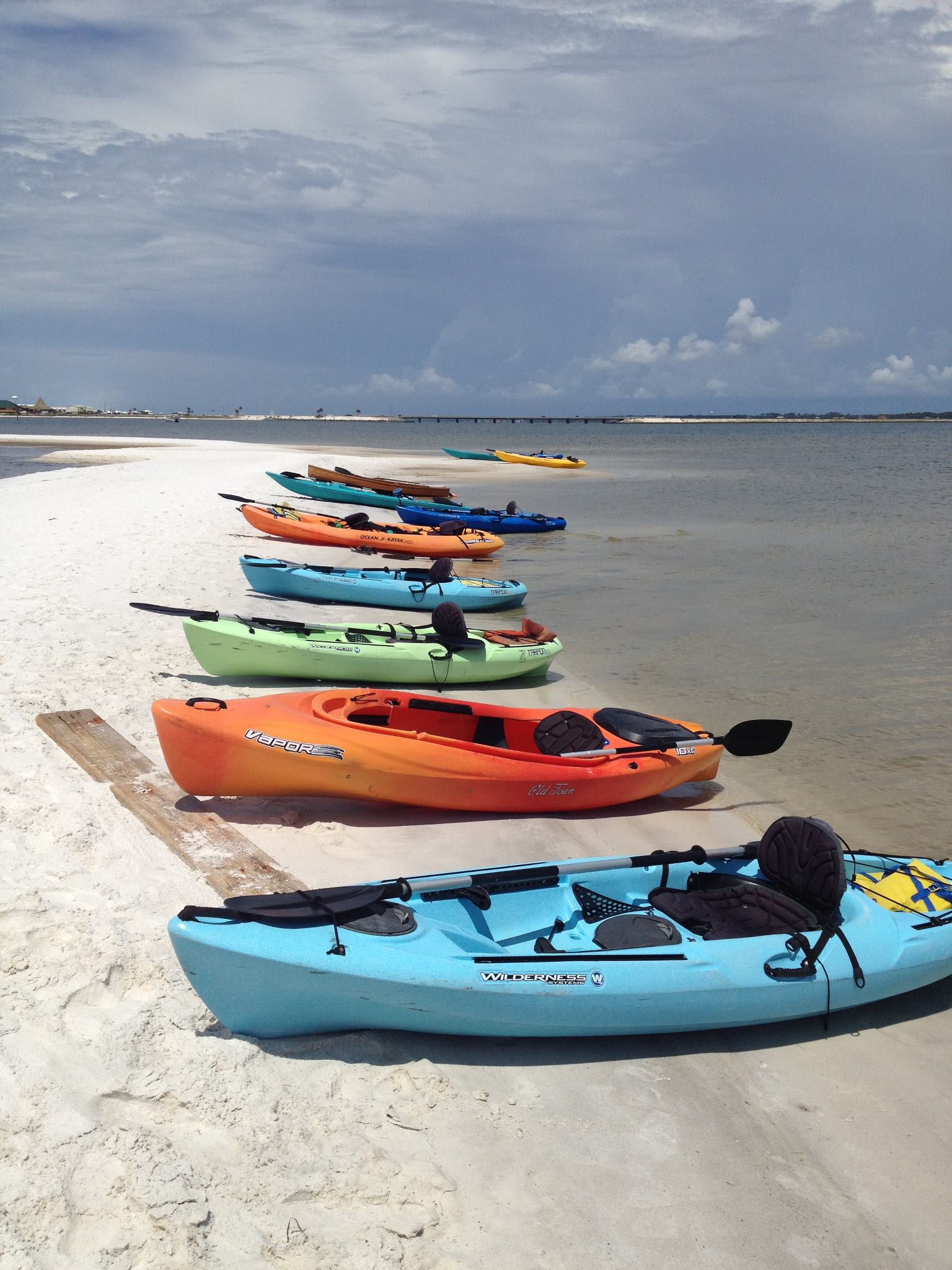
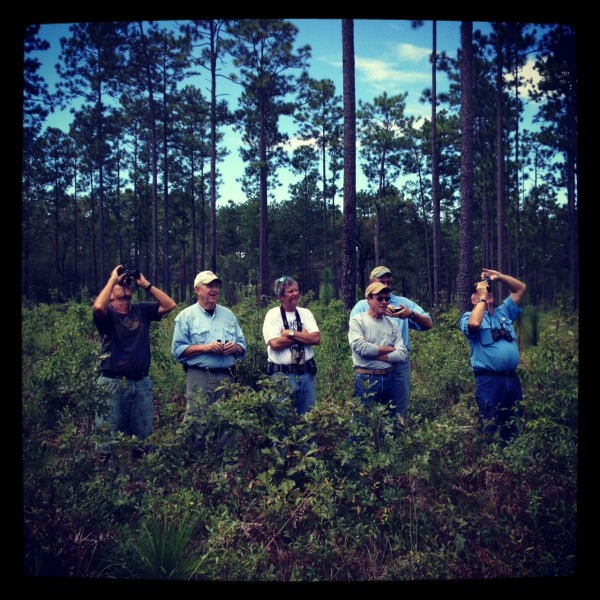
Are you interested in exploring and discovering more about the waterways and wildlife around you? If so, Panhandle Outdoors LIVE may be right up your alley. In 2012, natural resources Extension Agents took over 200 people on trips from Perdido to Apalachicola, and this yearlong series of hiking, boating, and kayaking trips is back by popular demand with 9 new locations. Local experts will provide you with insight into the “real” Florida and take you to places unique to our corner of the world. We promise you’ll go home with a new appreciation for our Florida ecosystems!
November 15: Seagrasses & Manatees of Apalachee Bay (Wakulla County)
Each day starts at 9:30 am central/10:30 am eastern and runs to 4:00 central/5:00 eastern. Please arrive at least 20 minutes early for each trip to ensure the events can start on time. Depending on location, moderate walking, hiking, swimming, and/or paddling may be involved. Lunch, park entry fees, and rentals will be provided for each participant (18 and up only) at a cost of $30.
Enjoy exploring Northwest Florida during Panhandle Outdoor Live 2013
Necessary equipment and clothing will vary based on weather and location, but participants should bring sturdy shoes, drinking water, sunscreen, and a camera to each trip. Transportation to each location will be facilitated by carpooling, and some counties may be able to provide transportation.
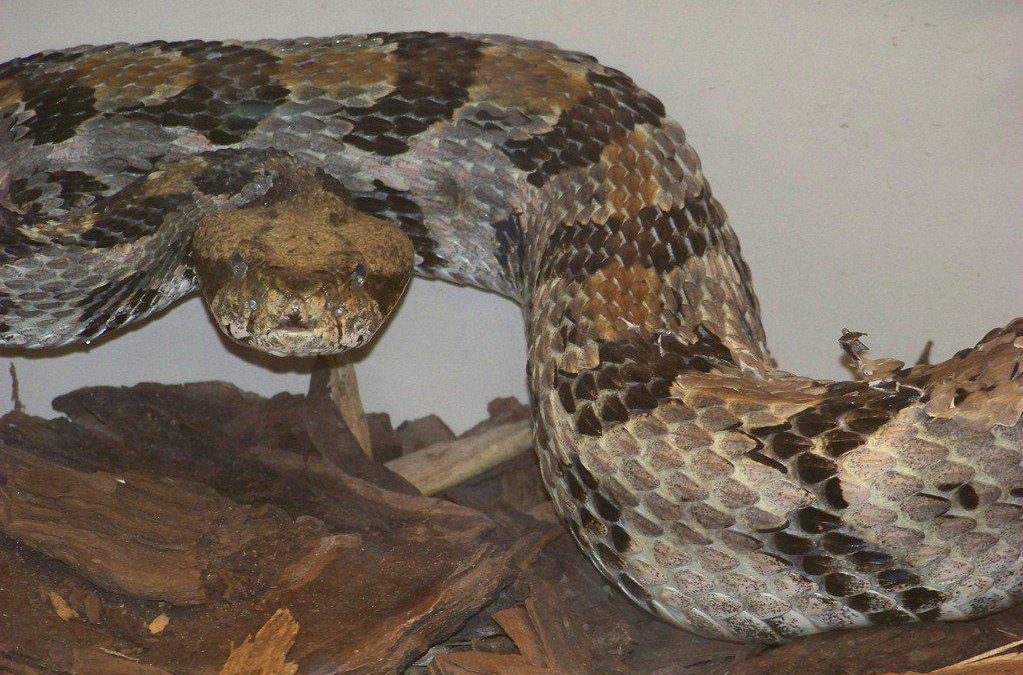
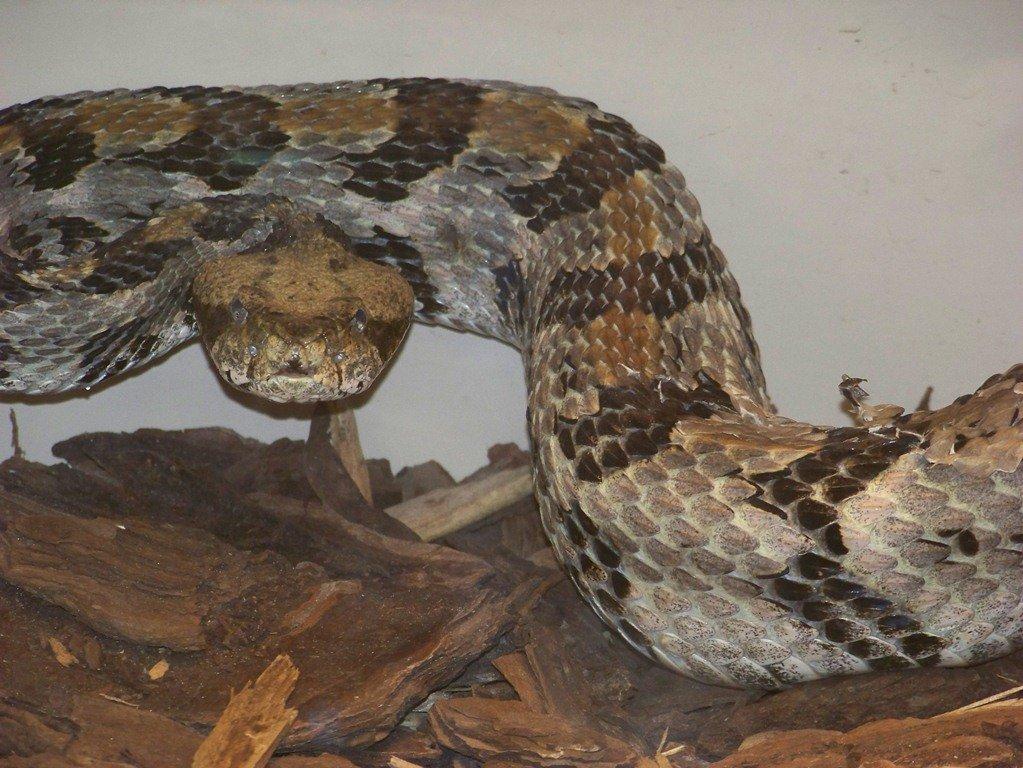
The Timber Rattler, also known as the Canebrake Rattlesnake can grow to over 6 feet. Commonly found in damp woodland environments. Photo Courtesy of Molly O’Connor
The Southeast Partners in Amphibian and Reptile Conservation has dubbed 2013 as the “Year of the Snake”. There are many animals that strike fear in humans but little cause more than snakes. Interestingly kids seem to like them. It is when we become an adult that we do not. Why is that?
Snakes are very cryptic and stealthy hunters preferring the mode of hide-ambush. We encounter them along a trail only to be surprised and the “surprise” scares us to death! Many people do not like surprises and never want to experience that feeling again; so snakes become enemies.
The ole saying “the only good snake is a dead snake” is very true to many people. Many of us have encountered snakes and a few may have been bitten. Studies suggest that 95% of humans bitten by snakes are either trying to catch it, or kill it. So the lesson is clear… if you do not want to get bit, leave it alone.
Snakes in fact do very good things for us. They are one of the best “rodenticides” you will find. It is actually better to find a snake in your barn than a rat. Like spiders and bats, which consume thousands of unwanted insects, snakes should be appreciated for what they do for us and left to do it.
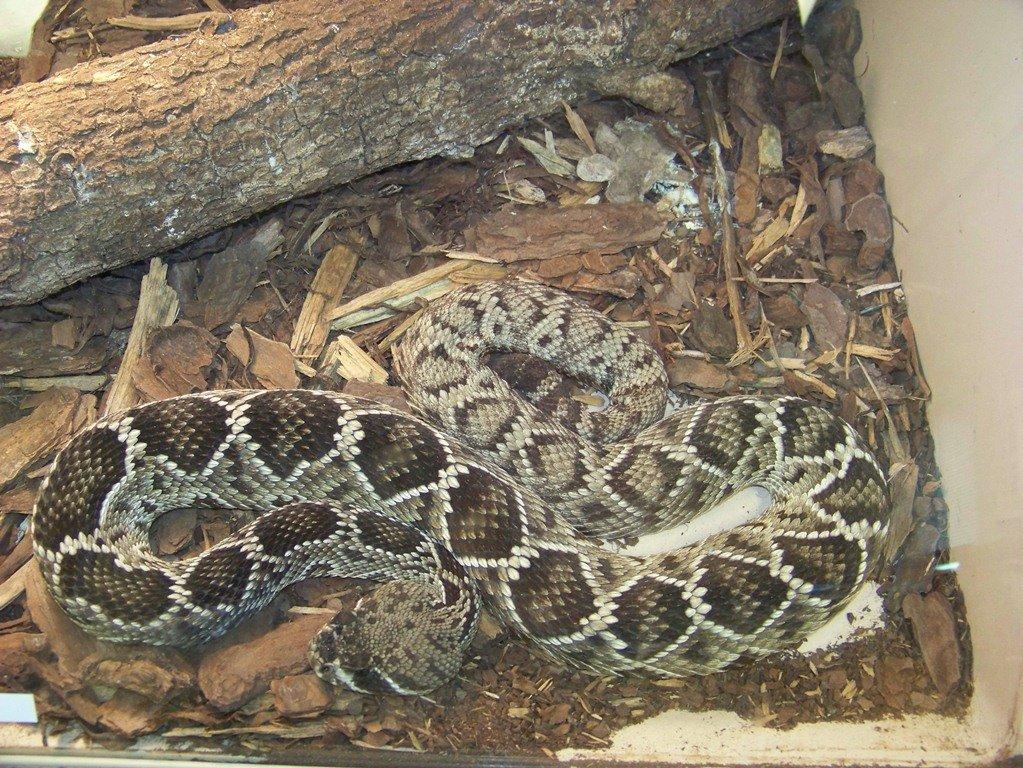
This diamondback has beautiful camouflage markings, helping it hide and ambush prey. Photo courtesy of Molly O’Connor.
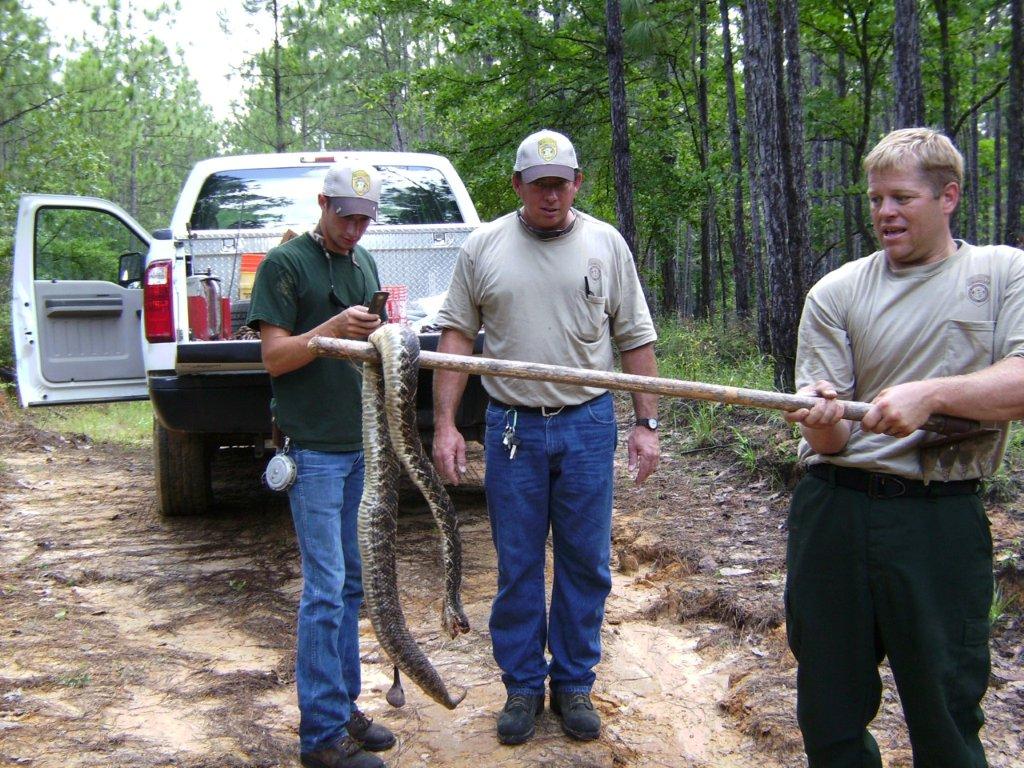
A large snake like this almost invites the adventurous to chase and pick it up. This is not recommended since 95% of snake bites occur while trying to pick-up or kill a snake. Better to leave in place and give space. Photo courtesy of Alan Dennis.
Ray Ashton lists 66 species and subspecies of snakes in the state of Florida. Only 6 of these are venomous. 60 (91%) of Florida snakes belong to the Family Colubridae. All colubrid snakes in Florida are non-venomous. They can be distinguished from the others by their round pupils, narrow heads, and solid (non-hollow) teeth. There are five species of Florida snakes in the Family Viperidae. The “pit-vipers” have hollow hinged fangs through which they can inject venom. They possess elliptical pupils and have a “pit” between the eye and nostril that can detect infra-red heat. One species, the coral snake, is found in the Family Elapidae. Elapids are some of the most venomous snakes in the world and include such animals as the cobras and sea snakes. They differ from pit-vipers in that they have round pupils and small heads (not “diamond” shaped) and differ from colubrids in that they have straight hollow fangs for injecting venom.
Snakes do not chase people down; they are actually afraid of us and only bite in defense. All snakes warn before they bite. Some snakes will musk hoping you smell it and move away. Most snakes will shake their tails; often against dead leaves to make a rattling sound. Many will make themselves look larger by opening their mouth wide or by flattening out their head and/or body. They do not want to bite; they bite as a last resort.
Rick O’Connor shows non-venomous snake to kayakers on recent field trip. Photo courtesy of Carrie T. Stevenson.
To celebrate “THE YEAR OF THE SNAKE” we will be posting articles on different snakes found in Northwest Florida each month over the course of 2013. If you are interested in more information, contact Rick O’Connor at roc1@ufl.edu or call 850-475-5230. This month’s Snake Pictures are rattlesnakes!
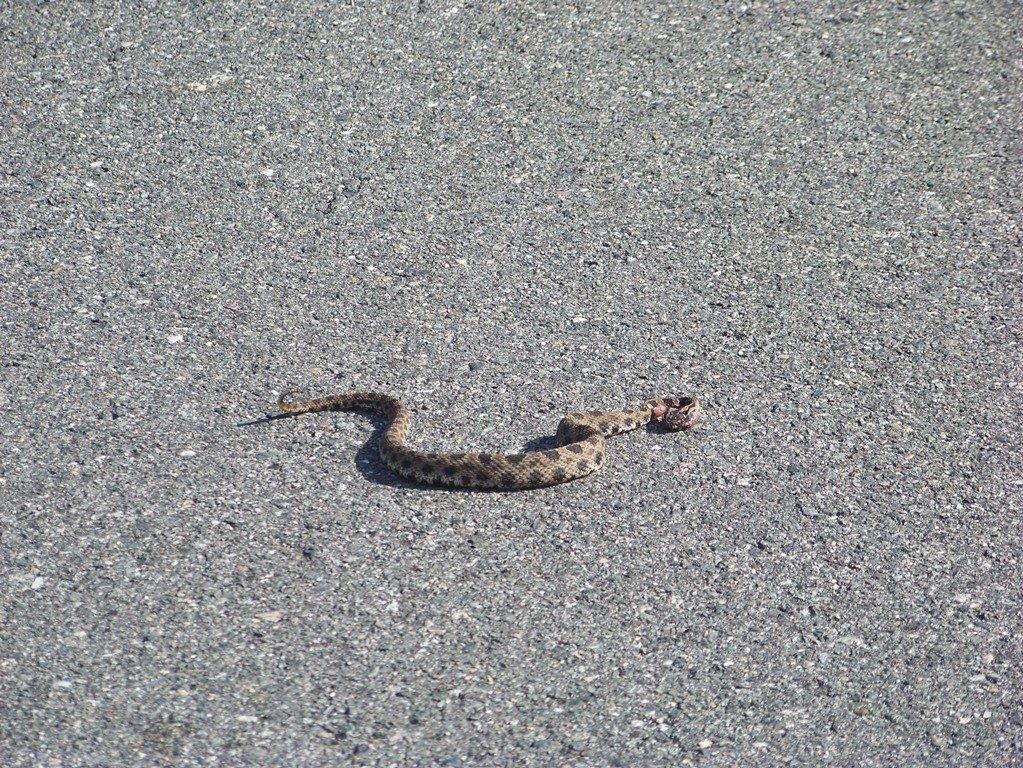
The smallest of the rattlesnakes is the pygmy. It’s also the smallest venomous snake in Florida. Despite it’s size, it’s capable of holding it’s own when it feels threatened. Photo courtesy of Molly O’Connor
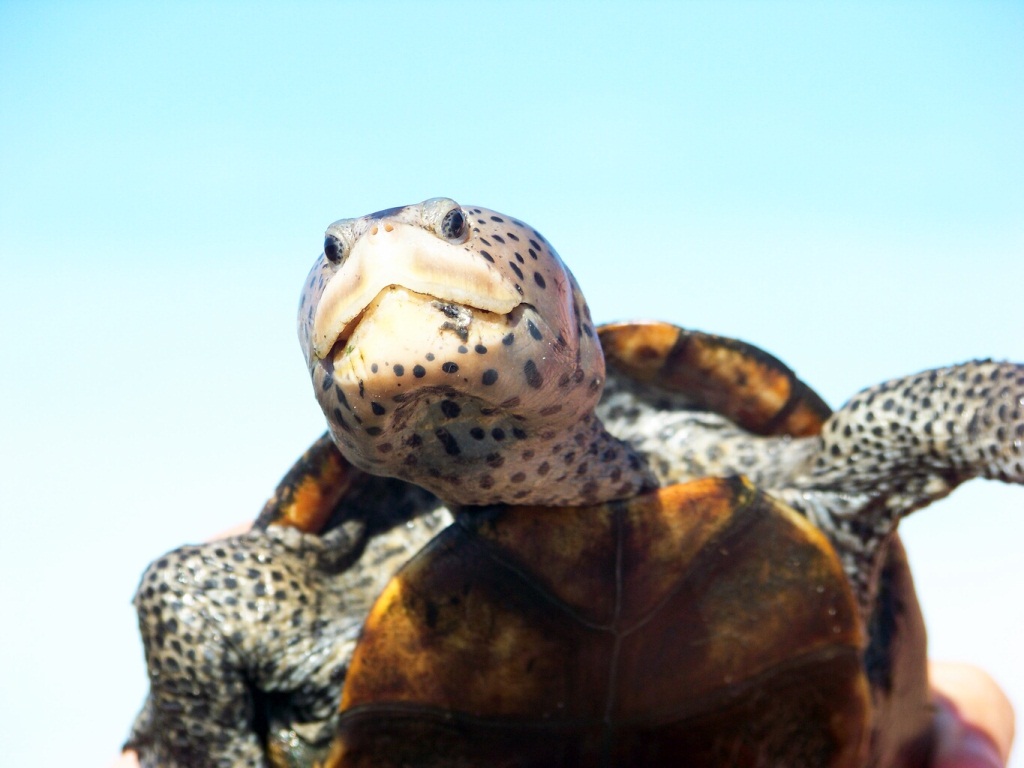
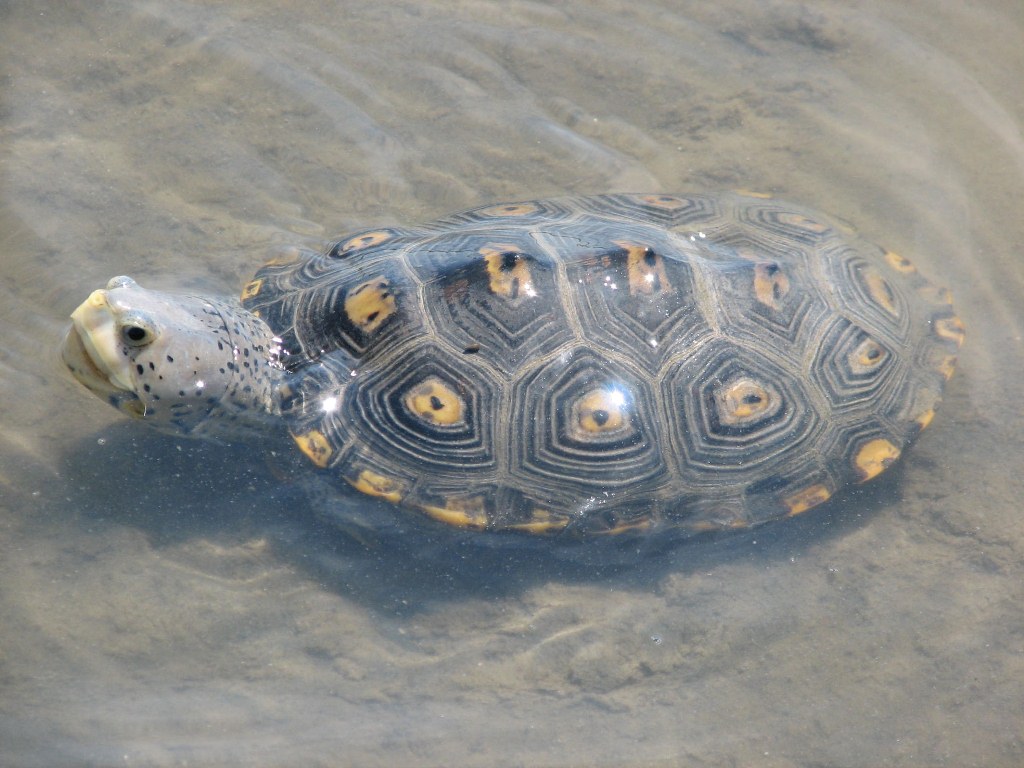
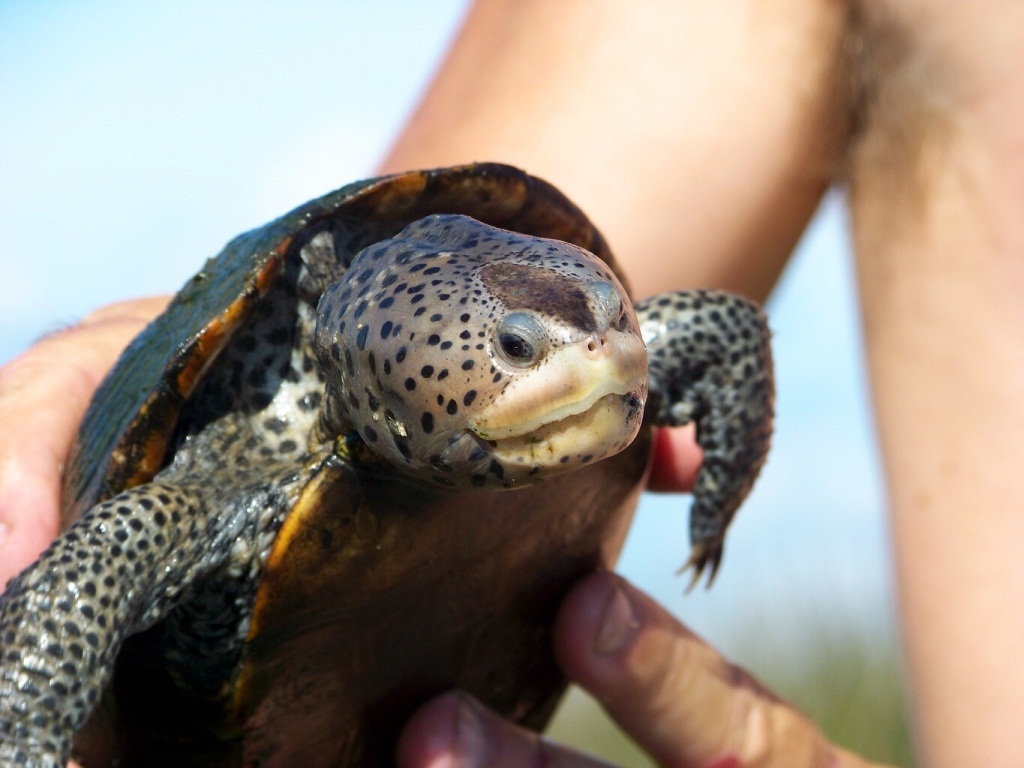
It is hard to say one turtle is more beautiful than another but this is one beautiful turtle! The diamondback terrapin is the only brackish water turtle in the United States. These turtles can be easily distinguished from other species by their light colored skin with dark spots, and their choice of habitat – salt marshes.
Ornate Diamondback Terrapin (photo: Dr. John Himes)
Terrapins inhabit creeks within marshes close to where they were born and rarely range from their natal home. They require dry ground for nesting. Terrapins spend their time basking in lagoons near the surface or on open mudflats at low tide. They feed primarily on shellfish, preferring snails and bivalves, but will also feed on small crabs, shrimp, worms, fish, and occasionally vegetation.
The females are larger than the males and have shorter tails. Mature females typically lay 6 to 10 eggs and will nest more than once in the same year. Nesting begins in late April in our part of the country and females laying multiple clutches will do so every 16 days. The sex of the offspring is determined by the nest temperature (warmer than 29˚C = females) so generally the eggs in the upper part of the nest are female. Unlike sea turtles, female terrapins approach the nesting beach at high tide during daylight hours. Most of the nests we find in Santa Rosa County are near salt bush (Baccharis sp.) but we have found them in open areas or near debris like driftwood. They also differ from sea turtles in that young head away from open water preferring the plants of the marsh. The heaviest predation is on the eggs and young. The dominant nest raider is the raccoon. Hatchlings are preyed upon by raccoons, otters, skunks, crows, and sea gulls; adults have few predators.
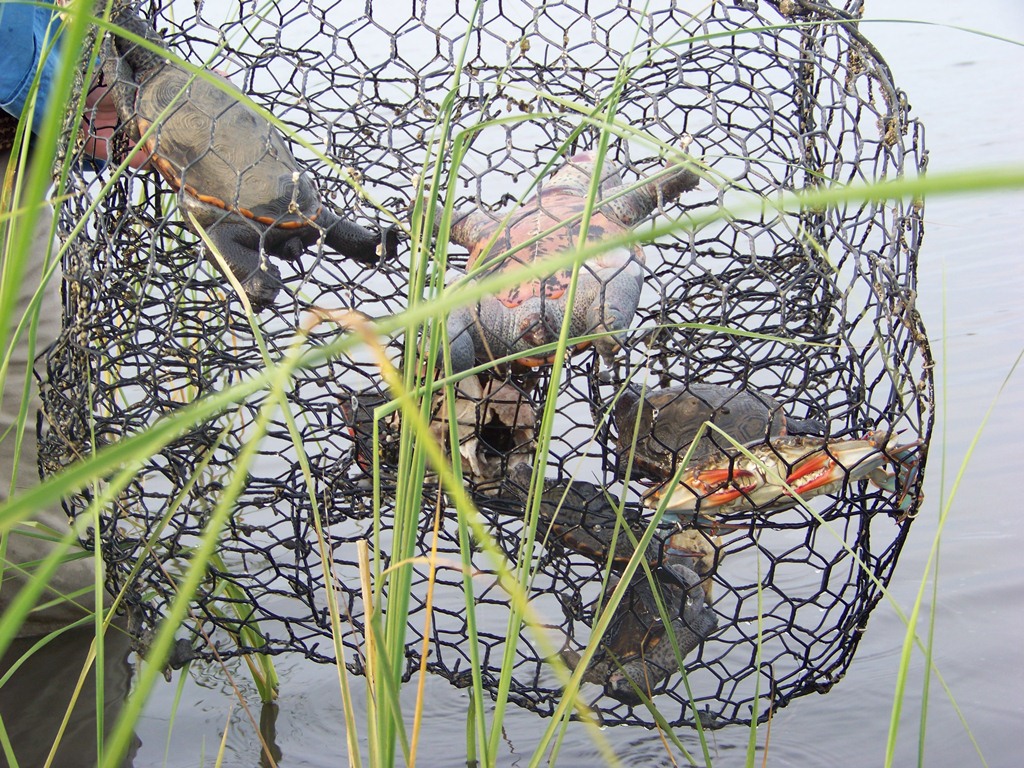
Terrapin populations have declined over the last 150 years. In the late 19th century it became very popular to eat them and the demand for the animal became an economic dynamo for many coastal fishermen. Terrapin researchers from the University of Alabama at Birmingham found a newspaper article from that time period that discussed a terrapin farm in Mobile County that had 25,000 terrapins; suggesting they were once very common. With the increase in the popularity for food their numbers decreased, this caused an increase in price and a decline in their popularity. The introduction of the crab trap in the 20th century became problematic for them. Terrapins swim into traps and can not reach the surface to breathe. In some states a “by-catch reduction device” or BRD is required on crab traps. Studies of these in New Jersey and Florida showed they have no significant impact on the crab catch but do reduce the number of terrapins captured. BRDs are not currently required in Florida as commercial traps are actively fished and bycatch removed when crabs are harvested. “Derelict” crab traps are those that are not actively being fished, killing all sorts of aquatic life. Derelict crab trap removal events which removes this potential hazard to turtles and to blue crabs as well.
We have been conducting a monitoring program assessing the status of Terrapins in the Panhandle since 2006 and have found at least one in every coastal county between Alabama and the Apalachicola River. We have identified five nesting beaches and believe that one population has between 25-50 individuals within it (likely much lower numbers than historically found). The marsh turtle status is certainly of concern for many biologists.
To learn more about terrapins and the crab trap removal program visit the following websites or call your local extension office. For more information on obtaining a bycatch reduction device (BRD) for your recreational crab traps contact Rick O’Connor, 850-475-5230.
Terrapins in a derelict crab trap (photo: Molly O’Connor)