Winter Bliss and Climate Challenges in North Florida Gardens
Gardening is far more than a pastime, it’s an endeavor that demands patience, skill, and dedication. Every plant requires careful attention to thrive, and every gardener knows the challenge of protecting their landscape against nature’s shifting moods.
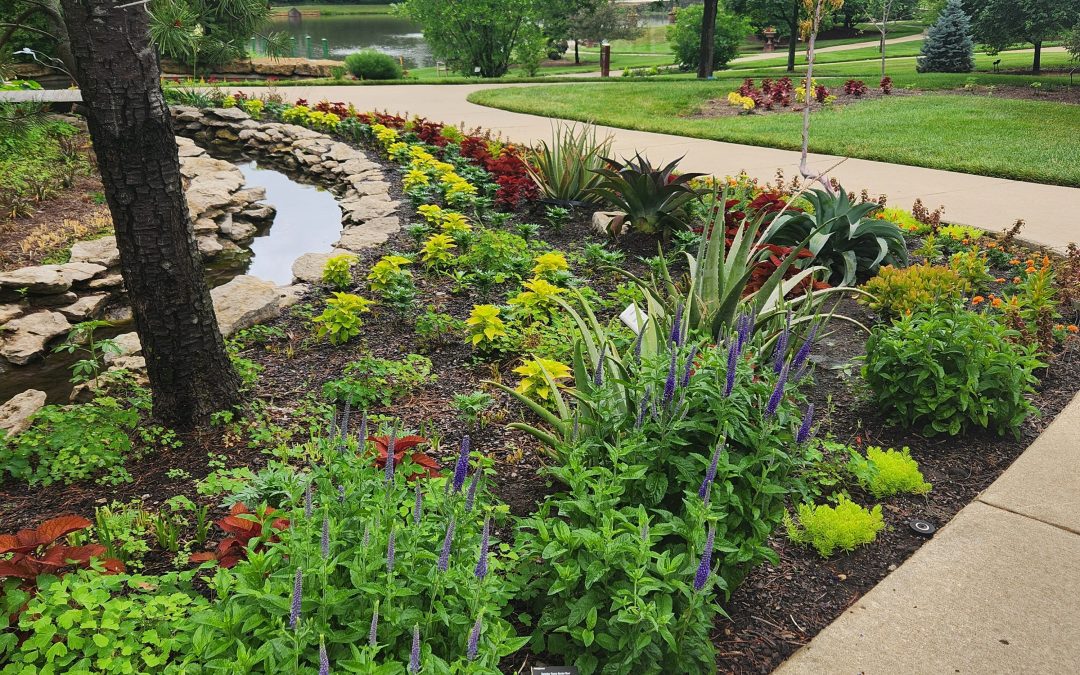
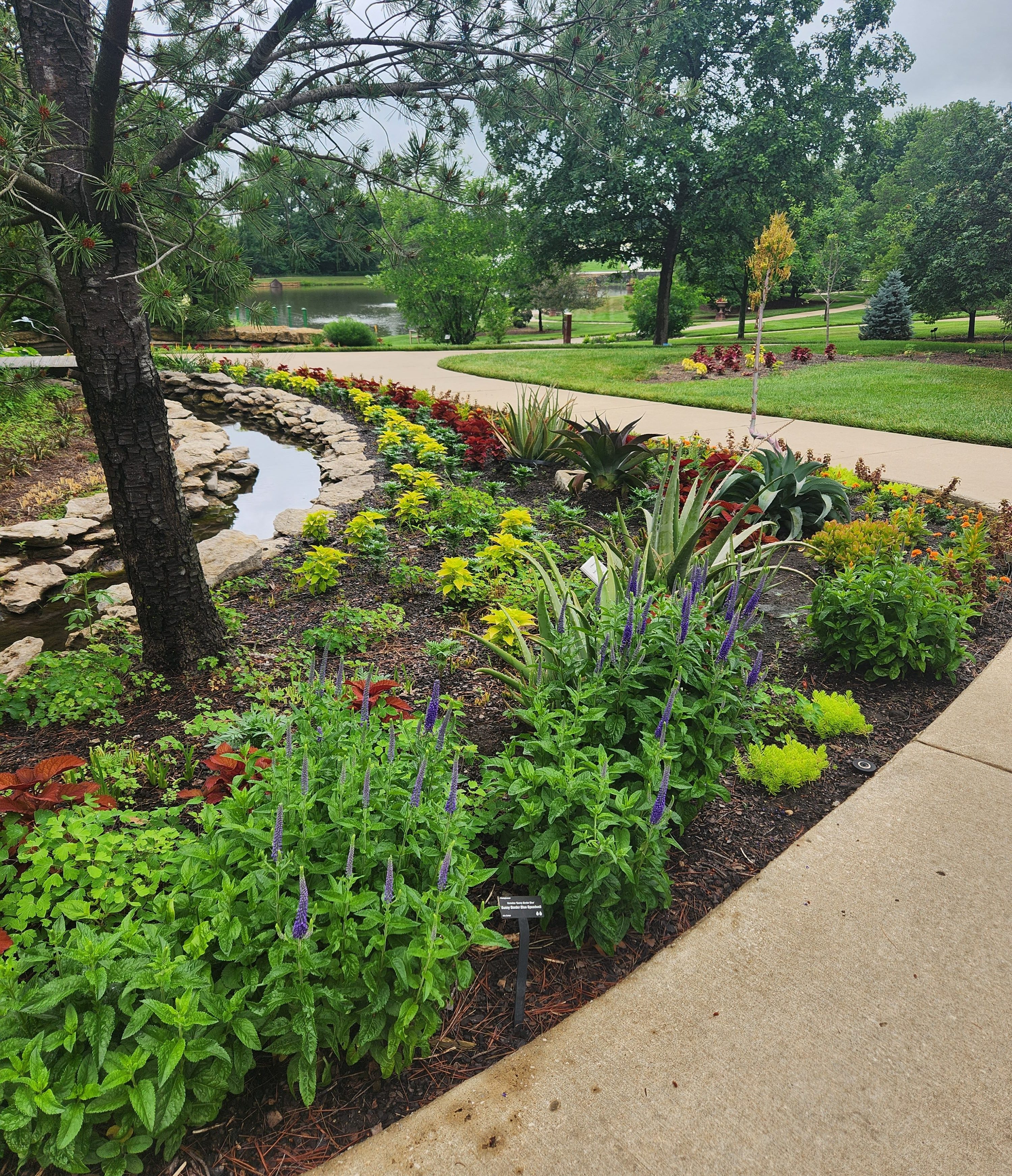
In North Florida, winters from December through February are typically mild, offering residents the chance to cultivate cool-season vegetables, hardy ornamentals, and lush greenery that brighten homes even in the colder months. These gardens are more than decoration; they are living investments in beauty, wellness, and community pride.
Yet, the increasing instability of seasonal patterns has thrown gardeners off balance. Sudden frosts, unexpected heat spikes, and shifting rhythms test both resilience and creativity. What once felt like a predictable cycle now requires constant vigilance, as climate change reshapes the very environment in which these gardens grow. For North Florida residents, tending a garden is not just about nurturing plants, it’s about nurturing joy, identity, and a connection to place, even as the climate itself becomes more uncertain.
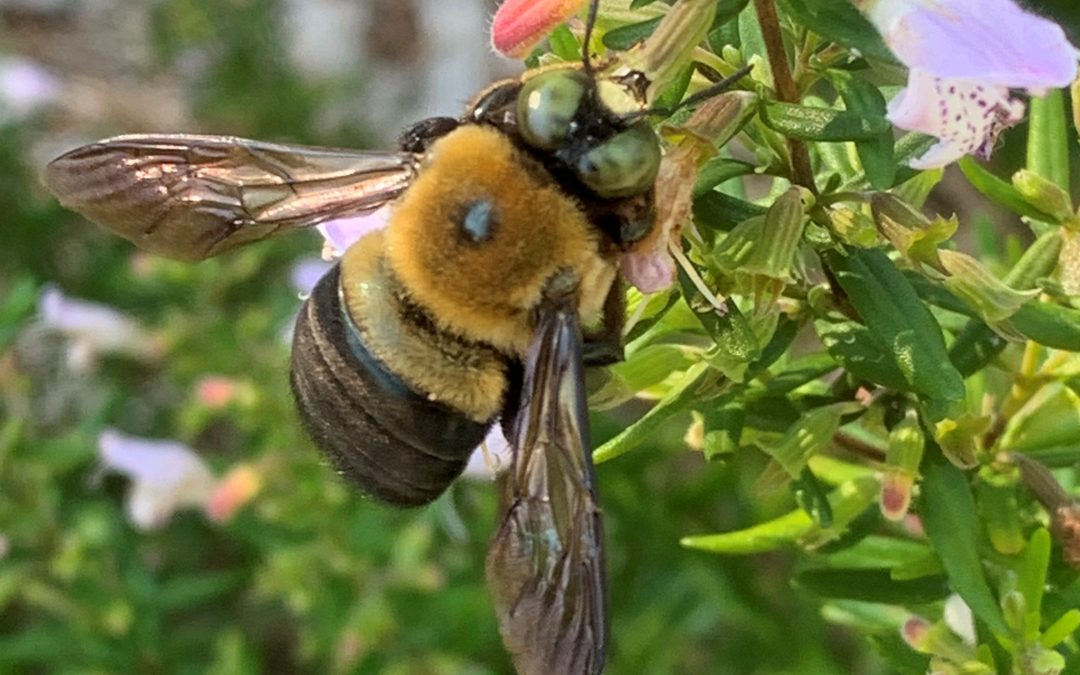
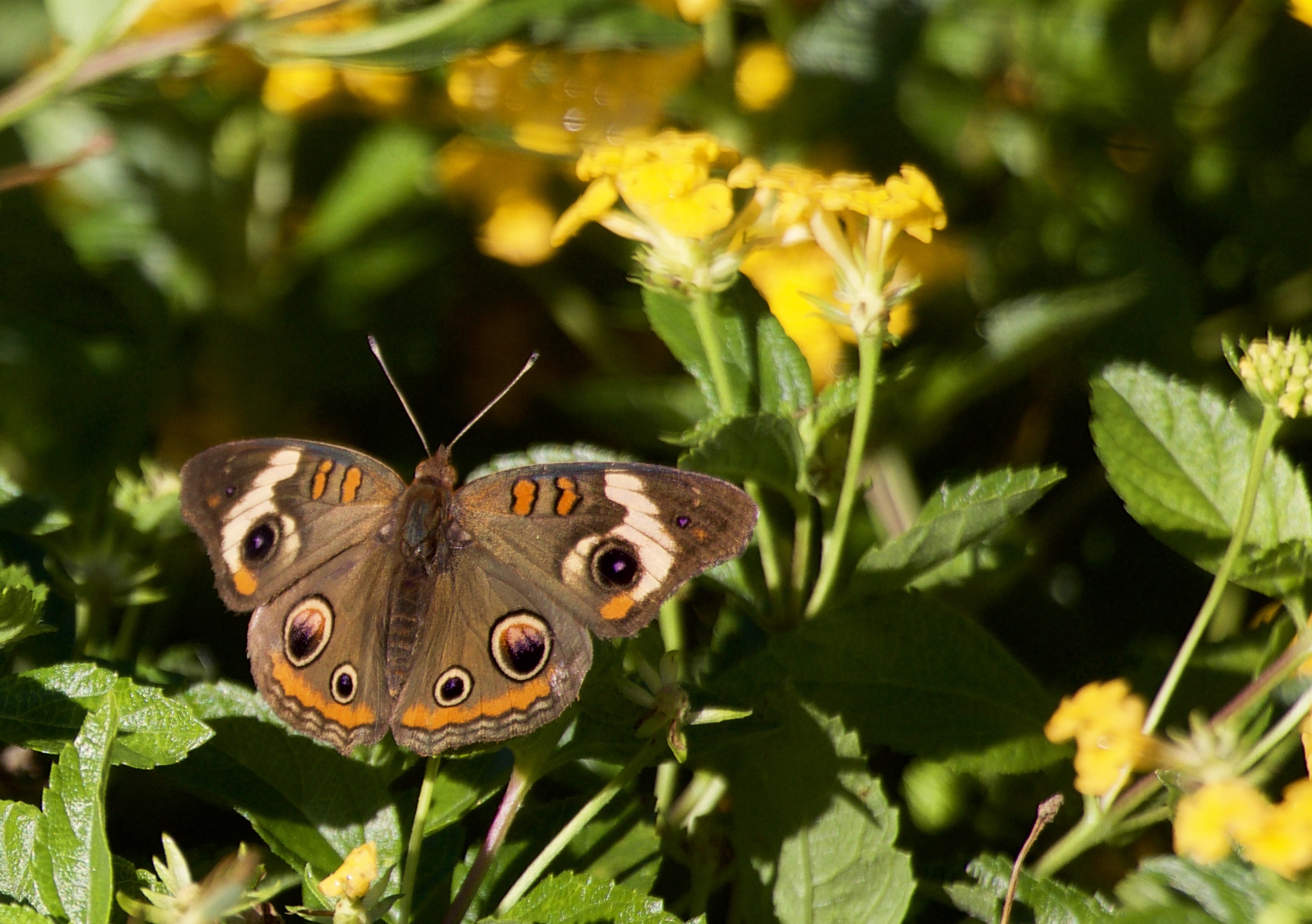
Photo credit: Donna Arnold,FAMU Extension.
The Growing Challenge of Climate Change
In recent years, gardeners have faced out-of-season frosts that damage cold-sensitive plants such as citrus, hibiscus, and tropical ornamentals. Unlike commercial growers with greenhouses, most homeowners lack protective infrastructure, leaving their landscapes exposed. The financial loss of damaged plantings can be significant, but the emotional toll of watching cherished gardens succumb to sudden freezes is equally profound.
Climate change intensifies these challenges. Stronger cold fronts and occasional winter heat spikes disrupt plant growth, weakening resilience and reducing vitality. Homeowners often resort to improvised measures, blankets, plastic sheeting, or makeshift covers, that provide only temporary protection. Without specialized forecasting tools, residents rely on local news or apps, which may overlook microclimate variations across neighborhoods.
Weather vs. Climate: Why It Matters
It’s important to distinguish between weather and climate.
Weather refers to the day-to-day conditions, temperature, rainfall, humidity, and more, that we experience locally.
Climate is the long-term average of these conditions, measured over seasons, years, or even decades, across regions or globally.
Florida, for example, has a wet season and a dry season, but rainfall within those periods can vary greatly from day to day. While climate patterns help us anticipate seasonal trends, the unpredictability of weather events, like sudden frosts or heat spikes, creates challenges for gardeners. Understanding this distinction helps residents prepare for short-term weather swings while adapting to long-term climate shifts.
Adapting for Resilience
Climate change is no longer a distant concept; it’s a daily reality for North Florida gardeners. To adapt, communities must embrace:
Education programs on cold protection and plant selection.
Affordable protective solutions like frost cloths and portable covers.
Resilient landscaping strategies, including native plants better suited to fluctuating conditions.
It started with a quiet day, and a curious bag of sand brought into the extension office but inside was more than just sand. It was crawling with tawny crazy ants (Nylanderia fulva), one of Florida’s fastest-spreading invasive pests. Known for their erratic movement and massive colonies that can make the ground seem alive, these reddish-brown ants are now a growing concern for gardeners across some Florida counties. Unlike fire ants, tawny crazy ants don’t sting, but they can nip with their chewing mouthparts. Their sheer numbers can overwhelm outdoor spaces, crawling on people and spoiling the enjoyment of patios, gardens, and recreational areas. They nest in moist, protected areas such as leaf litter, potted plants, and under debris, often forming sprawling colonies with multiple queens.
Beyond being a nuisance, these ants pose serious risks. They’ve been known to cause electrical shortages by infiltrating equipment, sometimes leading to costly damage. In some Caribbean islands, they’ve harmed organic crops, and in Colombia, infestations have even led to the death of small animals due to asphyxiation. Larger animals have been attacked around sensitive areas like the eyes and hooves. Tawny crazy ants also disrupt local ecosystems. Their aggressive spread displaces native ant species and reduces biodiversity. While Florida hasn’t reported agricultural damage yet, the potential remains, especially in organic farming systems.
Identification Tips
Workers are small (less than 1/8 inch), monomorphic, and covered in fine hairs that give them a matte appearance. They have one petiole segment and 12 antennal segments, including a long first segment called the scape. Colonies don’t form mounds but may tunnel in sandy soil. Queens are often found among workers, especially in warmer months. If you suspect an infestation, contact your local UF/IFAS Extension office.
Management Challenges
Controlling tawny crazy ants is notoriously difficult. Spraying alone is ineffective, and most insecticides only work for a few days before ants’ return. Integrated Pest Management (IPM) is the recommended approach. IPM combines multiple tactics, starting with accurate identification and monitoring, followed by strategic product application and habitat modification. Professional pest control services that specialize in IPM are often necessary. Timing is critical, and overuse of products is not only ineffective but may violate legal limits. Keep records of infestation locations to anticipate reinvasion, which typically occurs annually. While complete eradication is unlikely in established areas, population suppression is achievable. Interestingly, research suggests that within about a decade, populations may naturally decline, allowing native species to rebound.
Tawny crazy ants are more than just a backyard annoyance they are a complex ecological and household threat. Awareness, early identification, and professional management are key to minimizing their impact. As these ants continue to spread, staying informed and proactive will help protect your property and Florida’s delicate ecosystems.
For more information call or visit your local extension office or follow the link below.
The Great Southeast Pollinator Census began in Georgia in 2019 with the goals of increased pollinator habitat, teaching the public the importance of insects, and providing useful data to researchers. 2024 is the first year for Florida to be included and we want to support this project with strong participation. View the webinar from the Northwest District Horticulture Team that teaches how to identify pollinators as well as how to collect and submit data for the 2024 Great Southeast Pollinator Census.
Caring for African Violets: A Guide for Enthusiasts
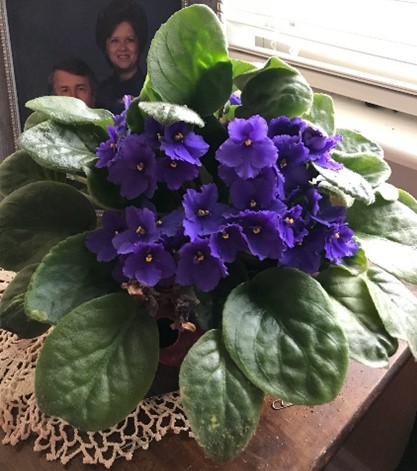
Photo Credit: Martha Mitchell.
African violets (Saintpaulia ionantha) are beloved houseplants known for their vibrant blooms and ease of growth indoors. Since their introduction to the United States, they have become favorites among plant enthusiasts for their adaptability and stunning flowers, making them staples in homes and offices. African violets thrive in bright, indirect light and moderate temperatures, and they come in various flower colors, including pink, purple, white, and combinations of these hues. Here’s how to ensure your African violets thrive with proper watering, fertilizing, and propagation.
Watering
The quality of water is crucial for African violets. Use water that is safe for drinking, making sure it is at room temperature or slightly warmer to avoid causing yellow spots on the leaves. The watering needs of African violets vary based on soil mixture, drainage, light, temperature, and humidity. For example, clay pots require more frequent watering than plastic pots due to higher evaporation rates. Water your African violets when the soil surface is dry to the touch or if wilting is noticeable.
There are two methods to water African violets: top watering and bottom watering. For top watering, apply enough water to saturate the soil and discard any excess that drains out. For bottom watering, place the pot in a container with about an inch of water. Once the soil surface becomes moist, remove the pot, let it drain, and discard any remaining water. Self-watering pots are also an option, and you can create one by making a “water wick” from a material like a braided nylon stocking. Insert the wick into one of the pot’s drainage holes and ensure it reaches the bottom of a water reservoir. Whether you water from the top or bottom, avoid letting the plant sit in water.
Fertilizing
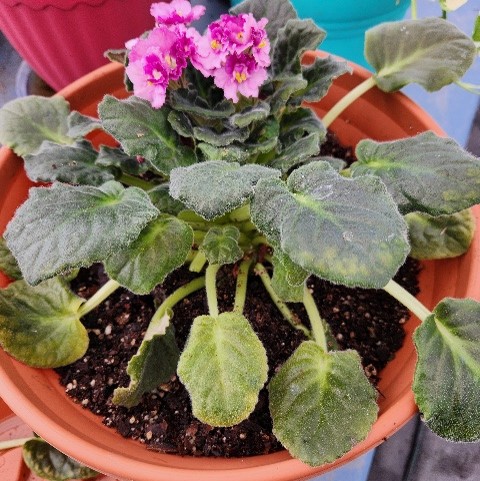
African violets benefit from regular feeding with water-soluble fertilizers like 20-20-20 or 15-30-15. Mix the fertilizer at one-fourth the recommended rate and apply it every time you water, ensuring the soil is moist before application. If your plant shows signs of needing nutrients, such as gradual loss of leaf color, reduced growth, and fewer flowers, fertilize and observe for ten days. Be careful not to over-fertilize, as this can result in tight centers and rusty-appearing new leaves.
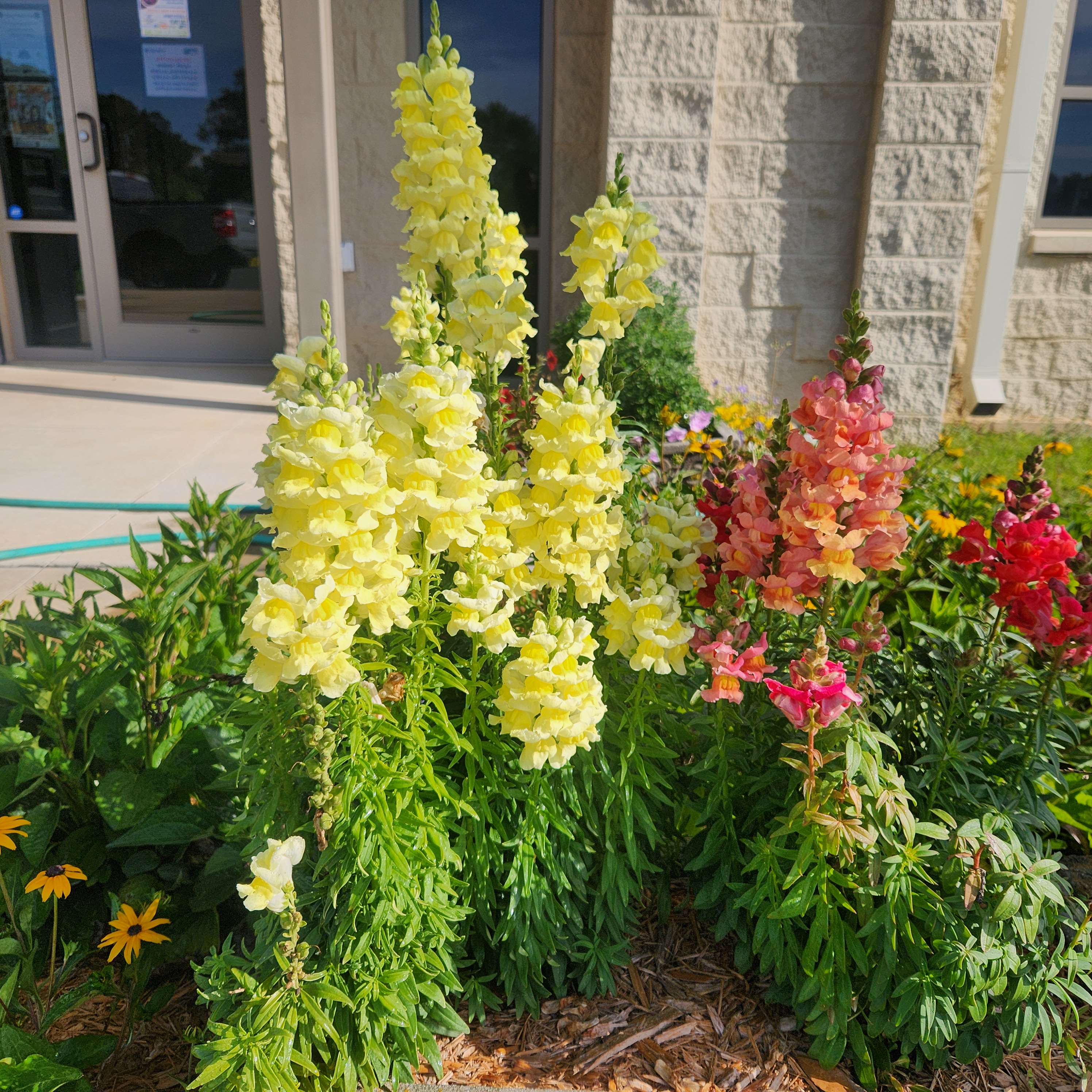
Photo credit: Donna Arnold, FAMU Extension.
Propagation
Propagating African violets is simple and can be done using leaf cuttings. Choose a healthy leaf from the middle of the plant, snap or cut it off, and trim the petiole (leaf stem) to about 1–1.5 inches. Insert the petiole into a propagation medium. Roots typically form at the petiole base within three to four weeks, new leaves appear three to four weeks and flowering occurs six to nine months later.
Additional Tips
When purchasing an African violet, it usually adapts well to its container for a while. Although these plants prefer a crowded environment, repotting them annually into lightweight potting media is advisable.
Maintaining sanitation is essential to prevent diseases. Ensure all pots, tools, and materials are clean before use. With proper care and attention, African violets can flourish, bringing beauty and joy to any indoor space. By following these guidelines on watering, fertilizing, and propagating, you can enjoy healthy and vibrant African violets in your home. for more information, contact your local Extension Office or click on the links below:
I don’t know if you’ve noticed, but it’s been hot outside. Like really, scorching, hellacious, dog days hot. In this weather pattern we’ve been in, it’s hard to make yourself do non-essential stuff outside that doesn’t involve swimming and so our gardens go by the wayside. In my opinion, that’s totally okay! Give yourself a rest from the garden and landscape chores for the next couple of weeks and get your fall gameplan ready. The following are some things to think about over the next few weeks to prepare yourself for the coming cooler weather!
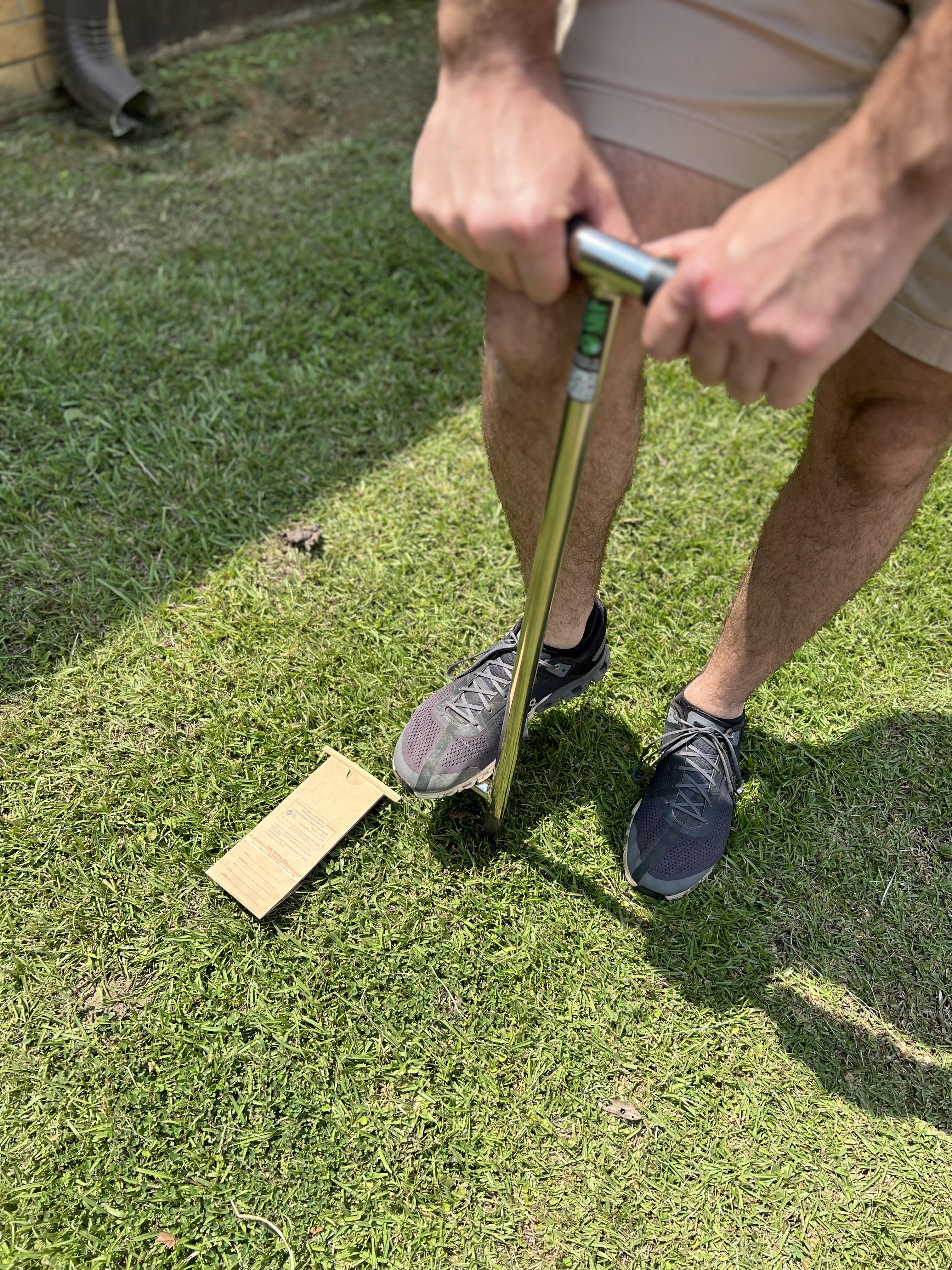
Soil testing in centipedegrass. Photo courtesy of Daniel Leonard.
Get your soil tested. If you’re an in-ground vegetable gardener or just like to have an attractive lawn/landscape, performing a simple soil test can offer either peace of mind that your soil’s pH and fertility is good or give you a nudge to schedule some needed amendments. Though I don’t recommend fertilizing lawn grass this late and there’s no need to fertilize the garden before it gets planted in mid-late September, you can certainly begin to source and price fertilizer for the appropriate time based on your test results. However, now IS the perfect time to get lime out in a vegetable garden if your pH has sunk beneath the recommended 6.5. Lime takes weeks to months to begin to alter soil chemistry so the sooner the better if it is needed!
Order seeds. While I love to support local farm stores and plant nurseries, you are limited with the vegetable and flower varieties you can plant by what they have in stock. I enjoy trying new/improved and heirloom plant varieties each year and, most of the time, these can only be found by ordering online. For the latest in vegetable and cut flower varieties with a nice mix of heirloom cultivars thrown in also, I can recommend Johnny’s Selected Seeds, Baker Creek Heirloom Seeds, Seed Savers Exchange, and other similar purveyors – all of these are great places to look. Continue to purchase your more common standbys through local outlets but, this year get different and try new things by ordering online!
Develop a garden/landscape plan. I doubt there’s a gardener amongst us who wouldn’t like to rearrange things a bit outside. Maybe you planted your lettuce a little too closely together last year, you’ve been dreaming of installing a new flower bed, or you really want to do a full garden/landscape renovation. The best way to be successful at any of these things is to get outside (or at least look out from behind a window in the A/C), take stock of what is already there, the space that is or might be available, research what plants or varieties might do well in your yard/garden (your local UF/IFAS Extension office is a great resource for this), and begin to sketch your ideas out. This planning step WILL save you time and money by ensuring you don’t purchase too many plants, by picking plants that will do well, and ensuring you install everything at the correct time.
So, take advantage of the heat, stay inside, and work up your garden gameplan together this August – fall is just around the corner. For help with soil testing, recommendations on plant varieties to purchase, or working up a garden/landscape plan tailored to you, contact your local UF/IFAS County Extension Office. Stay cool and happy gardening!
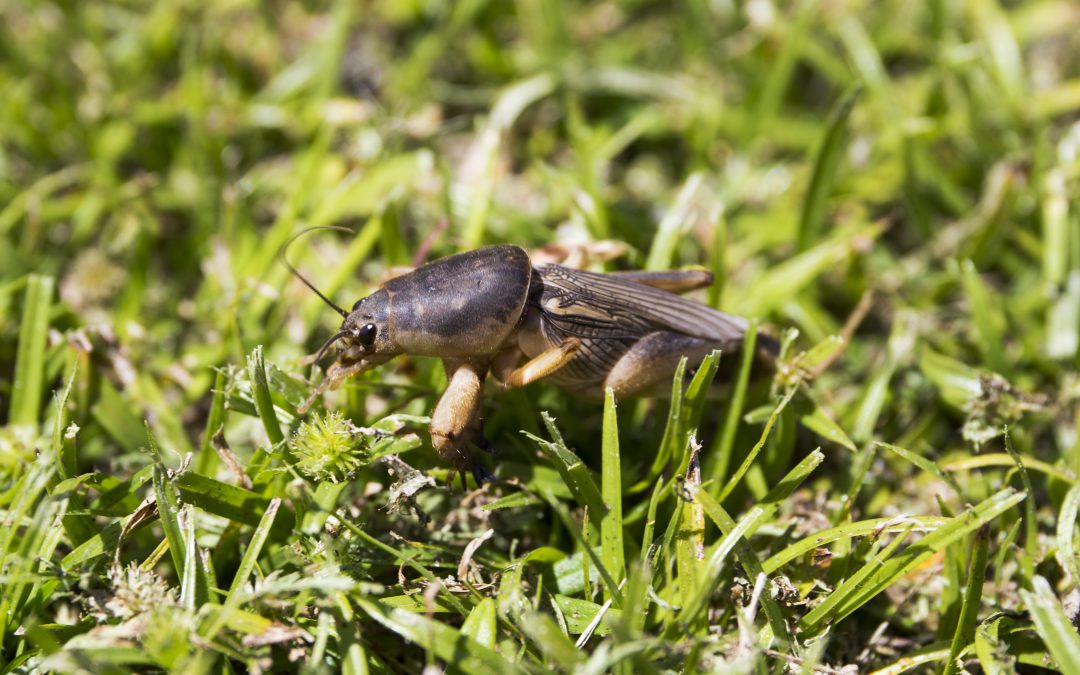
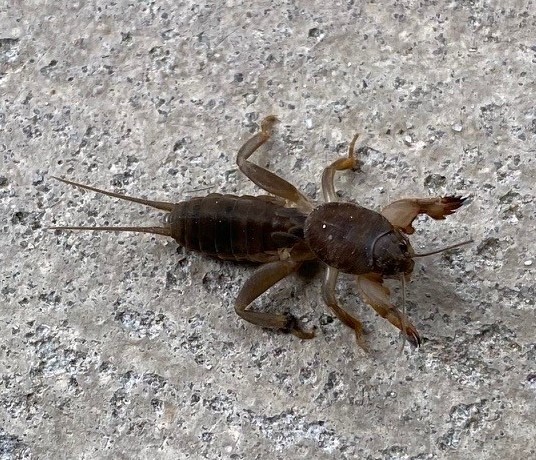
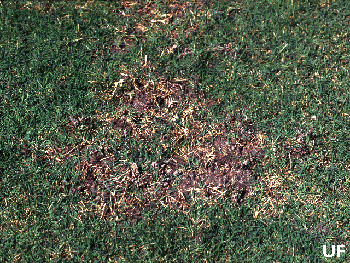
A mole cricket has a face only a mother could love. They are so strange looking, in fact, that in the past week I’ve had two people ask me what they were. They have large, round, helmet-like heads, undersized eyes, and massive front claws used for digging. Unlike your garden-variety crickets, which really don’t cause any major damage to home landscapes, the mole cricket is quite the turfgrass menace. Instead of hopping about aboveground, they tunnel beneath the lawn and feast on the roots and leaves of grass, often destroying entire yards. They are also vegetable pests, going after tomatoes, cabbage, and peppers.
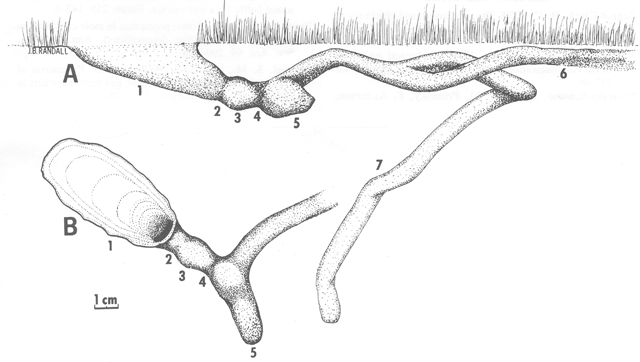
A young mole cricket. Its round head and large front claws distinguish it from other cricket species. Photo credit: Lucy Adams StevensonA) Horizontal and B) vertical view of a generalized tawny mole cricket burrow showing 1) horn, 2) 1st constriction, 3) bulb, 4) 2nd constriction, 5) turn-around, 6) surface tunnel, and 7) deep tunnel. Figure 1 from Nickerson et al. 1979. Ann. Entomol. Soc. Am. 72(3):438-440.
Mole crickets spend most of their time below ground and form burrows for hiding, laying eggs, and traversing through their territory. In mating season, males create a monotone song that averages 88 decibels—as loud as a motorcycle! The call comes from their burrows, which have funnel-like openings that expand at the surface, creating amplification comparable to a horn.
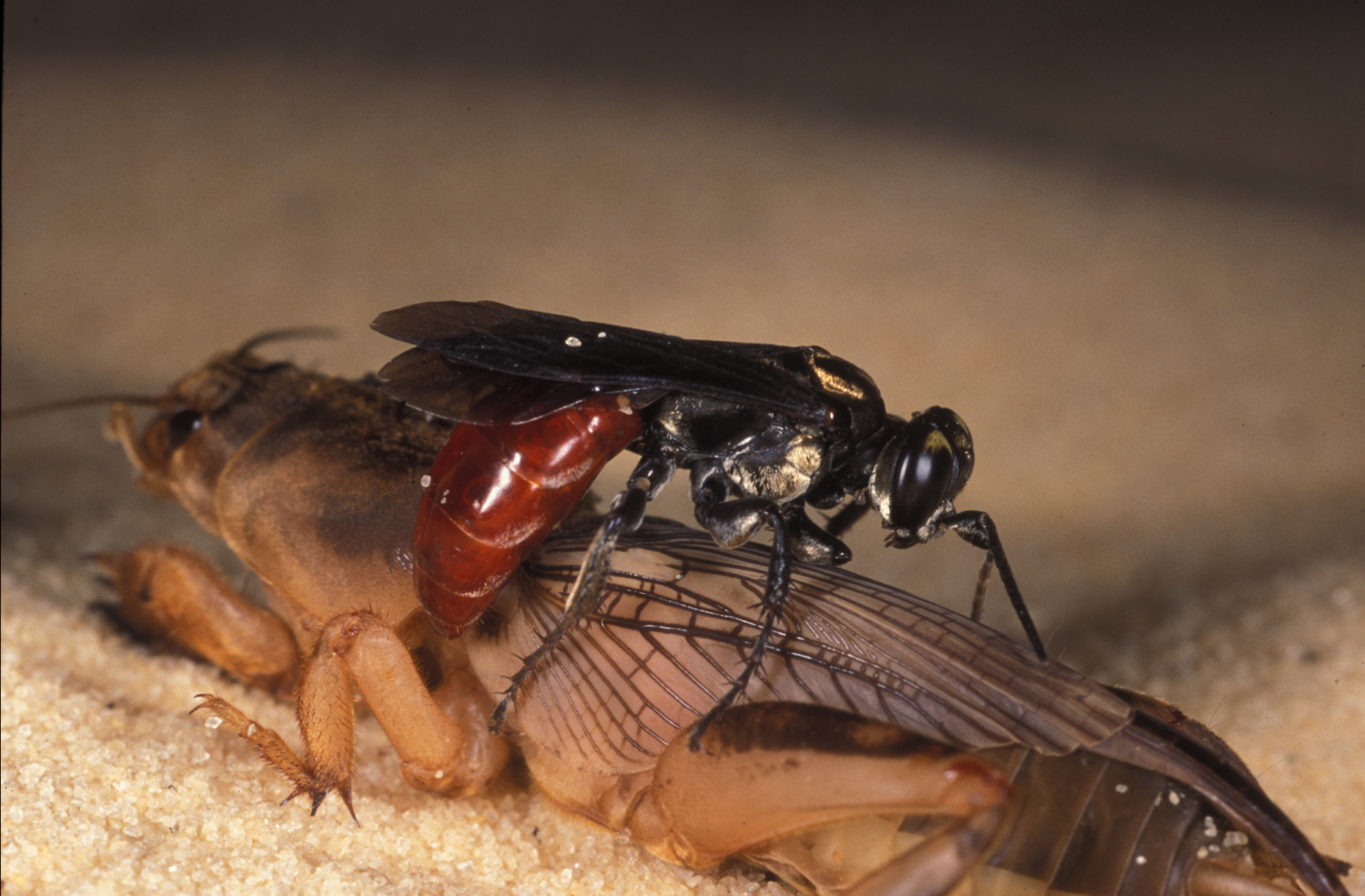
Beneficial larra wasp parasitizing a tawny mole cricket. Photo credit: UF IFAS
The tawny mole cricket (Neoscapteriscus vicinus) is the most common to our area and is an invasive species from South America. UF IFAS has had a specific research program related to mole cricket management since the late 1970’s. One successful outcome of this program has been the introduction of a biological control species, the larra wasp (Larra bicolor). The wasp manages mole cricket populations by stinging and temporarily paralyzing crickets. A female will then deposit an egg into the mole cricket’s body. The cricket recovers and goes about its daily routine until the egg hatches, at which point the larval wasp feeds on and eventually kills the mole cricket. Along with the wasp and release of flies and a nematode that also manage mole crickets, the biocontrol methods introduced between the 1980’s and 2004 have resulted in a 95% reduction in mole cricket populations in north Florida.
If you are seeing mole crickets, you can attract larra wasps to your property by planting shrubby false buttonweed or partridge pea plants, which the wasps feed on. If you have serious damage from mole crickets, check out this thorough Mole Cricket Integrated Pest Management Guide, or contact the horticulture agent at your local county extension office to get a site-specific recommendation for management.